Malaysia is moving to strengthen support for witnesses exiting its protection programme through the Witness Protection (Amendment) Bill 2026, which introduces a one-time assistance package to help participants transition to independent life after the Attorney General terminates their protection status. The upper house formally proceeded with the second reading of the Bill on July 22, following its passage in the lower chamber on July 14, signalling growing recognition that witnesses who testify in serious criminal matters deserve structured support even after their formal protection concludes.
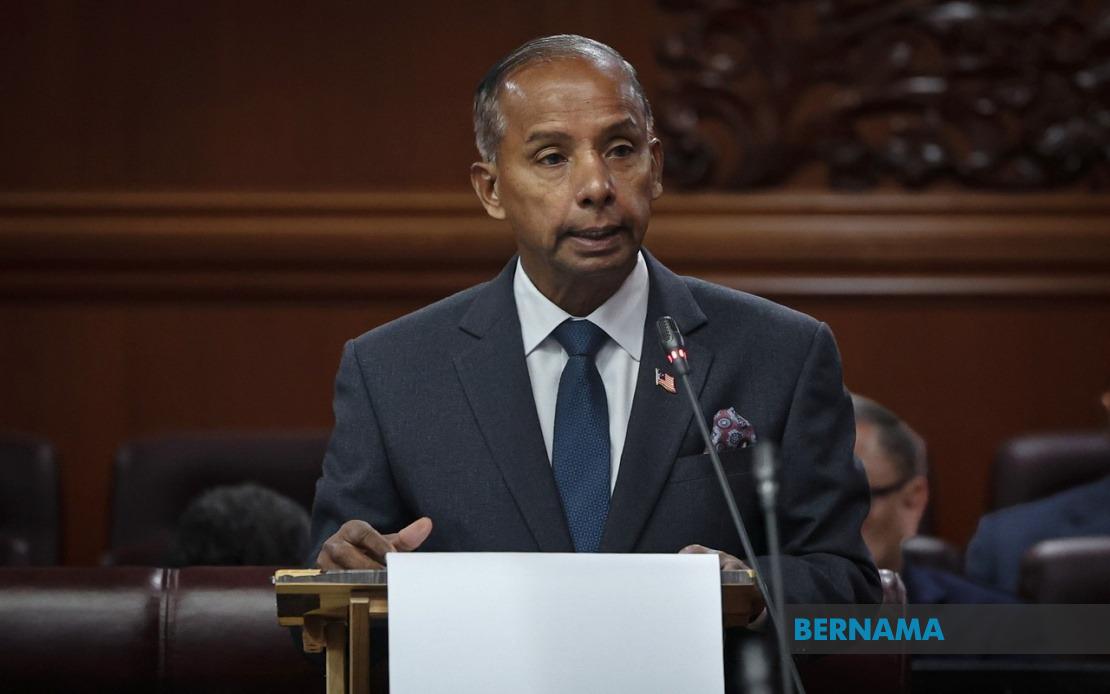
Deputy Minister M. Kulasegaran, overseeing law and institutional reform matters in the Prime Minister's Department, outlined how the proposed assistance framework would function in practice. The scheme encompasses financial aid specifically designated for housing arrangements, transportation expenses incurred when relocating from a protection shelter to permanent accommodation, and administrative support for transferring children to new schools. Such provisions reflect acknowledgment that exiting the programme creates genuine practical hardship for individuals who have often lived under assumed identities and in isolation from their former communities.
The current Witness Protection Act 2009 creates what legal analysts describe as a critical vulnerability in Malaysia's approach to witness safety. Whilst the existing legislation ensures comprehensive protection and material support whilst a person remains enrolled in the programme, it contains no formal mechanism to assist participants after the Attorney General determines their protection is no longer necessary. This means witnesses who have sacrificed normal lives, employment prospects, and community ties to provide testimony in high-stakes cases suddenly face complete withdrawal of state support upon programme exit, potentially creating incentives for witnesses to remain dependent on protection longer than genuinely required.
The amendment addresses this structural gap by empowering the director-general of the Protection Division within the Prime Minister's Department to assess participant circumstances and authorise appropriate exit assistance. Rather than establishing a permanent income support system, which officials emphasise would create unsustainable long-term obligations, the framework provides a single, carefully calculated grant designed to bridge the immediate post-exit period. This transitional model acknowledges that witnesses need time to rebuild employment, secure housing, and stabilise their family situations without creating perpetual welfare dependency.
For Malaysia's criminal justice system, the enhancement carries significant implications beyond individual witness welfare. Serious criminal prosecutions, particularly those involving organised crime, corruption, and high-profile cases, frequently depend on insider testimony that can only be obtained when witnesses receive credible assurances of comprehensive safety. Prosecutors have long struggled with witness reluctance to cooperate with investigations when the price is permanent separation from family, employment, and identity. By extending protection philosophy to include structured reintegration support, the amendment removes one practical disincentive to cooperation, potentially improving prosecution success rates in complex cases that require witness testimony to succeed.
The legislative package contains six distinct measures aimed at systematically improving the witness protection ecosystem. Beyond exit assistance, the amendments strengthen the director-general's authority to provide necessary and reasonable protection measures tailored to individual circumstances, rather than applying one-size-fits-all protocols. This flexibility proves essential given the diverse profiles of protected witnesses, ranging from organised crime defectors to corruption whistleblowers to intimidated victims of serious offences. Each category faces different threat profiles and reintegration challenges requiring customised approaches.
Regional context matters here. Across Southeast Asia, witness protection systems remain comparatively underdeveloped, with many jurisdictions lacking formal frameworks entirely. Malaysia's incremental approach—initially establishing foundational protection structures, then gradually expanding to address implementation challenges—models how emerging democracies can strengthen rule of law institutions through measured legislative evolution. The amendment demonstrates responsiveness to practical experience accumulated over the 15 years the current Act has operated, suggesting ongoing refinement rather than fundamental overhaul.
For Malaysian civil society organisations focused on justice reform, the Bill represents progress on an often-overlooked dimension of the justice system. Witness safety directly correlates with prosecutorial capacity to hold powerful actors accountable for corruption and serious crime. When witnesses face genuine risks of harm or destitution, entire investigation and prosecution chains become vulnerable to collapse. The government's willingness to incrementally expand the witness protection framework suggests recognition that accountability mechanisms require comprehensive infrastructure, not merely legal powers.
Implementation challenges will test the amendment's effectiveness. Calculating appropriate exit assistance levels requires careful actuarial work—too little renders support meaningless, whilst excessive packages create perverse incentives. The director-general's office must develop transparent criteria for determining assistance levels based on individual circumstances, protecting decisions from both arbitrary denial and unsustainable generosity. Additionally, coordination between the Protection Division and other government agencies proves essential when exit assistance involves school transfers or housing assistance programmes.
The amendment also raises questions about privacy and reintegration timing. Witnesses who receive substantial exit assistance become visible to government record systems in ways that could theoretically compromise the anonymity protection intended to persist after formal programme exit. Officials will need to implement robust security protocols ensuring that relocation or housing assistance funding cannot be traced back to individuals' protection status. Such administrative safeguards receive insufficient public attention despite their importance to witness security and psychological confidence in the system.
Looking forward, the legislation may prompt policy dialogue about how exit assistance integrates with broader employment support systems. Some protected witnesses possess specialised skills or credentials that became unusable under assumed identities. Requalification or professional credential recognition might form part of meaningful reintegration for certain participant categories, extending beyond the current financial and logistical focus. Future amendments might explore whether employment placement services, vocational retraining, or professional licensing accelerated pathways should complement exit assistance packages.
The Bill's advancement through parliament signals sustained political commitment to improving Malaysia's witness protection infrastructure. Effective witness protection ultimately serves not just individual witnesses but the broader public interest in transparent, accountable governance. By ensuring that witnesses who testify in serious cases experience both protection during proceedings and dignified reintegration afterwards, the amended legislation strengthens the foundation upon which Malaysia's justice system depends. The passage through both houses, without recorded opposition, suggests cross-party agreement on this institutional necessity.

