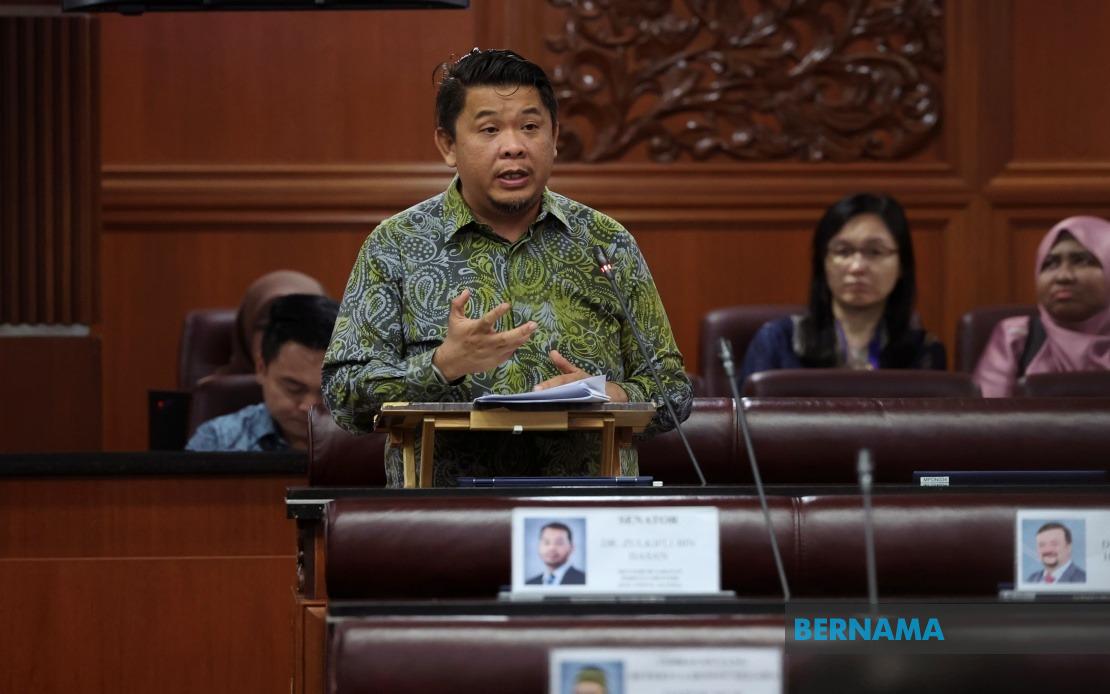
Malaysia has instructed the United Nations High Commissioner for Refugees to pause all new refugee registrations as the government implements a comprehensive overhaul of how displaced persons are documented and managed within the country. The directive, announced by Deputy Foreign Minister Datuk Lukanisman Awang Sauni during parliamentary proceedings on July 23, stems from a Cabinet decision designed to establish tighter governmental control over refugee data systems. The temporary freeze is intended to facilitate the rollout of the Refugee Registration Document (DPP) programme, which will centralise refugee information under direct state supervision rather than relying on external records maintained by international bodies.
The Malaysian government's stated rationale for this intervention centres on establishing more efficient administrative frameworks for population management. By transitioning away from existing UNHCR documentation systems, Kuala Lumpur aims to consolidate refugee registrations into a unified domestic database that enables coordinated monitoring across multiple government agencies. This approach would theoretically strengthen the government's capacity to track registered individuals, verify identities, and maintain regulatory oversight of refugee communities residing in Malaysia. The emphasis on governmental rather than international management reflects broader sovereignty concerns that have characterised Malaysia's approach to refugee affairs in recent years.
The decision carries particular significance given Malaysia's unique position within the global refugee framework. Unlike most developed nations and many developing countries, Malaysia remains deliberately outside the 1951 Refugee Convention, the international legal instrument that establishes comprehensive protections for displaced persons. This non-signatory status has long allowed Malaysia considerable latitude in determining its own refugee policies without being bound by international legal obligations. Officials have framed the management restructuring as a necessary step to prevent Malaysia from shouldering disproportionate burdens associated with hosting significant refugee populations while lacking formal international legal commitments.
The Rohingya population feature prominently in Malaysian policymaking discussions around refugee management, and the parliamentary question triggering Lukanisman's remarks specifically addressed the Rohingya situation. The Myanmar military's 2017 offensive against the Rohingya ethnic minority generated one of the world's most acute humanitarian crises, displacing hundreds of thousands into neighbouring Bangladesh and smaller numbers into Malaysia. Those who reached Malaysian shores often arrived without identity documents or recognition from Myanmar, creating complex administrative challenges for a government that views refugee populations as potential security and public order concerns. The DPP programme represents an attempt to systematise management of exactly such cases where individuals lack conventional documentation.
Registration procedures under the new DPP framework will reportedly involve extensive coordination between multiple Malaysian enforcement agencies, encompassing immigration authorities, security services, and other relevant bodies. Officials stress that this multi-agency approach will implement rigorous screening to distinguish genuinely eligible individuals from those attempting irregular entry. The emphasis on enforcement suggests that the government intends to use the restructuring as an opportunity to tighten border security and prevent what it characterises as abuse of refugee status claims by economic migrants. This hardening stance reflects rising political sensitivity around immigration issues across Malaysia, where public concerns about irregular migrants and labour trafficking have intensified considerably.
The announcement also referenced approximately 5,000 Myanmar nationals detained in Malaysian immigration facilities who are scheduled for repatriation as Myanmar's government demonstrates capacity to receive them. Transport arrangements utilising naval vessels would facilitate this process, contingent on completing necessary resolution procedures with Myanmar authorities. This element indicates that Malaysia's refugee policy restructuring extends beyond mere documentation systems to encompass active repatriation programmes. The scale of planned returns—involving thousands of individuals—underscores the government's determination to reduce the overall refugee population within Malaysian territory.
Malaysia's multilateral diplomatic engagement with Myanmar and other Association of Southeast Asian Nations members forms a complementary dimension of its refugee strategy. Rather than relying solely on bilateral agreements or unilateral policy measures, Malaysian officials are positioning their government as pursuing coordinated regional approaches to the Rohingya displacement crisis. This diplomatic framework potentially offers Myanmar incentives for accepting repatriation while allowing Malaysia to demonstrate to regional partners that it is pursuing collaborative solutions. However, concerns about returnee protection persist, particularly given Myanmar's ongoing internal instability and the documented targeting of Rohingya communities by military forces.
For Malaysian residents, the policy shift carries implications regarding national security perception and community relations. Authorities link stricter refugee management to broader public welfare concerns, suggesting that managing refugee populations directly protects citizens from potential adverse impacts. This framing resonates with constituencies worried about competition for employment, housing, and social services, though empirical research on refugee economic impacts often contradicts simplified narratives. The restructuring simultaneously addresses government concerns about verifying the identity and background of displaced persons within Malaysia's borders, reflecting post-2017 anxieties about security vulnerabilities that irregular migration might create.
The timing of this announcement reflects evolving regional attitudes toward refugee populations. Across Southeast Asia, governments increasingly favour restrictive policies that prioritise state sovereignty and security considerations over humanitarian considerations traditionally emphasised by international organisations. Malaysia's decision aligns with broader regional trends toward limiting refugee acceptance and accelerating repatriation programmes. This positioning may influence how other ASEAN members approach similar policy questions, potentially establishing precedent for more extensive state control over refugee documentation and management systems throughout the region.
The DPP programme represents a significant departure from previous arrangements where UNHCR maintained primary responsibility for refugee registration and documentation in Malaysia. Transferring this function to domestic authorities fundamentally restructures how refugee status itself is determined and managed within the country. International observers have expressed concern that removing UNHCR's independent oversight role might reduce protection standards or create barriers to legitimate asylum seekers accessing recognition. Malaysian officials counter that direct state management enables more efficient processing and prevents system manipulation, though critics question whether efficiency gains justify potential humanitarian costs.
Implementation of the new framework will require substantial institutional development, including staff training, database infrastructure, and inter-agency coordination mechanisms. The government has not publicly detailed timelines for transitioning existing registrations into the DPP system or estimated duration of the registration pause. This uncertainty creates practical challenges for displaced persons currently in Malaysia who may need documentation for accessing employment, education, or healthcare services. Humanitarian organisations have quietly expressed concerns about potential service disruptions affecting vulnerable populations during the transition period.
Looking ahead, Malaysia's refugee policy direction will likely continue prioritising state control and security considerations over international humanitarian frameworks. The DPP programme signals governmental commitment to managing refugee populations as primarily a state security and administrative matter rather than as an international humanitarian responsibility. Whether this approach enhances overall management efficiency or creates new challenges for displaced persons and Malaysian communities remains uncertain. The coming months will prove critical for assessing whether the restructuring delivers promised administrative improvements or generates unintended consequences that complicate Malaysia's humanitarian obligations.

