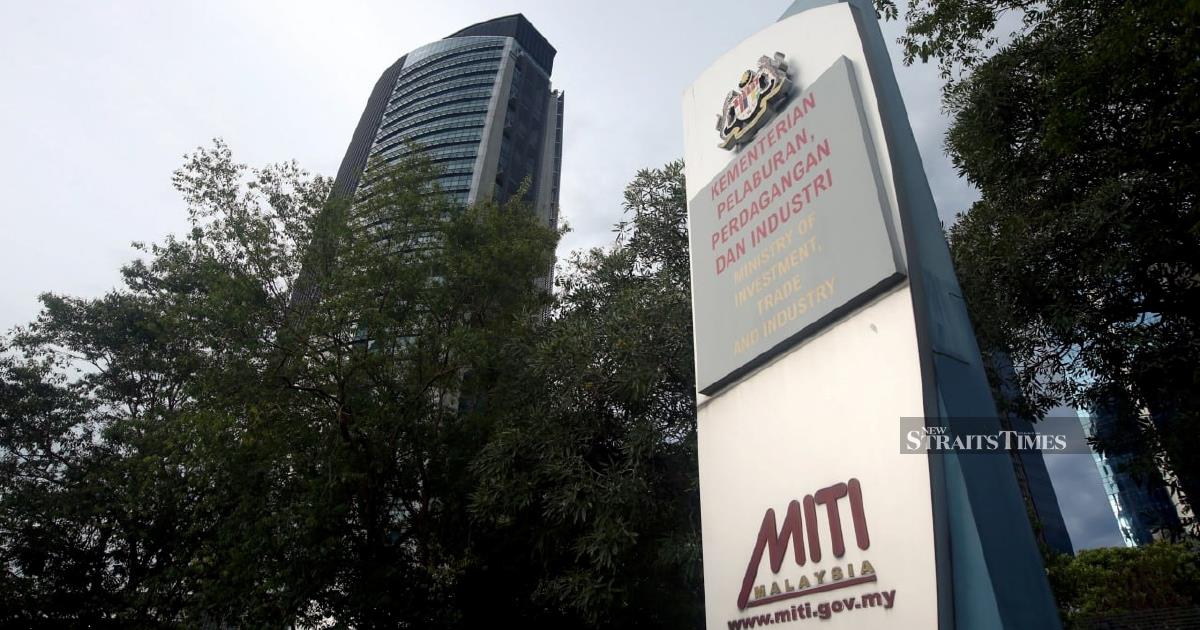
Malaysia's trade authorities have commenced a formal anti-dumping investigation targeting coated steel products arriving from three major suppliers in the region—China, Chinese Taipei and Vietnam—marking the latest chapter in the country's ongoing effort to shield its domestic steel sector from what it perceives as unfairly priced imports.
Running parallel to this new probe, Malaysia is simultaneously reviewing existing duties imposed on prepainted steel coil shipments originating from China and Vietnam. The dual-track approach signals heightened scrutiny of the regional steel trade landscape, where Malaysian manufacturers have repeatedly complained about import surges that they claim undercut local production and depress prices. The investigation and duty review represent an escalation in protectionist measures at a time when the region's steel industry is navigating volatile global commodity prices and shifting supply chains.
The timing of these actions reflects broader patterns across Southeast Asia, where countries have increasingly turned to trade defence mechanisms as traditional manufacturing bases face pressure from cheaper imports and structural overcapacity in global steel markets. Malaysia's move follows similar investigations and duty imposition cycles undertaken by Thailand, Indonesia and the Philippines in recent years, each attempting to defend domestic steelmakers from competitive pressures originating largely from East Asian producers with larger integrated mills and lower production costs.
Coated steel—which includes galvanised, colour-coated and other surface-treated variants—forms a critical input for Malaysian industries ranging from automotive manufacturing to construction and consumer appliances. Local producers have long contended that dumping on a significant scale has eroded their domestic market share and compressed profit margins. The anti-dumping mechanism, governed by the World Trade Organization framework that Malaysia observes, requires authorities to establish that imports are priced below normal value and that material injury has occurred to the domestic industry.
The investigation into coated steel will require Malaysian authorities to assess import pricing data, production costs and market conditions in the exporting countries, compare them with Malaysian pricing, and ultimately determine whether dumping has taken place. Such inquiries typically span six to twelve months, during which preliminary findings may trigger temporary duties aimed at preventing further price suppression while the full investigation proceeds. Chinese Taipei's inclusion is particularly noteworthy, given that the island's steel sector—dominated by giants like China Steel Corporation—has long been a focal point of regional trade disputes.
The concurrent expiry review of duties on prepainted steel coil is procedurally distinct but equally important for Malaysian manufacturers. Trade defence duties typically remain in effect for a defined period, usually five years, after which they automatically expire unless renewed following a sunset review. This mechanism exists to ensure that protective measures remain justified and are not maintained merely for protectionist habit. Malaysia's decision to review rather than allow these duties to lapse suggests the domestic industry continues to face challenges from Chinese and Vietnamese suppliers, or that policymakers fear renewed dumping if duties are lifted.
Vietnam has emerged over the past decade as a significant regional steel producer, particularly in flat-rolled products, leveraging relatively low labour costs and Chinese investment capital. Chinese suppliers, meanwhile, continue to exercise outsized influence on regional prices through their sheer production volume. Both countries have faced multiple anti-dumping investigations across the Association of Southeast Asian Nations, reflecting the competitive tensions these supply sources create in smaller regional markets.
For Malaysian stakeholders, the implications are mixed. Domestic steelmakers will welcome the protective scrutiny, viewing it as recognition of genuine competitive pressures and unfair practices. However, manufacturers dependent on steel as an input—automotive suppliers, construction companies, appliance makers and packaging producers—may face higher input costs if duties are imposed or maintained, potentially raising consumer prices and reducing export competitiveness. The steel industry's significance to the Malaysian economy means these trade actions have economy-wide ripple effects.
Regional trade dynamics are also at play. Malaysia's actions occur within the context of ASEAN's commitment to regional integration through agreements like the ASEAN Trade in Goods Agreement, which theoretically restrict such protectionist measures. Yet the agreement contains safeguards and escape clauses that members regularly invoke, revealing the tension between regional integration rhetoric and national economic interests. Vietnam and China, as external trading partners, fall outside ASEAN frameworks and thus face fewer institutional constraints on Malaysia's defensive actions.
The investigation's outcomes will likely influence regional precedent, particularly for other ASEAN members considering similar measures. Should Malaysia impose substantial duties based on established dumping findings, it may embolden counterparts in Thailand or Indonesia to pursue parallel investigations, or conversely, trigger retaliatory responses from China and Vietnam that extend beyond steel into other sectors where Malaysian exporters maintain significant interests.
Going forward, these investigations underscore Malaysia's willingness to utilise trade defence tools to manage industrial adjustment, even as the country pursues broader economic opening through free trade agreements and supply chain integration. The outcome will signal whether Malaysia's trade policy genuinely protects domestic producers from predatory practices or increasingly reflects defensive protectionism in response to structural changes in regional manufacturing competitiveness.

