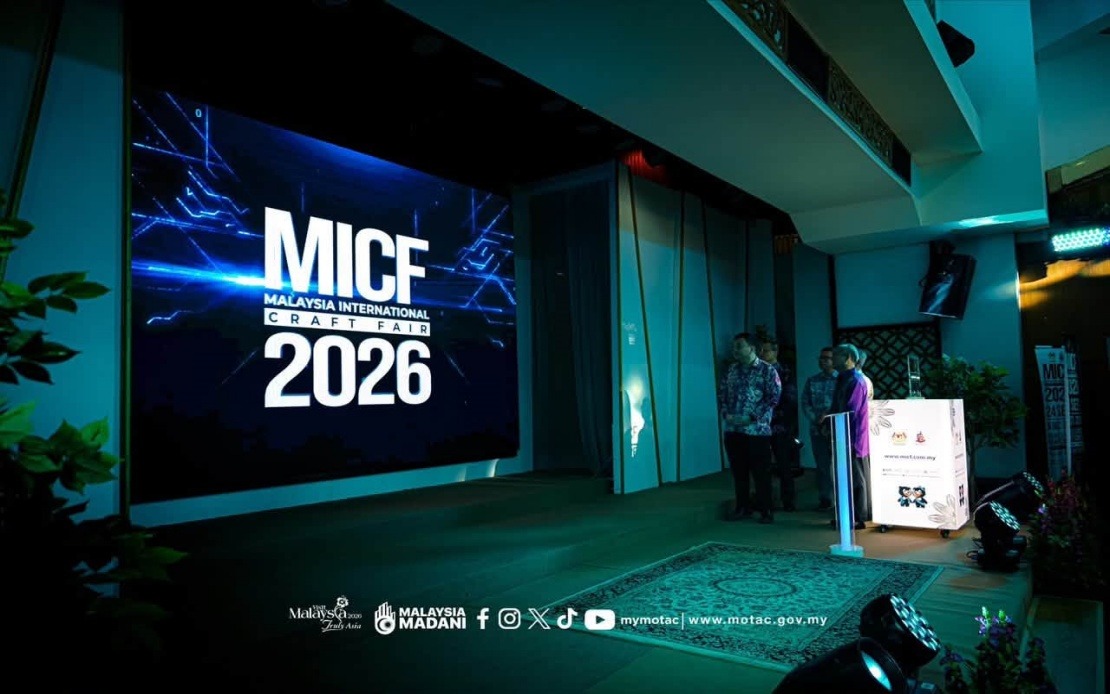
The Malaysia International Craft Fair (MICF) 2026 is preparing for its largest edition yet, planning to welcome 400 participating artisans to the Kuala Lumpur Craft Complex between September 24 and October 5. Of this contingent, 300 will represent Malaysian craft practitioners while 100 representatives will travel from more than 20 countries worldwide, signalling the event's growing international stature and appeal to the regional and global craft community.
Organised by Kraftangan Malaysia, the fair represents a strategic initiative to strengthen the craft sector's economic and cultural footprint. Beyond mere exhibition, the event aims to construct meaningful connections among craft practitioners, fostering collaborative opportunities and opening access to previously untapped international markets. This positioning reflects recognition that contemporary craft businesses require more than showcase space—they need structured networking platforms where relationships can translate into commercial partnerships and export opportunities.
The programme will feature live demonstrations from six countries, each presenting distinct regional traditions. China will present the intricate artistry of jade carving, while New Zealand brings Maori carving techniques. Uzbekistan will display jewellery art, Sri Lanka will showcase the delicate Beeralu lace work tradition, Indonesia will demonstrate leather art, and India will present Tarkashi brass inlay work. Alongside these international highlights, ten Malaysian craft masters and entrepreneurs will exhibit local techniques and artistic approaches, ensuring the fair maintains its foundational focus on domestic talent whilst contextualising Malaysian craftsmanship within broader global conversations.
This curatorial approach—pairing international demonstrations with domestic expertise—allows visitors to appreciate the remarkable diversity of techniques, materials, and artistic philosophies spanning continents. Rather than positioning Malaysian crafts in isolation, the structure enables direct visual comparison and dialogue between different traditions, enriching understanding of how geography, history, and cultural values shape artistic expression. For Malaysian artisans, observing how international peers approach market challenges and creative evolution provides invaluable perspective on adaptation and innovation.
The 12-day programme extends beyond craft demonstrations alone. MICF 2026 will incorporate comprehensive craft exhibitions exploring varied artistic expressions and experimental approaches alongside established forms. The International Craft Talk segment will facilitate knowledge exchange between practitioners and industry experts, addressing commercial, technical, and creative topics relevant to contemporary craft professionals. An International Fashion Showcase will highlight how traditional craftsmanship intersects with contemporary fashion design, a particularly relevant consideration in Southeast Asia's dynamic textile and fashion sectors.
Cultural performances will punctuate the festival, providing entertainment while celebrating the artistic traditions underpinning displayed crafts. Interactive activities will encourage visitor engagement beyond passive observation, potentially introducing younger audiences to craft disciplines and fostering appreciation for handmade goods in an era of mass production dominance. Strategic partners have facilitated traditional cooking demonstrations, recognising that culinary craft represents another dimension of artisanal practice worthy of celebration alongside visual and decorative arts.
Operating from 10 am to 10 pm throughout its 12-day run, the fair's extended hours accommodate diverse visitor schedules and maximise accessibility. This operational framework acknowledges that craft enthusiasts range from professional buyers and retailers to casual visitors exploring leisure activities, families seeking educational experiences, and international tourists discovering Malaysian cultural heritage. The comprehensive scheduling ensures working professionals can attend outside business hours whilst students and retirees can visit during daytime periods.
Deputy Minister of Tourism, Arts and Culture Chiew Choon Man officially launched the pre-promotional phase at the Kuala Lumpur Craft Complex, signalling government endorsement and support for the initiative. This ministerial involvement underscores official recognition that craft sectors contribute to cultural preservation, economic development, and tourism appeal. For Malaysia, positioning craft as a priority within arts and culture portfolios aligns with broader regional trends where countries increasingly recognise traditional and contemporary craftsmanship as economic drivers alongside cultural ambassadors.
The fair's significance extends beyond immediate commercial transactions. By gathering international and domestic practitioners, MICF 2026 contributes to ongoing conversations about craft's place in modern economies, where handmade goods compete against industrial alternatives. The event demonstrates that substantial audiences value authentic craftsmanship, regional artistic traditions, and the stories embedded in handcrafted objects. For Southeast Asian economies increasingly seeking differentiation in global markets, craft festivals like this validate cultural assets as competitive advantages.
The September-October timing positions the fair strategically within Malaysia's tourism calendar, capturing post-summer international travel and pre-festive season visitors. The Kuala Lumpur Craft Complex location provides an established venue with appropriate infrastructure and existing associations with Malaysian craft heritage, reinforcing the event's authenticity and cultural grounding. For regional artisans considering participation, the 400-participant scale offers accessibility—substantial enough to attract international buyers and media attention whilst remaining manageable for smaller practitioners and individual artisans.
For Malaysia's craft sector specifically, the fair presents opportunity to address international market access challenges, a persistent concern for small and medium-sized artisan businesses. Direct exposure to international buyers, alongside peer learning from experienced practitioners navigating global markets, can facilitate export expansion and collaborative production arrangements. Additionally, the event's public programming educates Malaysian audiences about their own cultural heritage, potentially increasing domestic demand for craft goods and supporting local livelihoods.
The MICF 2026 blueprint reflects evolving festival strategies that balance competitive exhibition elements with collaborative learning spaces, commercial opportunities with cultural celebration, and domestic focus with international engagement. As Southeast Asian nations increasingly invest in cultural economy initiatives, Malaysia's commitment to comprehensive craft programming positions it competitively within regional creative industries discourse, potentially influencing how neighbouring countries structure similar cultural enterprises.

