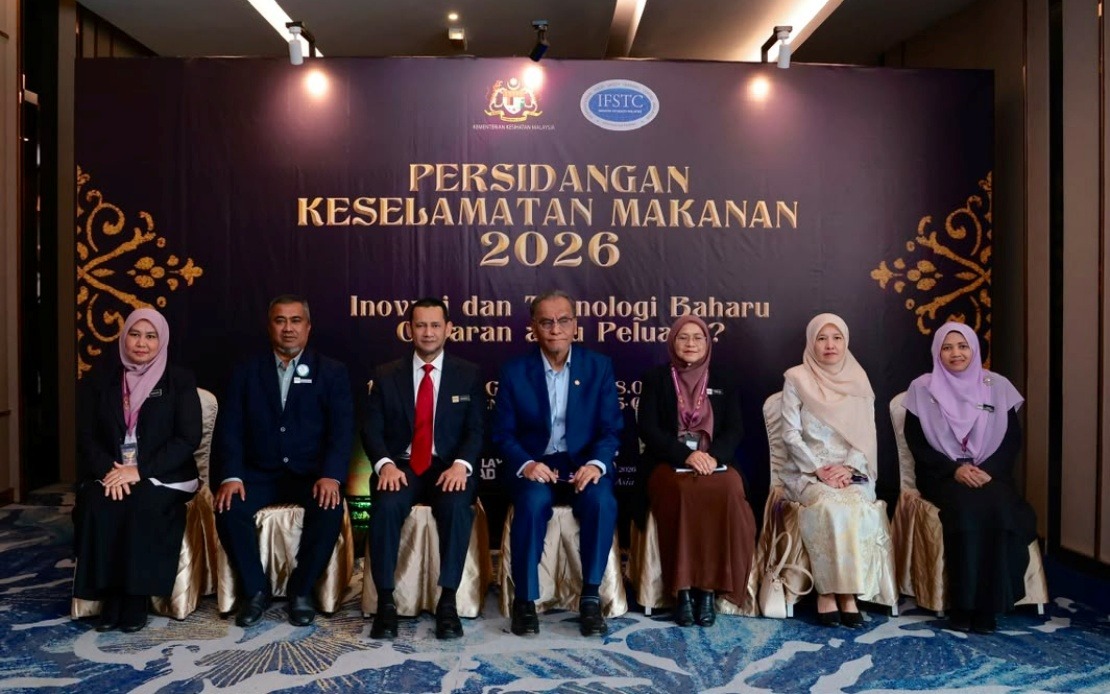
Malaysia has taken a significant step in regional food safety governance by formally joining the Asia-Pacific Food Regulatory Authority Summit (APFRAS), marking a strategic commitment to modernise how the country manages its increasingly complex food supply chains. Health Minister Datuk Seri Dr Dzulkefly Ahmad announced the development at a membership signing ceremony held in Putrajaya, which coincided with the opening of the 2026 Food Safety Conference. The Cabinet had approved this membership decision at its June 12 meeting, positioning Malaysia to play a more active role in shaping food regulatory standards across the Asia-Pacific region.
The move carries particular significance given Malaysia's evolving position as a regional hub for food trade and innovation. Dr Dzulkefly characterised the country's entry into APFRAS as consolidating Malaysia's standing as a "Smart Gatekeeper" within Southeast Asia and beyond. This designation reflects the government's ambition to leverage technology and strategic partnerships in safeguarding the food security of over 34 million Malaysians while maintaining the nation's reputation as a trusted source of food products for regional and global markets. The framework provided by APFRAS membership will enable Malaysian regulators to adopt harmonised standards with neighbouring countries, reducing friction in intra-regional trade whilst maintaining rigorous safety protocols.
Underlying this initiative is a stark reality confronting Malaysia's food policy landscape: the nation's dependence on imported food has surged dramatically over the past decade. Food imports climbed from RM42.6 billion in 2013 to RM78.9 billion in 2023, representing an 85 percent increase over the ten-year span. This trajectory reflects structural shifts in Malaysian agriculture, population growth, changing consumption patterns, and the rising purchasing power of middle-income households seeking diverse food products. The figures underscore an uncomfortable truth that Malaysia, despite its agricultural heritage, now relies on complex global supply chains to feed its population. These chains stretch across multiple continents and involve numerous intermediaries, each presenting potential points of vulnerability for contamination, fraud, or regulatory lapses.
The complexity of these supply networks has prompted the Health Ministry to embrace digital solutions as a cornerstone of its food safety strategy. Artificial intelligence and predictive analytics are being explored as tools to enhance monitoring capabilities at Malaysia's entry points, enabling authorities to identify risks more swiftly and allocate inspection resources more efficiently. Rather than relying solely on traditional sampling and testing protocols, which are resource-intensive and often reactive, AI-driven systems can analyse patterns in shipment data, supplier histories, and emerging disease outbreaks to flag shipments requiring enhanced scrutiny. For Malaysian consumers and businesses, this technological pivot promises faster clearance of legitimate goods whilst maintaining stringent protection against contaminated or fraudulent products.
Beyond immediate food safety concerns, Malaysia's APFRAS membership signals broader policy ambitions. The Health Ministry has committed to leading regional digitalisation efforts in food governance, suggesting that Malaysian expertise and standards may become blueprints for other Asia-Pacific nations. Additionally, the country aims to coordinate regional approaches to emerging regulatory challenges, including the standardisation of biodegradable packaging materials. As environmental consciousness grows among consumers and governments across the region, harmonising packaging regulations could streamline compliance for food manufacturers and exporters whilst advancing sustainability objectives. This alignment of safety, innovation, and environmental responsibility positions Malaysia as a forward-thinking participant in reshaping regional food systems.
The timing of Malaysia's APFRAS entry coincides with the convening of the 2026 Food Safety Conference in Putrajaya, which attracted over 300 participants from government agencies, industry, and academic institutions. The conference theme, "New Innovations and Technologies – Challenges or Opportunities?", reflects an underlying tension in modern food systems. Whilst innovations in processing, packaging, and supply chain management create efficiency gains and expand food availability, they also introduce novel risks and regulatory grey areas. Participants at the conference grappled with questions about how regulators can foster beneficial innovation whilst preventing exploitation of regulatory gaps.
Malaysia's approach, as articulated by Dr Dzulkefly, attempts to balance these competing imperatives by positioning the country as both a guardian of consumer safety and an enabler of responsible food innovation. The National Food Safety Policy and National Food Security Policy form the twin pillars of this strategy, with APFRAS membership serving as a crucial implementation tool. Food security—ensuring adequate, nutritious, and affordable food—requires not only safety but also efficiency, affordability, and accessibility. By joining APFRAS and adopting digital governance approaches, Malaysia signals its intention to pursue all these objectives in concert rather than treating safety and security as separate silos.
For Malaysian consumers and businesses, the implications are multifaceted. Manufacturers and exporters face mounting pressure to achieve compliance with not only domestic standards but increasingly with harmonised regional benchmarks set through forums like APFRAS. Smaller food producers, particularly those in traditional sectors, may struggle with the costs of digital integration and certification. However, those who successfully navigate the transition stand to benefit from simplified cross-border trade within the region and enhanced consumer confidence both domestically and internationally. Consumers, meanwhile, can expect more rigorous oversight of imported products, though this may also translate into higher food prices if compliance costs are passed along the supply chain.
The success of Malaysia's participation in APFRAS will hinge on the government's capacity to implement technological solutions at scale whilst maintaining the human expertise necessary for informed decision-making. Digital systems can identify suspicious patterns, but regulatory judgement remains essential in interpreting findings and responding appropriately. Moreover, APFRAS membership is only effective if other member nations adopt comparable standards and share data transparently. Regional cooperation in food safety has historically been uneven, with differing political priorities and resource constraints affecting implementation consistency across countries.
Looking forward, Malaysia's APFRAS membership represents a recognition that food safety in an interconnected region cannot be managed unilaterally. Pathogens, contaminants, and fraudulent products do not respect national borders. By institutionalising cooperation through APFRAS, Malaysia acknowledges that its own food security is inextricably linked to the governance practices of trading partners throughout Asia and the Pacific. This interdependence, whilst challenging, also creates opportunities for Malaysian regulators to shape regional standards in ways that reflect the country's values, capabilities, and consumer preferences. The effectiveness of this partnership over the coming years will offer important lessons for how Southeast Asia approaches collective governance challenges in an era of complex supply chains and emerging food safety threats.

