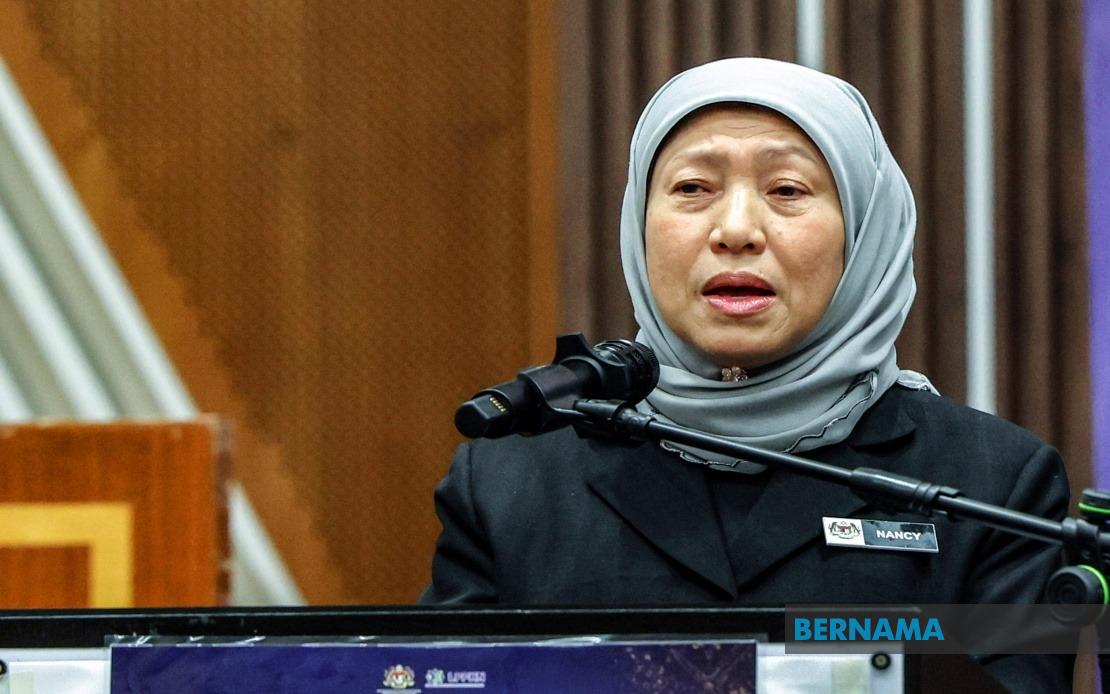
The Ministry of Women, Family and Community Development (KPWKM) is embarking on an ambitious research initiative this month that aims to reshape how Malaysia approaches men's development and social responsibility. Minister Datuk Seri Nancy Shukri announced the commencement of an 18-month study designed to undergird the government's National Gentleman Initiative, a forward-looking policy framework intended to cultivate men who demonstrate resilience, accountability and constructive participation in family life and broader nation-building efforts.
This initiative reflects a significant intellectual shift in how policymakers are conceptualising male empowerment. Rather than narrowing the focus to conventional markers such as employment and organisational leadership, the government's approach recognises that authentic empowerment encompasses emotional fortitude, psychological stability, personal maturity and the capacity to manage complex life responsibilities with integrity. The framework deliberately repositions masculinity away from domination and towards collaborative leadership—a gentleman, as Nancy described, is one who exercises wisdom, shares household and family burdens equitably, and acknowledges women as genuine equals in the partnership that builds resilient households.
The research phase will proceed through a Public-Private-People Partnership (4P) model, creating a structured mechanism for gathering empirical evidence, stakeholder testimonies and expert recommendations across business, civil society and community organisations. This consultative approach, unveiled at the Men's Empowerment Consultative Forum in Putrajaya, is designed to ensure that policy recommendations emerge from widespread engagement rather than top-down assumptions. The resulting insights will directly inform both legislative and programmatic interventions that KPWKM and allied agencies develop over the coming years.
Malaysia's decision to prioritise this research agenda is driven by compelling demographic and health data that expose genuine distress within the male population. The male suicide rate currently stands at nearly triple that of women—a statistic that, while not unique to Southeast Asia, represents a critical public health concern demanding urgent attention. The 2023 National Health and Morbidity Survey further demonstrates that depression affects 4.6 per cent of Malaysians aged 16 and above, yet men's particular vulnerability to suicidal ideation suggests underdiagnosis and undertreatment of mental health conditions among males.
Economic pressures constitute another dimension of the crisis that prompted this study. Household debt in Malaysia has reached 84.3 per cent of gross domestic product according to Bank Negara Malaysia—a burden that frequently falls disproportionately on male breadwinners navigating expectations to provide financially while managing their own economic vulnerability. This financial strain correlates directly with family instability; divorce filings climbed 4.1 per cent to 60,457 cases in 2024, with financial stress consistently identified as a primary precipitant of marital breakdown alongside failure to sustain maintenance obligations and prolonged domestic conflict.
Particularly troubling is the gender composition of domestic violence perpetrators. Royal Malaysia Police statistics reveal that 95 per cent of recorded domestic violence offenders between January and December 2025 were male, underscoring how unresolved male psychological distress and inadequate coping mechanisms frequently translate into family harm. This pattern illuminates a critical policy paradox: men require targeted empowerment and support mechanisms precisely because their struggles—when unaddressed—cascade into harm that destabilises families and communities. The National Gentleman Initiative therefore situates male well-being not as a competitor to women's advancement but as a complementary necessity within a holistic gender strategy.
The timing of this research investment carries particular significance for Malaysia's regional positioning. As Southeast Asian nations grapple with rising male mental health crises, family fragmentation and economic volatility, Malaysia's systematic effort to understand and address male disempowerment may generate transferable insights for neighbouring countries. ASEAN societies share comparable household debt burdens, comparable family law frameworks and comparable patriarchal inheritance patterns that shape male identity and role expectations, yet few governments have invested comparable resources into evidence-based male empowerment policy.
Minister Nancy's framing of the initiative through a gender-respect lens represents a deliberate rejection of zero-sum framings that position male and female advancement as competing interests. Instead, the National Gentleman Initiative conceptualises gender equity as mutually beneficial—men who embrace shared responsibility, emotional literacy and collaborative partnership contribute to household stability, improved childhood outcomes and reduced domestic violence. Conversely, men who lack psychological support, economic opportunity and constructive role models become liabilities to family and community.
The study's 18-month timeline will encompass comprehensive data gathering, thematic analysis and stakeholder consultation phases. Researchers will likely examine male experiences across sectors including employment, family formation, mental health service access, educational trajectories and civic participation. Understanding how men navigate these domains while internalising expectations of emotional stoicism, financial provision and authority will illuminate leverage points where policy and programme interventions can foster genuinely constructive masculinity.
Implementation of findings will demand coordination across multiple government agencies beyond KPWKM itself. Health agencies must expand male-friendly mental health services; education authorities must integrate emotional intelligence and relationship skills into secondary curricula; labour ministries must address workplace cultures that penalise vulnerability; and family courts must recognise economic pressure as a variable in maintenance disputes. The study's recommendations will thus cascade through the policy apparatus in ways that gradually reshape institutional structures and social norms.
For Malaysian businesses and civil society organisations, the consultative forum signals an invitation to shape emerging policy frameworks before they crystallise into legislation or binding guidelines. Private sector participation in the 4P model offers corporations opportunity to influence how workplace practices and corporate policies evolve in response to male employees' psychological and economic vulnerabilities. NGOs working in mental health, family services and community development similarly gain insider access to emerging policy priorities.
The National Gentleman Initiative ultimately represents a maturation in Malaysia's approach to gender policy. Rather than treating male and female advancement sequentially—addressing one and then the other—the government is integrating male empowerment into its gender equality architecture. This systemic orientation acknowledges that family stability, national development and genuine gender equity depend on cultivating men who are emotionally resilient, financially capable, psychologically literate and committed to partnership rather than domination.

