Prime Minister Datuk Seri Anwar Ibrahim has voiced serious concern over catastrophic flooding that struck Nepal's Rasuwa district, acknowledging that 54 Malaysian nationals remain out of contact in the aftermath of the disaster. The government has mobilised a comprehensive response, deploying diplomatic resources across the region to locate the missing citizens and ensure their safety and welfare remain the administration's top priority.
The Malaysian Embassy in Kathmandu has been placed at the frontlines of the search and coordination efforts, working in tandem with Nepalese authorities and relevant agencies to gather information and locate the stranded nationals. Recognising the complexity of the crisis and the potential value of additional manpower, the Foreign Ministry has taken the unusual step of mobilising officers from the Malaysian High Commission in Dhaka, Bangladesh, to strengthen on-ground coordination. This cross-border mobilisation reflects the severity of the situation and the Malaysian government's commitment to leaving no stone unturned in its rescue and recovery operations.
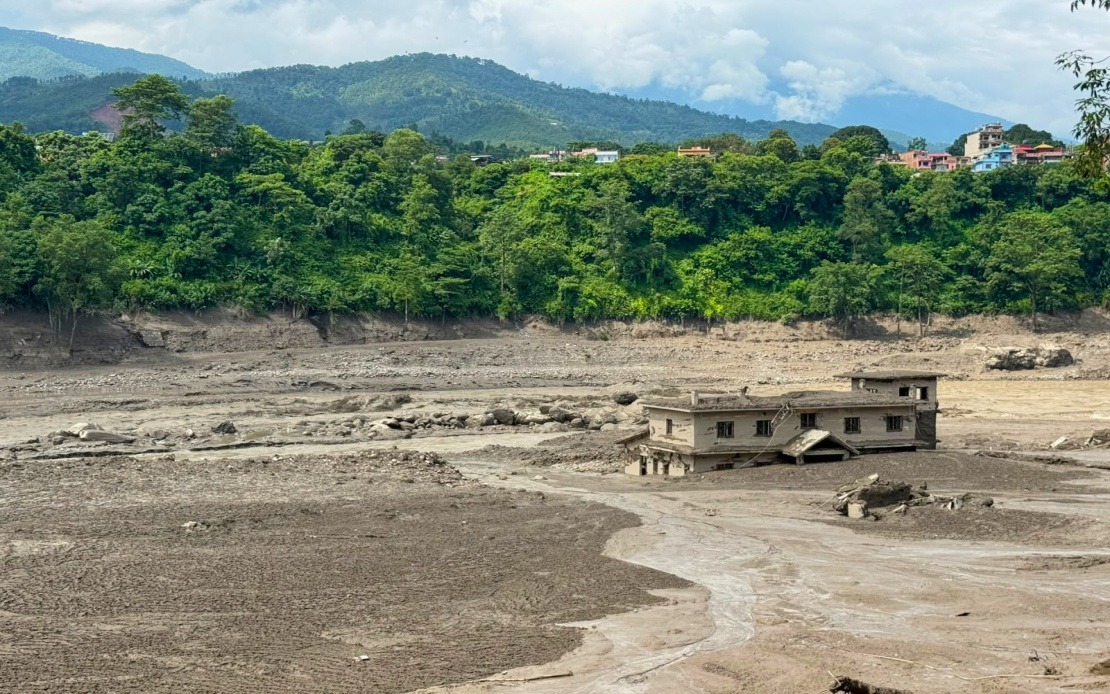
The disaster that unfolded in the Nepal-Tibet border region was triggered by a combination of natural forces: torrential rainfall coupled with catastrophic glacier landslides along the Bhote Koshi River created conditions for the devastating flash flooding. The violence of the water surge and debris flow has caused widespread devastation across the area, compounding rescue difficulties. The environmental impact of such glacial events—increasingly common in the Hindu Kush-Himalayan region—underscores the growing climate vulnerabilities affecting South Asia and the broader region, a concern that extends beyond immediate disaster response to long-term regional security and stability.
The geographic isolation created by the disaster has severely hampered response efforts and created a communication vacuum that has made it difficult to obtain clear information about the welfare of those affected. The flooding has severed critical infrastructure linking the affected communities to Kathmandu, effectively cutting off the primary lifeline for emergency supplies, medical assistance, and evacuation. Roads remain impassable, and communication networks have been compromised, creating a barrier that rescue teams must overcome even as they search for survivors. This infrastructure breakdown illustrates how natural disasters in mountainous terrain can quickly overwhelm conventional response mechanisms and create secondary crises through isolation.
Anwar emphasised through a Facebook statement that the Malaysian government, operating through its Foreign Ministry, intends to maintain continuous monitoring of developments as they unfold. The statement reflected both the gravity with which the government is treating the situation and its determination to sustain engagement with Nepalese authorities and international partners involved in the rescue effort. Such high-level political attention signals to both the affected Malaysian community and the international diplomatic community that Malaysia takes the crisis with utmost seriousness.
The situation highlights the particular vulnerability of Malaysian travellers and trekkers to the Himalayan region, where adventure tourism and religious pilgrimages draw significant numbers of nationals each year. The mountainous terrain and remote nature of many popular destinations—including areas in and around Rasuwa district—present inherent risks during monsoon seasons and periods of extreme weather. The incident serves as a stark reminder of the dangers posed by seasonal environmental hazards in high-altitude regions and raises questions about the adequacy of safety protocols and travel advisories for Malaysian nationals venturing into these areas.
The Malaysian government's call for national prayer and collective support reflects both cultural sensitivities and the emotional dimensions of such humanitarian crises. By invoking community solidarity through religious sentiment, Anwar sought to mobilise not just institutional responses but also social cohesion around the shared goal of locating and assisting the missing nationals. This approach acknowledges that disaster response operates on multiple planes—institutional, diplomatic, and deeply human—and that each dimension matters for outcomes and for national morale during times of crisis.
From a regional perspective, this incident underscores the importance of robust diplomatic channels and rapid coordination mechanisms between Southeast Asian nations and South Asian countries. Malaysia's decision to deploy resources from Bangladesh demonstrates understanding that disaster response in border regions requires flexibility and pragmatic use of available diplomatic infrastructure. It also reflects the growing network of Malaysian diplomatic missions and the capacity of the foreign service to mobilise quickly across jurisdictions during emergencies.
The broader implications for Malaysian tourism and travel to Nepal remain to be seen. While such individual disasters typically do not deter travellers significantly in the medium term, they do prompt reviews of safety protocols and potentially alter individual risk calculations. Tour operators and travel agencies will likely revisit insurance arrangements and safety briefings, while the government may reassess its travel advisory framework for high-risk regions. The incident could catalyse conversations about whether Malaysia's diplomatic presence in key tourism destinations is adequately staffed to handle large-scale emergencies.
As search efforts continue and communication networks gradually restore, the focus will shift to establishing what happened to each of the 54 uncontactable nationals and determining whether they are safe, injured, or among potential casualties. The government's active mobilisation of resources and transparent communication about the situation have been appropriate responses to an unfolding humanitarian emergency, setting expectations for continued engagement and regular updates as the situation develops.

