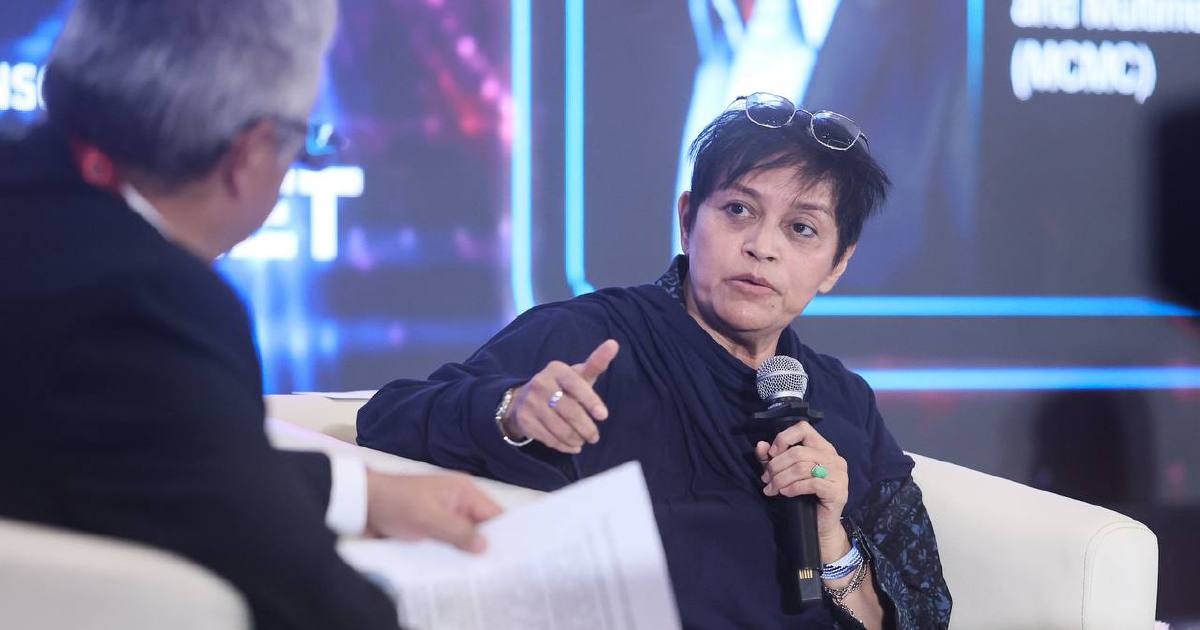
Malaysia's government has signalled fresh concerns over the conduct of campaigns in digital spaces, with a senior minister warning regulators to maintain rigorous standards of fairness as the nation prepares for future electoral contests. Datuk Seri Azalina Othman Said, the Minister in the Prime Minister's Department (Law and Institutional Reform), has pointed to the Malaysian Communications and Multimedia Commission (MCMC) as the critical institution responsible for preventing unequal advantage in online campaign environments.
The call reflects broader anxieties within Southeast Asia regarding how traditional electoral rules translate to digital platforms, where content spreads rapidly and oversight remains more complex than in conventional media. As Malaysia's political landscape continues its evolution toward greater digital engagement, the tension between ensuring fair competition and preserving free expression has emerged as a defining challenge for election administrators.
Azalina's intervention underscores the government's recognition that digital content requires systematic, transparent monitoring mechanisms throughout election periods. The statement implies current arrangements may be inadequate to prevent certain political actors from exploiting online channels to gain disproportionate influence over voters. This concern mirrors challenges faced by neighbouring democracies across Southeast Asia, where rapid digitalisation has outpaced regulatory capability.
The MCMC's mandate has expanded considerably as Malaysian society has become increasingly dependent on digital infrastructure for news consumption and political discourse. However, the commission has historically focused on telecommunications licensing and content standards rather than election-specific oversight. Azalina's remarks suggest the government expects the MCMC to adopt a more proactive role during polling periods, actively monitoring social media platforms, messaging applications, and streaming services for violations of campaign conduct rules.
Rooted in this discussion is a fundamental tension between ensuring competitive fairness and respecting the open nature of digital communication. Unlike traditional broadcast media, which operates through licensed stations subject to direct regulatory authority, digital platforms operate across jurisdictions and involve multiple stakeholders—technology companies, content creators, political operatives, and ordinary citizens. Establishing a level playing field requires careful calibration to avoid censorship accusations whilst maintaining genuine competitive balance.
Malaysia's electoral history reveals instances where technological advantages have influenced outcomes. The 2022 general election saw unprecedented social media mobilisation, with different coalitions deploying varying levels of digital sophistication. Observers noted disparities in online campaign infrastructure and advertising reach, suggesting that without proper oversight mechanisms, wealthier or better-resourced political movements could dominate digital spaces regardless of voter preferences. Azalina's statement indicates policymakers aim to prevent such asymmetries in future contests.
The regulatory approach Azalina implicitly advocates requires MCMC to establish clear, publicly transparent guidelines defining what constitutes fair digital campaigning. These might include provisions on advertising transparency, bot detection, deepfake prevention, and foreign interference prevention. Implementation would demand technical expertise and resources currently unclear whether the MCMC possesses. Singapore's approach to online electoral conduct, formalised through amendments to its Constitution and electoral regulations, offers one regional model, though it faces criticism for restricting rather than enabling genuine fairness.
Stakeholders beyond government recognise the stakes involved. Civil society organisations, technology companies, and opposition parties have competing interests in how digital campaign rules develop. Technology platforms argue they cannot serve as election authorities and resist prescriptive content takedown requirements. Opposition parties fear government-aligned regulators might use oversight as a tool for suppressing dissent. Meanwhile, civil society groups emphasise protecting voters from manipulation and disinformation whilst maintaining democratic freedoms.
For Malaysian voters, particularly younger demographics who obtain political information primarily through digital channels, the quality of regulatory oversight directly affects how fairly they encounter electoral choices. If systematic disparities exist in who can reach voters through online platforms, election outcomes may reflect technological capacity rather than genuine public preference. Azalina's intervention recognises this democratic principle underlying election administration.
Implementing credible digital monitoring requires international cooperation given the cross-border nature of online platforms and potential foreign interference. MCMC would need coordination with tech companies to access campaign data, intelligence agencies to identify foreign manipulation, and international counterparts to share detection methodologies. Malaysia's limited track record of such coordination suggests implementation will require institutional development.
The broader implications extend beyond Malaysia itself. Southeast Asia faces collective pressure to modernise electoral administration for digital environments whilst maintaining democratic legitimacy. How Malaysia addresses digital campaign fairness will influence approaches adopted across the region, particularly among democracies navigating similar pressures from rapid digitalisation and concerns about electoral integrity.
Azalina's public call signals that the government views digital election fairness as sufficiently important to mention in formal statements, suggesting regulatory changes may be forthcoming. Whether these materialise into substantive reforms affecting campaign conduct remains uncertain, but the minister's remarks indicate policymakers recognise existing frameworks inadequately address how contemporary politics functions in digital spaces.

