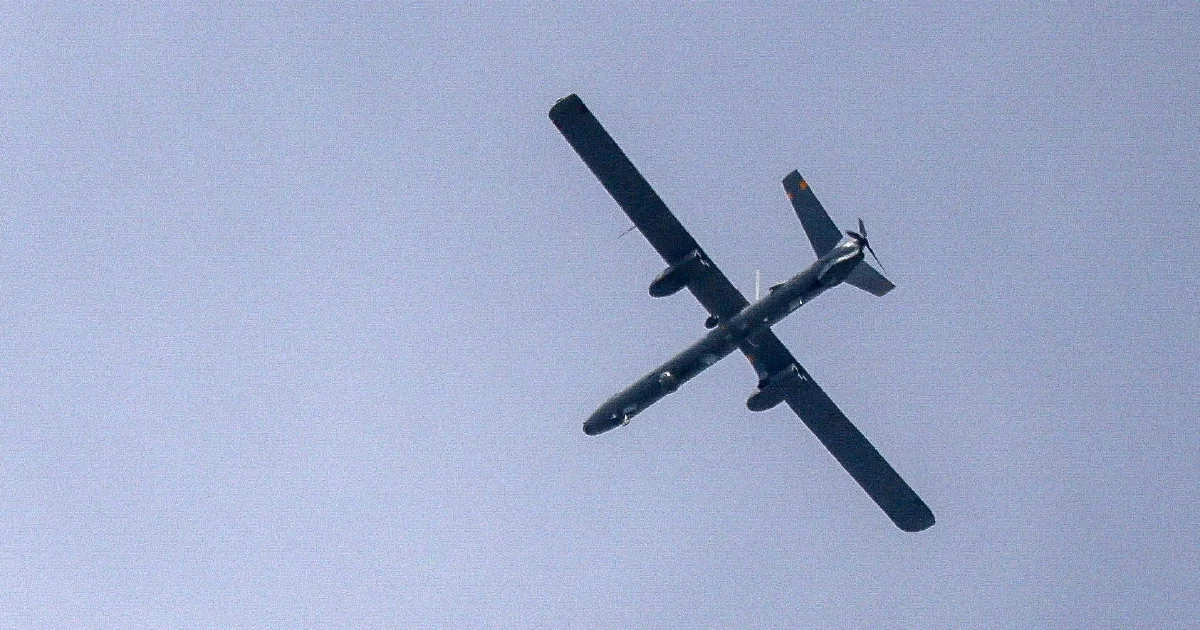
Prime Minister Datuk Seri Anwar Ibrahim has stressed that Malaysia cannot afford to lag behind in the race to develop and adopt cutting-edge technologies, with particular emphasis on the unmanned aerial vehicle sector, if it hopes to maintain competitive relevance in an increasingly technology-driven global marketplace. Speaking at an event in Sepang, the Prime Minister highlighted the strategic importance of positioning Malaysia as a significant player in the UAV industry, which has become a critical component of modern economies across developed and emerging markets alike.
The call to action reflects a broader recognition within the Malaysian government that technological advancement represents one of the most reliable pathways to sustained economic growth and international competitiveness. As countries worldwide rapidly integrate drones into commercial operations, agricultural management, infrastructure inspection, logistics, and emerging defence applications, Malaysia risks ceding valuable opportunities to more proactive regional competitors if domestic development efforts remain sluggish. This concern is particularly acute given Southeast Asia's position as a dynamic economic region where technological innovation is becoming a key differentiator between nations.
The drone industry presents multiple layers of economic opportunity that extend well beyond the manufacture of aircraft themselves. Supporting sectors such as software development, artificial intelligence integration, data analytics, regulatory frameworks, and specialised workforce training all create cascading employment and investment opportunities. Countries that establish strong foundational expertise in UAV technology often find themselves with significant advantages in adjacent high-technology sectors, creating spillover benefits across their broader innovation ecosystems.
Malaysia's geographic advantages and existing manufacturing infrastructure position the nation relatively well to become a regional hub for drone development and production. The country boasts a skilled workforce, established supply chains for electronics and components, and experience managing complex technical manufacturing operations. However, realising this potential requires deliberate policy interventions, investment in research and development facilities, and collaboration between government agencies, private enterprises, and academic institutions to create an enabling ecosystem.
The regulatory environment surrounding drone operations remains a critical bottleneck in many jurisdictions, including Malaysia. Clear, forward-thinking regulations that balance legitimate safety and security concerns with industry development needs can accelerate innovation while maintaining necessary oversight. Countries that have moved quickly to establish proportionate regulatory frameworks have seen faster industry growth and attracted more investment and talent to their drone sectors than those that maintain overly restrictive or unclear rules.
Regional competition for drone industry leadership is intensifying, with countries such as Vietnam, Indonesia, and Thailand all pursuing strategies to develop their capabilities in this field. Singapore has positioned itself as a testing ground for advanced UAV applications, while China dominates global drone manufacturing. For Malaysia to achieve meaningful participation in this expanding sector, strategic action cannot be delayed without risking permanent competitive disadvantage as market structures solidify and dominant players consolidate their positions.
The commercial drone market has experienced explosive growth in recent years, driven by declining hardware costs, improving battery technology, and expanding application possibilities. Agricultural drones for crop monitoring and pest management are proving particularly valuable in tropical regions with climate patterns similar to Malaysia's, suggesting substantial domestic demand potential. Similarly, infrastructure inspection using drones offers significant safety and efficiency improvements compared to traditional methods, with applications relevant to Malaysia's extensive telecommunications, utility, and transportation networks.
Investment in drone technology also aligns with Malaysia's broader commitment to digital transformation and industry modernisation. The technology serves as a gateway to artificial intelligence, computer vision, autonomous systems, and the Internet of Things—all critical competencies for twenty-first-century economies. Building strength in drone-related technologies helps Malaysian companies develop capabilities that remain relevant and valuable across multiple emerging technological domains.
The government has already taken some steps toward supporting the local drone industry through various programmes and initiatives, but observers note that the pace of development and the scale of public support remain modest compared to commitments made by comparable regional economies. Accelerating progress will require sustained funding, policy clarity, and coordination between multiple government ministries responsible for transport, communications, trade, defence, and research.
Private sector participation remains essential, as ultimately commercial viability and market demand must drive sustainable industry growth. However, government can establish conditions that encourage private investment and lower barriers to entry for startups and established companies considering drone-related ventures. This might include tax incentives for research and development, streamlined approval processes for testing new technologies, and public procurement policies that prioritise locally developed solutions where feasible.
Education and workforce development represent another crucial dimension of accelerating drone technology adoption. Malaysian universities and vocational institutions require enhanced programmes in drone engineering, maintenance, operation, and data analysis to build the talent pipeline necessary for industry expansion. Partnerships with international organisations and established drone manufacturers can help transfer expertise and accelerate capability-building.
The international dimension of drone development cannot be overlooked, as the sector benefits from global collaboration on standards, safety protocols, and best practices. Malaysia's participation in international forums discussing drone regulation and technology standards can help shape rules that accommodate diverse national contexts while maintaining interoperability and safety. This engagement also creates opportunities for Malaysian companies and institutions to participate in collaborative research initiatives with leading global players.
For Malaysia to realise the economic potential Datuk Seri Anwar Ibrahim identified, sustained commitment across government, industry, and academic sectors will be necessary. The window of opportunity for establishing meaningful regional leadership in drone technology remains open, but only if concrete steps follow this rhetorical emphasis on acceleration.

