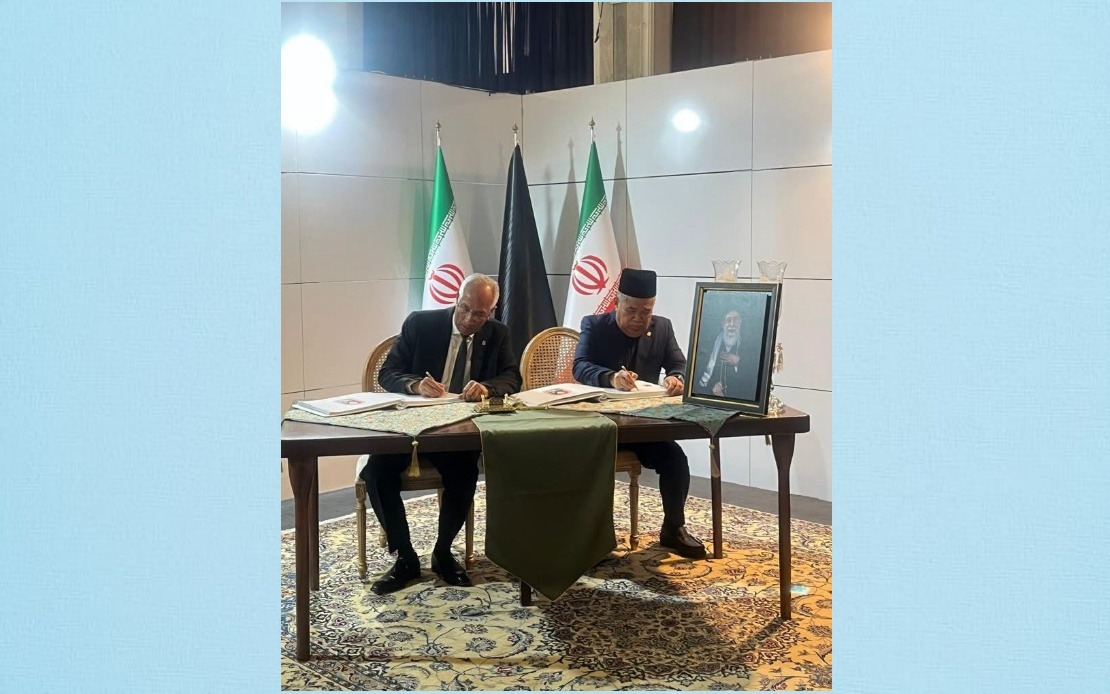
Malaysia's Minister of Agriculture and Food Security Datuk Seri Mohamad Sabu headed an official government delegation to Iran on July 4 to pay final respects to the country's late Supreme Leader Ali Khamenei at the Grand Mosalla in Tehran. The gesture underscores the diplomatic ties between Malaysia and Iran, with the mourning ceremony marking a significant moment in the regional relationship during a volatile period in the Middle East.
The comprehensive tribute to Khamenei, who passed away in February, reflects the scale of Iran's national mourning and the international dimensions of his death. Mohamad's presence in Tehran carries particular weight given Malaysia's position as a major Muslim-majority nation in Southeast Asia and a significant player in regional diplomacy. The delegation's attendance signals Malaysia's acknowledgement of Iran's prominent role in Islamic geopolitics and the broader Muslim world.
According to Mohamad's statement shared via social media, the mourning observances would extend well beyond the initial ceremony in Tehran, demonstrating the gravity with which Iran is marking Khamenei's passing. The proceedings were scheduled to progress through multiple holy cities, including Qom and Najaf, before moving to the Shia pilgrimage destinations of Karbala, showcasing the religious and cultural significance of the mourning process across Iran's most spiritually important locations.
The final internment was planned for July 9 at the Imam Reza Shrine in Mashhad, one of Shia Islam's most sacred sites. This burial location underscores Khamenei's profound importance within Iran's Islamic system and carries deep symbolic meaning for the Iranian state and its followers worldwide. The choice of Mashhad reflects both his spiritual authority and his central role in Iran's political and religious governance for decades.
Notably, these ceremonies were occurring more than 100 days after Khamenei's death on February 28, an unusual timeline that raises questions about the circumstances surrounding the event. The extended period between death and final burial, combined with the scale of international delegations attending, suggests the complexity of Iran's response to his passing and the deliberate nature of the state's choreographed mourning process.
Upon his arrival in Tehran, Mohamad was received by Iran's Speaker of Parliament Mohammad Bagher Ghalibaf and Foreign Minister Abbas Araghchi, both senior figures in Iran's political hierarchy. These welcoming protocols indicate the importance Iran attributed to Malaysia's representation and reflect the diplomatic significance it places on maintaining strong relationships with key Muslim-majority nations, particularly those with economic and strategic influence in Southeast Asia.
Mohamad's participation in the ceremony was deeply personal, going beyond mere official protocol. Through his public statements, he offered prayers for the deceased, seeking divine mercy and forgiveness for Khamenei's sins while expressing hope that he would attain a place among the righteous. Such explicit religious expression from Malaysia's Minister reflects the intertwining of political representation and Islamic faith in Malaysia's foreign relations.
The significance of this delegation extends beyond ceremonial observance. It demonstrates Malaysia's consistent engagement with Iran despite regional tensions and international complexities. Malaysia has historically maintained diplomatic channels with Iran while balancing relationships with other regional and global powers, a careful diplomatic dance that requires nuanced positioning. The decision to send a high-level delegation underscores Malaysia's commitment to these relationships.
For Malaysian observers, the event highlights how Southeast Asian nations navigate the broader Islamic world's political dynamics. While Malaysia is geographically distant from Iran, the spiritual and religious connections between Muslim communities create diplomatic imperatives that transcend geography. The attendance of Mohamad Sabu signals to both Iran and Malaysia's domestic constituencies that the country takes its role as a significant Islamic nation seriously.
The mourning ceremonies themselves, spanning multiple cities and extending over several days, reflected Iran's desire to showcase Khamenei's significance to both domestic and international audiences. The involvement of foreign delegations, including Malaysia's, added an international dimension to what would otherwise be primarily a domestic religious observance. This international participation served Iran's diplomatic objectives while allowing Malaysia to demonstrate its standing within the Islamic world.

