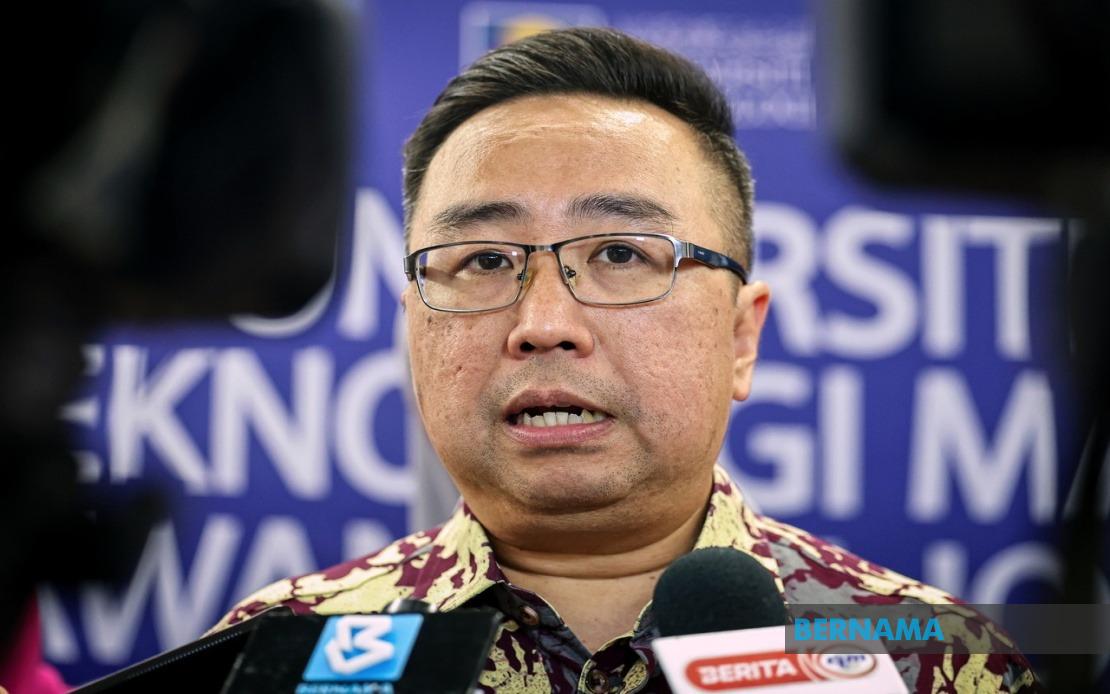
Malaysia is elevating talent development to centre stage in its science and technology policy framework as the country gears up to host the 23rd ASEAN Ministerial Meeting on Science, Technology and Innovation (AMMSTI-23) in June 2027. Minister Datuk Chang Lih Kang has signalled that this thematic priority reflects a strategic recognition that human capital remains the cornerstone of the nation's capacity to compete for sophisticated technology investment in an increasingly competitive regional landscape.
The decision to make talent cultivation a defining feature of Malaysia's near-term innovation agenda addresses a persistent challenge across Southeast Asia: the widening gap between workforce capabilities and the demands of emerging industries. By anchoring talent development as a foundational pillar, MOSTI is positioning the country to demonstrate substantive progress on this front when regional peers gather in 2027. This messaging carries particular weight for multinational corporations evaluating investment destinations, as they increasingly weigh local talent pools and skills ecosystems alongside infrastructure and regulatory frameworks.
Beyond talent cultivation, MOSTI has outlined a comprehensive portfolio of technological domains that will shape Malaysia's innovation trajectory through the coming years. Energy transition, artificial intelligence, digitalisation, advanced materials, nanotechnology including hydrogen applications, and biotechnology represent the ministry's strategic bets on sectors offering both immediate commercial potential and longer-term structural advantages. This breadth suggests MOSTI is pursuing a balanced approach rather than betting heavily on any single technology frontier, though the emphasis on energy transition and AI indicates recognition of global megatrends that will reshape competitiveness across multiple sectors.
The hosting of AMMSTI-23 represents a formal validation of Malaysia's standing within the regional science and innovation community. The decision came during the 22nd edition of the ministerial meeting, held in Vientiane, Laos, on June 26. By securing the platform to convene ASEAN's science and technology ministers, Malaysia gains an opportunity to set regional agendas, showcase domestic achievements, and position itself as a thoughtful voice on matters ranging from technology governance to skills development across Southeast Asia.
A particularly significant element of MOSTI's strategy concerns technical and vocational education and training (TVET), which sits administratively outside the ministry's direct purview yet commands its proactive engagement. Datuk Chang has committed MOSTI to working alongside other agencies to fundamentally restructure how Malaysia prepares workers for technical roles. Rather than relying on conventional trade-based curricula, the ministry is advocating that TVET programmes embed emerging technologies such as robotics, artificial intelligence, and coding from foundational levels. This signals a philosophical shift: technical education should no longer be conceived as a secondary pathway focused narrowly on traditional skills, but rather as a sophisticated track offering genuine breadth and contemporary relevance.
Executing this transformation requires institutional coordination across an unusually large coalition. MOSTI is collaborating with twelve ministries involved in TVET implementation, including the Ministry of Education, Ministry of Higher Education, Ministry of Rural and Regional Development, and Ministry of Human Resources. Such multi-agency coordination is administratively demanding and suggests MOSTI sees TVET reform as a whole-of-government challenge rather than a narrow technical matter. For Malaysian readers, the implications are substantial: young people entering vocational pathways should gradually encounter curricula that merge traditional technical knowledge with contemporary digital competencies, theoretically expanding career prospects and earning potential.
The MOSTI TechTalks Series represents the ministry's approach to grassroots engagement with future innovators and industry practitioners. Held regularly across university campuses, these forums serve as vehicles for communicating Malaysia's innovation priorities directly to students and young professionals whilst simultaneously gathering feedback on how policy aligns with emerging talent expectations. By staging these discussions in academic settings, MOSTI is investing in alignment between institutional research agendas and national policy directives, whilst also positioning itself as responsive to generational perspectives on technology's societal role.
Datuk Chang's emphasis on ensuring university students understand Malaysia's STI direction addresses a structural challenge: domestic talent often emigrates when unable to identify compelling career pathways aligned with national research priorities. By making policy transparency and strategic direction visible to students whilst they remain in domestic institutions, MOSTI may moderately reduce brain drain and cultivate cohorts of professionals genuinely invested in Malaysia's innovation ecosystem. The timing is strategic, as students exposed to consistent messaging about sectoral priorities and emerging opportunities may be more inclined to build careers contributing to those agendas.
The convergence of these initiatives reflects a maturing approach to innovation policy within the Malaysian state apparatus. Rather than treating talent development, TVET reform, technology selection, and ministerial engagement as separate workstreams, MOSTI is weaving them into a coherent narrative where each element reinforces the others. Talent development depends on reformed TVET programmes delivering graduates with relevant skills; hosting AMMSTI-23 provides validation and urgency for demonstrating progress; and direct engagement with young people ensures the system remains responsive to emerging professional expectations.
Regionally, Malaysia's positioning matters considerably. Neighbouring Thailand, Vietnam, and Indonesia are similarly investing in innovation capabilities and competing for the same high-value foreign direct investment and talent. Malaysia's ability to tangibly demonstrate progress on human capital development ahead of 2027 will significantly influence its relative attractiveness as an innovation hub within Southeast Asia. The AMMSTI-23 platform thus functions not only as a convening opportunity but as an accountability mechanism, where Malaysia must showcase substantive achievements rather than aspirational plans.
For the broader Malaysian economy, the payoff depends on translation of policy into outcomes. Talent development statements remain platitudinous unless supported by competitive remuneration, genuine career pathways, and research infrastructure that allows skilled professionals to engage substantive problems. Similarly, TVET curricula incorporating robotics and AI only create opportunity if employers throughout Malaysia's economy actually demand and value these skills. The coming years will reveal whether MOSTI's strategic framing translates into genuine structural change or represents primarily rhetorical repositioning ahead of a significant regional showcase.

