Malaysia is mobilizing its diplomatic apparatus to navigate compensation claims arising from the cancellation of a major defence procurement agreement with Norway's Kongsberg Defence & Aerospace AS for the Naval Strike Missile system. Defence Minister Datuk Seri Mohamed Khaled Nordin confirmed that both the Defence Ministry and Foreign Ministry have formally communicated Malaysia's position to the Norwegian government, signalling the seriousness with which the administration views the matter. This dual-ministry engagement reflects the complexity of the dispute, which straddles both defence and international relations considerations.
The government's approach hinges on leveraging Norway's diplomatic influence to facilitate negotiations between Malaysian officials and the defence contractor. Rather than pursuing direct legal confrontation, Kuala Lumpur has requested that the Norwegian government assume a mediating role, recognizing that Oslo maintains both commercial and political relationships with Kongsberg Defence & Aerospace AS that could prove instrumental in reaching a mutually acceptable resolution. The Foreign Ministry has formally written to its Norwegian counterpart outlining this request, establishing an official channel through which discussions can proceed.
This diplomatic strategy carries particular significance for Malaysia's defence sector engagement internationally. The approach signals to potential future partners that Malaysia seeks collaborative problem-solving over adversarial dispute resolution, though it also requires careful calibration to protect national interests and fiscal responsibility. The decision to involve Norway as a facilitator rather than proceeding unilaterally suggests Malaysia recognizes the value of maintaining positive relationships with Nordic defence suppliers, a category that includes not only Norway but also Sweden and Finland, all important players in global arms markets.
The Public Accounts Committee has already weighed in on the dispute, having received a special briefing from the Defence Ministry on the matter. The committee subsequently urged the government to strengthen both mitigation and diplomatic efforts to achieve a fair resolution while maintaining Malaysia's fiscal sovereignty. This parliamentary oversight reflects broader concerns about ensuring taxpayer funds are protected and that any settlement reached does not set unfavorable precedents for future defence contracts. The PAC's emphasis on balancing fair resolution with fiscal protection underscores the balancing act Malaysia must perform.
The cancellation itself represents a significant development in Malaysia's defence modernization efforts. The Naval Strike Missile system would have enhanced Malaysia's maritime strike capabilities, addressing evolving security challenges in the South China Sea and surrounding waters. The decision to cancel, rather than proceed with procurement, suggests either budgetary constraints, strategic reassessment, or both—factors that remain important context for understanding why compensation negotiations are necessary.
From a regional perspective, this dispute carries implications beyond Malaysia-Norway relations. Southeast Asian nations frequently engage with Nordic defence contractors and may monitor how this compensation matter is resolved. A precedent favoring equitable settlement could encourage more robust defence partnerships with Scandinavian suppliers, while an unsatisfactory outcome might prompt other regional states to exercise greater caution in such arrangements. Singapore, Indonesia, and Vietnam all have existing or potential procurement relationships with similar suppliers.
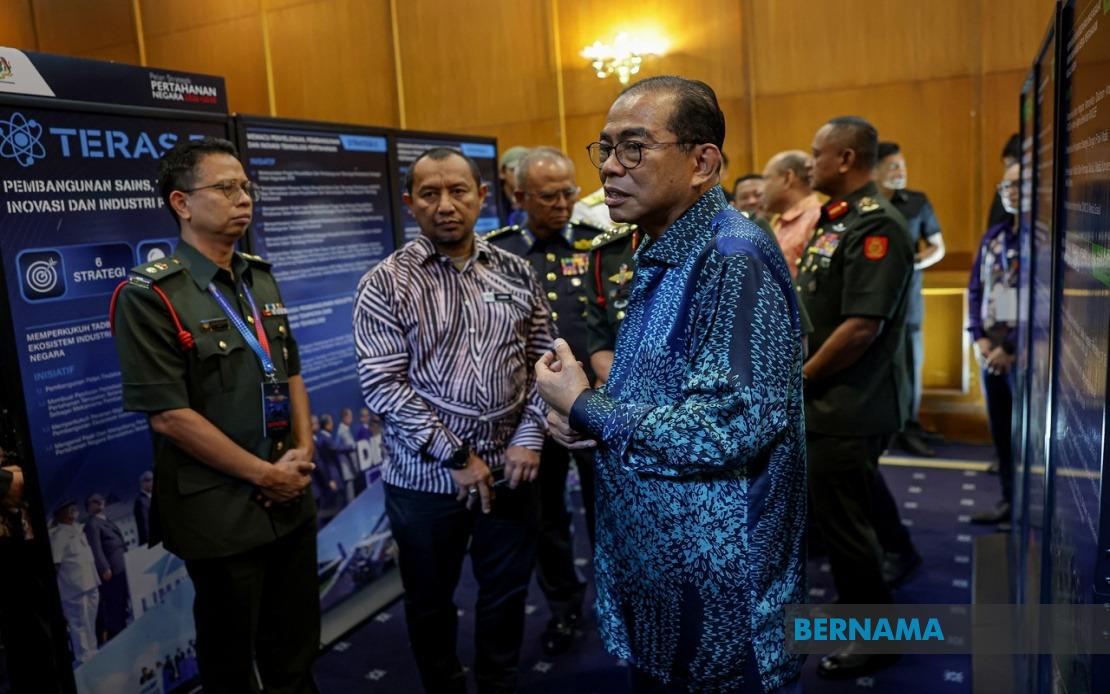
The timing of these developments, coinciding with the launch of Malaysia's National Defence Strategic Plan and Defence Capability Blueprint 2026-2030, further illustrates how individual contract disputes intersect with broader strategic planning. The blueprint presumably addresses future procurement needs and capability gaps, making the resolution of past disputes an important prerequisite for future planning certainty. Officials including Chief of Defence Force General Tan Sri Malek Razak Sulaiman were present at these strategic announcements, indicating high-level attention to defence modernization matters across the full span of procurement lifecycle.
Malaysia's chosen approach—formal notification, diplomatic mediation, and parliamentary engagement—demonstrates institutional maturity in handling complex international commercial disputes. By establishing clear communication channels and transparent processes, the government reduces uncertainty that might otherwise complicate relations with Kongsberg Defence & Aerospace AS or its Norwegian parent government. This transparency also serves domestic audiences concerned about how public resources are managed when contracts go awry.
The involvement of two government ministries—Defence and Foreign Affairs—creates a comprehensive response framework. The Defence Ministry brings technical expertise regarding the contract specifics and defence implications, while the Foreign Ministry contributes diplomatic experience and established relationships with Norwegian counterparts. This inter-agency coordination, properly managed, can accelerate problem-solving by ensuring all relevant government expertise focuses on the same objective.
Looking forward, the success of this diplomatic initiative will depend partly on factors beyond Malaysia's direct control, including Kongsberg Defence & Aerospace AS's willingness to negotiate and Norway's capacity to influence that willingness. However, Malaysia's proactive engagement increases the likelihood of a positive outcome compared to more passive approaches. The establishment of formal government-to-government communication channels provides a structured framework within which detailed negotiations can proceed.
The compensation dispute also serves as a reminder of the complexities inherent in international defence procurement. Contracts spanning multiple jurisdictions, involving sophisticated military technology, and subject to domestic political and budgetary considerations require careful management throughout their lifecycle. Future Malaysian defence procurements may benefit from lessons learned through this process, potentially incorporating more flexible contract terms or clearer exit mechanisms that protect both Malaysia's interests and those of suppliers.
For Malaysian observers, this situation underscores the importance of defence budget planning and strategic clarity before entering major procurement commitments. The resources being devoted to resolving compensation claims might have been avoided through more careful initial analysis. Nonetheless, the government's current diplomatic engagement represents a pragmatic approach to resolving an inherited problem while positioning Malaysia for more successful defence partnerships going forward.

