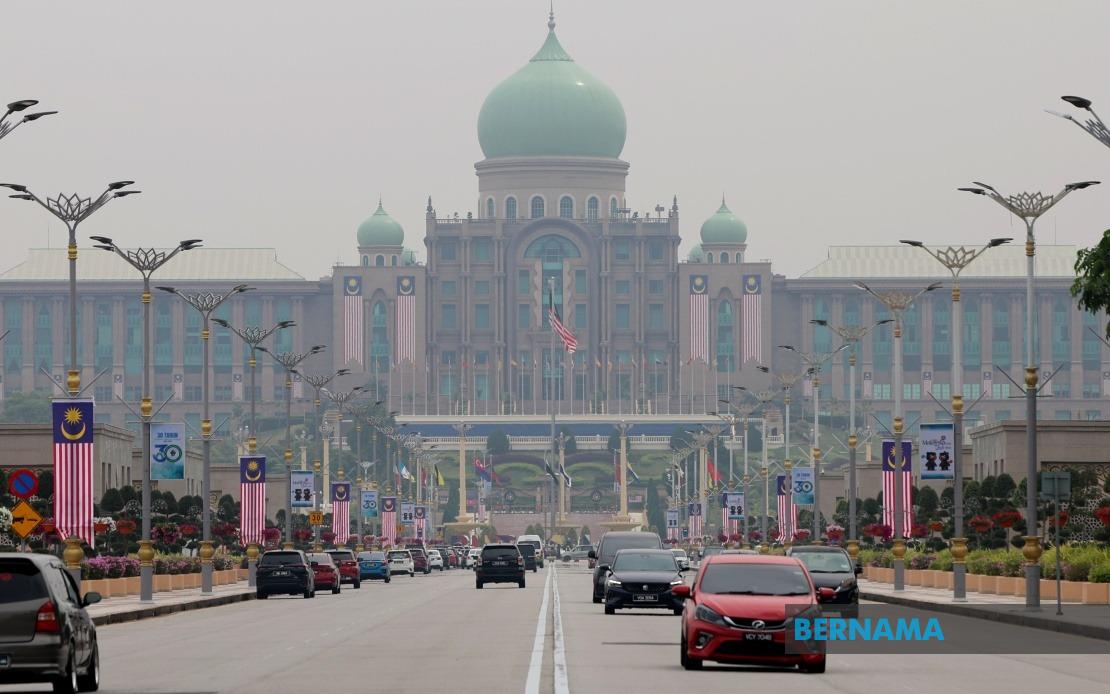
Malaysia is intensifying pressure on neighbouring ASEAN member states to adopt a unified regional strategy against the escalating risk of transboundary haze pollution, warning that the coming months will present heightened challenges as climate conditions deteriorate across Southeast Asia. Natural Resources and Environmental Sustainability Minister Datuk Seri Arthur Joseph Kurup conveyed Malaysia's position to ASEAN Secretary-General Dr Kao Kim Hourn in an official communication, underscoring the urgency of moving beyond individual national responses to establish comprehensive, coordinated preparedness mechanisms that address the cross-border nature of the pollution problem.
The Malaysian government's intervention reflects growing concern about weather patterns currently unfolding in the region, particularly the sustained dry conditions affecting southern ASEAN territories. These prolonged periods without rainfall have triggered a noticeable surge in hotspot activity—the precursor to widespread haze events that can affect populations across multiple countries simultaneously. The interconnected geography of Southeast Asia means that smoke and particulate matter generated by fires in one nation inevitably drifts into neighbouring territories, creating a pollution crisis that no single country can resolve independently, a reality that forms the foundation of Malaysia's appeal for collective action.
Minister Kurup emphasised that although fire incidents remain contained within individual member state boundaries at present, the structural vulnerability of the entire region demands that ASEAN abandon siloed approaches and implement region-wide preparedness architecture. His statement outlined a comprehensive framework encompassing enhanced surveillance of high-risk zones, strengthened monitoring infrastructure to detect hotspots before they escalate, rigorous enforcement of open burning prohibitions, and the maintenance of operational readiness for firefighting forces across all member states. These measures represent the practical implementation of principles enshrined in the ASEAN Agreement on Transboundary Haze Pollution (AATHP), a foundational regional instrument that has guided cooperation since its establishment.
The particular concern animating Malaysia's intervention is the anticipated intensification of El Niño conditions in the coming months. This climate phenomenon, which typically brings drier weather patterns to Southeast Asia, is expected to gradually strengthen, potentially creating ideal conditions for widespread fire ignition and rapid spread. If the predicted El Niño progression materialises as expected, the current elevated hotspot activity could transform into a regional haze crisis reminiscent of severe events that have periodically disrupted the region over recent decades, affecting air quality, public health, and economic activity across borders.
Malaysia's call specifically emphasises the critical importance of information exchange mechanisms and cross-border coordination protocols. The minister stressed that early intervention capacity—the ability to detect and suppress fire incidents before they develop into transboundary pollution events—depends fundamentally on accurate, timely data sharing among all ASEAN partners. When one nation detects elevated hotspot activity, this intelligence must reach neighbouring countries immediately so they can implement preventive measures and prepare their populations and infrastructure. Such coordination has historically been inconsistent, with some nations prioritising national interests over regional transparency, a dynamic Malaysia is attempting to address through diplomatic pressure.
The role of the ASEAN Secretariat, specifically through its Interim ASEAN Coordinating Centre for Transboundary Haze Pollution Control (ACC THPC), features prominently in Malaysia's framework for regional response. By positioning the Secretariat as the institutional hub for information dissemination and coordination, Malaysia advocates for depoliticised, technocratic management of haze preparedness. This institutional approach reduces the likelihood that bilateral tensions or individual nations' reluctance to acknowledge their responsibility for fire incidents will undermine the collective response. The Secretariat can serve as a neutral intermediary, documenting hotspot data, facilitating real-time communication, and monitoring compliance with agreed protocols.
For Malaysia specifically, the haze issue carries particular salience given its geographic position and demographic concentration. The country's population and economic activity are heavily concentrated in regions that are particularly vulnerable to haze events originating in neighbouring territories, especially during monsoon patterns that carry smoke across the Strait of Malacca and throughout the peninsula. Previous transboundary haze episodes have imposed substantial costs on Malaysia through hospitalisation surges, school and business closures, and reduced economic productivity. This national interest gives Malaysia's diplomatic push credibility and urgency—the nation is not engaging in abstract regional diplomacy but responding to a concrete, recurring threat to its population's wellbeing.
The minister's framing of haze preparedness as intertwined with broader climate resilience represents an important analytical shift in regional discourse. Rather than treating transboundary haze as a discrete environmental problem requiring isolated responses, Malaysia positions it within the larger context of climate vulnerability affecting ASEAN as a whole. This reframing appeals to the region's growing recognition of climate change as an existential challenge requiring unified action. By connecting haze prevention to climate adaptation and regional resilience, Malaysia elevates the issue beyond pollution management to a foundational development and security concern.
Implementing the measures Malaysia has outlined would require substantial institutional development and financial commitments from ASEAN member states. Enhanced hotspot surveillance demands investment in satellite technology, ground-based monitoring stations, and data integration platforms. Strengthened enforcement of open burning bans requires increased field personnel, legal frameworks with meaningful penalties, and mechanisms for cross-border verification. Maintaining operational firefighting readiness means sustained funding for equipment, training, and personnel. These requirements create friction, as less-developed ASEAN members may struggle with implementation capacity, potentially compromising the collective strategy if resources are inadequately distributed.
The challenge ahead involves translating Malaysia's diplomatic initiative into concrete institutional mechanisms and financial commitments. ASEAN operates on consensus-based decision-making, which provides legitimacy but can slow implementation when members have divergent priorities or capacity constraints. Some nations may view stringent hotspot monitoring or open burning enforcement as impositions on national sovereignty, particularly when fire incidents serve economic interests such as land clearing for agriculture. Malaysia's advocacy for collective action must therefore be accompanied by incentive structures, capacity-building support, and potentially burden-sharing arrangements that make compliance attractive rather than punitive.
As the El Niño phenomenon gradually strengthens and southern ASEAN experiences continued dry conditions, the window for establishing effective preparedness systems is narrowing. The coming haze season will serve as a practical test of whether Malaysia's call for unified regional action translates into operational reality or remains aspirational diplomatic messaging. The stakes extend beyond pollution control—successful implementation would demonstrate ASEAN's capacity to coordinate on transnational challenges, a capability increasingly important as the region confronts climate change, transboundary water management, and other issues transcending borders. Conversely, inadequate coordination could underscore the limits of ASEAN's institutional architecture, with implications for broader regional cooperation frameworks.

