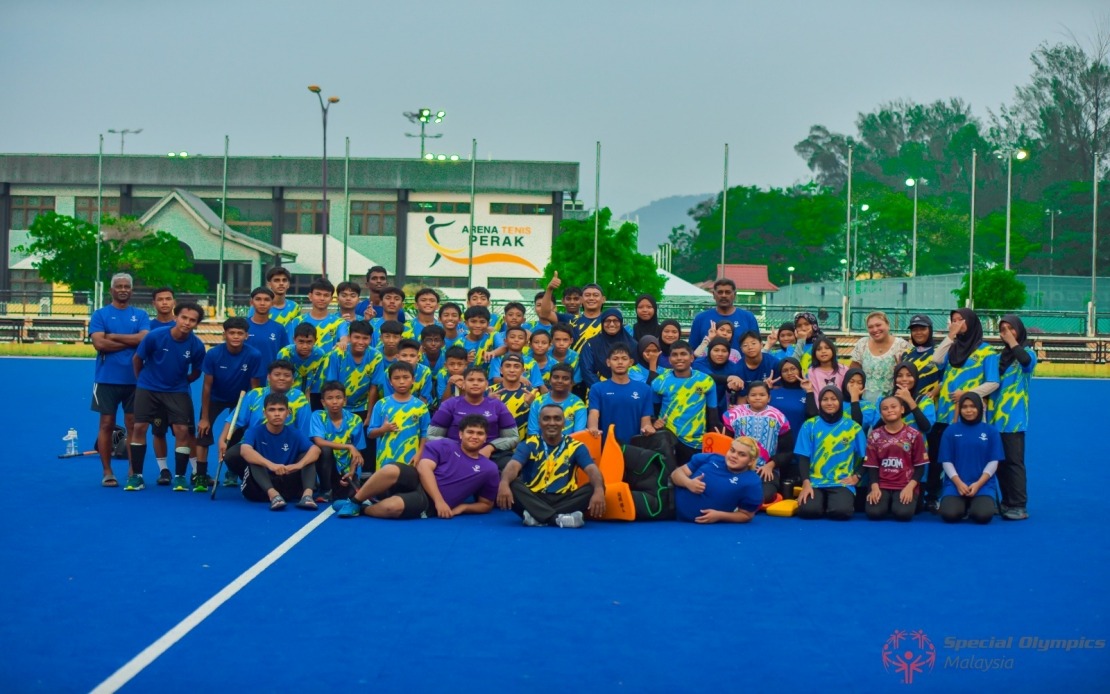
Malaysia will make its debut at the inaugural FIH Para Hockey ID World Cup 2026 with a carefully selected contingent of ten athletes, marking a significant milestone for the nation's intellectual disability sports programme. The tournament, scheduled for August 20 to 25 across venues in Belgium and the Netherlands, represents a rare opportunity for Malaysian para-athletes to compete on a genuinely global stage against the world's elite intellectual disability hockey teams.
The Malaysian squad comprises six male and four female players, assembled through a rigorous selection process that commenced in December 2025. According to Shanker Retinam, assistant head of delegation, the player selection criteria were multifaceted, extending beyond raw athletic ability to encompass consistent training attendance, discipline, and demonstrated commitment to the national programme. This holistic approach reflects best international practice in para-sport talent management, ensuring that the team represents not only Malaysia's strongest athletes but also its most dedicated representatives.
Preparation for the world stage has been intensive and methodical. Since selection, the squad has participated in monthly centralised training sessions conducted in Ipoh, providing athletes with structured coaching and the opportunity to build team chemistry ahead of international competition. This preparation model, though resource-intensive, demonstrates Malaysia's serious commitment to performing credibly at the World Cup despite para hockey remaining a relatively nascent sport within the country's sporting infrastructure.
The World Cup assumes particular significance given its timing and venue arrangement. By coinciding with the Men's and Women's Hockey World Cups at the same facilities across Belgium and the Netherlands, the para hockey tournament gains unprecedented visibility and prestige. This alignment allows para athletes to share venues and logistics infrastructure with elite able-bodied competitors, normalising intellectual disability participation in major international sporting events and challenging persistent perceptions about the capabilities of athletes in this classification.
Malaysia's competitive draw places the team in Pool B alongside a formidable array of established hockey nations: the Netherlands, Argentina, England, Spain, India, Chile, and Bulgaria. The composition of this group reveals the truly global reach of para hockey, spanning European powerhouses, established Latin American programmes, and Asian representatives. Bulgaria represents Malaysia's opening opponent in what promises to be a competitive fixture on August 20 in the Netherlands.
The tournament structure, featuring 16 participating nations, underscores the growth trajectory of intellectual disability hockey internationally. These teams represent the cream of global para-hockey talent, meaning Malaysia enters a genuinely high-level competition. Success will be measured not solely in match victories but in performance standards, team cohesion, and the experience gained by athletes competing against world-class opponents. Such exposure often yields invaluable developmental benefits extending far beyond individual tournament results.
Departure logistics have been finalised, with the Malaysian delegation scheduled to leave for Europe on August 17, providing four days for acclimatisation and final preparations before competition commences. This timeline reflects professional tournament planning, recognising that elite performance requires adequate adjustment periods following long-haul travel.
The diplomatic dimensions of the mission have received appropriate recognition. Sultan Nazrin Shah, the Sultan of Perak, will officiate at a flag-handover ceremony at the Royal Perak Golf Club, conferring significant ceremonial status upon the departing team. This vice-regal involvement amplifies the national importance attached to the tournament and provides symbolic acknowledgment of Malaysia's place within the international para-sports community.
For Malaysian sport more broadly, this tournament represents an opportunity to expand the global profile of local para-athletes and challenge assumptions about intellectual disability and competitive excellence. The visibility generated could catalyse increased domestic interest in para-hockey and broader intellectual disability sports programmes, potentially inspiring younger athletes and strengthening development pathways. Internationally, Malaysia's participation signals the nation's commitment to inclusive sporting frameworks and recognition of diverse athlete populations within competitive sport.
The experience gained by this pioneer cohort will establish crucial institutional knowledge for future international para-hockey campaigns. Whether through tournament victories, individual performances, or simply the accumulated wisdom of competing at world level, this inaugural World Cup participation plants seeds for long-term programme development. For Malaysian para-athletes in the intellectual disability category, the opportunity to test themselves against global competitors represents a watershed moment, validating years of dedicated training and positioning the nation as an emerging force within international para-hockey.

