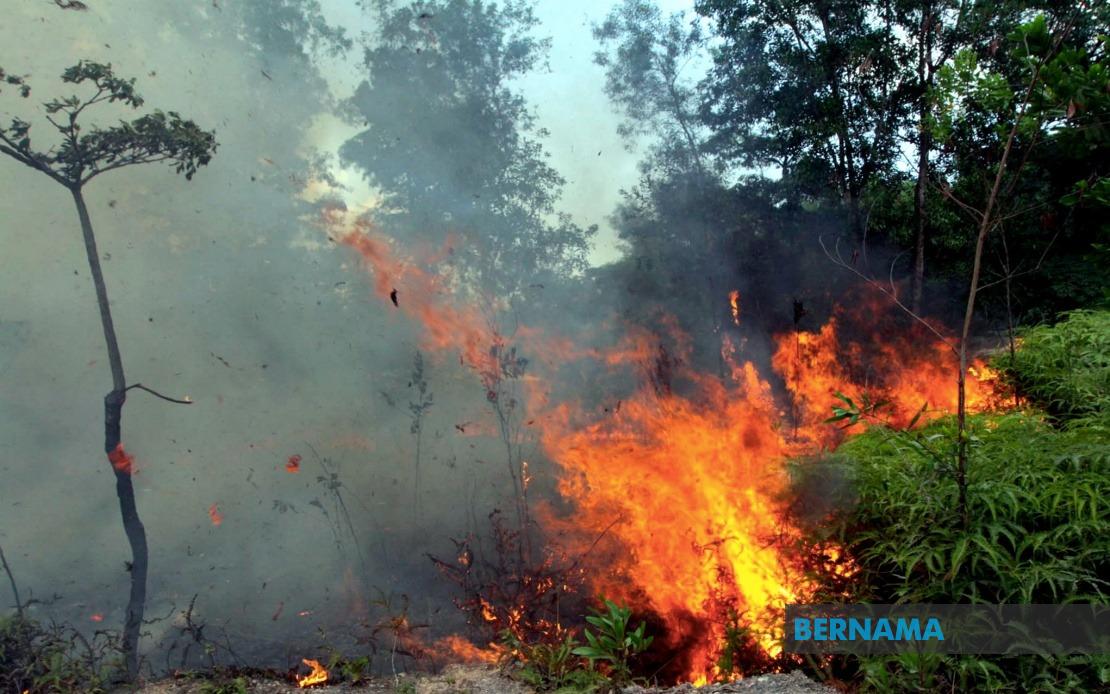
Malaysia's fire authorities are bracing for an escalating crisis as open burning incidents surge to alarming levels, with nearly 18,500 cases logged in the first seven months of the year. The Malaysian Fire and Rescue Department (JBPM) reported 18,432 cases involving forests, shrubland and waste from January through July—a figure that roughly doubles the 9,941 incidents recorded during the corresponding period in 2023. The year-on-year comparison reveals a troubling pattern, as the current tally also exceeds the 16,294 cases documented during the same months two years prior, signalling a concerning upward trajectory in uncontrolled burning activities across the nation.
Director-General Datuk Seri Nor Hisham Mohammad disclosed that his department has escalated its surveillance protocols in response to the deteriorating situation. JBPM has identified 183 locations nationwide that demonstrate a propensity for open burning based on accumulated data spanning five years. This comprehensive mapping effort serves as the foundation for a tiered monitoring system designed to prevent future incidents and improve emergency response capabilities. The exercise reflects recognition among fire officials that reactive deployment, when incidents occur, often proves insufficient to contain fires that have already gained momentum across densely vegetated terrain.
Among the 183 monitored sites, 62 have been designated as particularly critical due to their elevated risk of triggering large-scale conflagrations that could devastate areas exceeding 25 hectares. These large fires present formidable operational challenges for JBPM, as their rapid expansion across expansive territories stretches firefighting resources thin and complicates the deployment of personnel and equipment to multiple fire fronts simultaneously. The identification of these hotspots reflects an institutional acknowledgment that not all burning incidents carry equal danger, and that preventive strategies must concentrate resources where catastrophic outcomes are most probable. Nor Hisham underscored during remarks at the Firefighting Skills Hub that these 62 locations warrant intensive, continuous monitoring to intercept threats before they materialise into major emergencies.
The geographic distribution of burning incidents reveals significant regional disparities that underscore Malaysia's diverse environmental vulnerabilities. Sarawak has emerged as a particular flashpoint, with large-scale fires burning in Sri Aman and Mukah, while Peninsular Malaysia experiences a higher frequency of smaller incidents scattered across numerous locations. This pattern suggests different underlying causes and environmental conditions across regions. Sabah represents another area commanding urgent attention from fire authorities, as its distinctive vegetation composition combined with challenging topography creates ideal conditions for fires to propagate rapidly and resist suppression efforts. The terrain's natural features can funnel flames and enable fires to spread across vast distances before control measures take effect, requiring pre-positioned resources and enhanced preparedness protocols.
Kota Kinabalu has specifically emerged as a concern, with JBPM's 2024 records documenting seven significant fire incidents within its vicinity. These locations have been incorporated into the 62 high-risk areas receiving priority monitoring, reflecting the convergence of past activity patterns and structural vulnerability. The clustering of previous major fires in certain localities provides predictive value for fire management authorities, allowing them to concentrate prevention and preparedness efforts where statistical probability suggests future incidents are most likely to occur. Such data-driven allocation of limited resources represents a pragmatic approach to fire governance in a country facing mounting burning pressures.
Meteorological factors constitute a principal driver of the burning upsurge, according to JBPM leadership. Elevated temperatures in specific regions have substantially elevated fire risk by creating conditions where vegetation dries rapidly and kindling becomes more readily combustible. Heat waves and prolonged dry spells reduce soil moisture content and lower vegetation water stress, transforming landscapes into tinderboxes where sparks propagate into blazes with minimal external assistance. This climatic dimension of the crisis extends beyond JBPM's immediate operational scope, intersecting with broader environmental and climate trends that Malaysia must confront through integrated policy frameworks extending across multiple government agencies.
Looking ahead, fire officials are implementing preemptive strategies to contend with anticipated weather disruptions stemming from the Super El Niño phenomenon. JBPM is undertaking comprehensive preparedness exercises informed by meteorological forecasts predicting the emergence of Super El Niño conditions in the Pacific during November. The department anticipates that Malaysia will experience the secondary effects of this climate pattern approximately three to four weeks into January of the following year. This early mobilisation represents sophisticated institutional planning, leveraging available climate science to position resources and personnel before conditions deteriorate. Historical El Niño episodes have triggered dramatic increases in fire activity across Southeast Asia, making such advance preparation essential to minimising casualties and property loss.
The implications for Malaysia extend beyond immediate fire suppression concerns into broader questions of environmental stewardship and disaster preparedness infrastructure. The escalating burning incidents impose substantial costs on healthcare systems through respiratory illness surge, degrade air quality affecting millions of residents, and carry potential transboundary consequences as smoke drifts across regional borders. Neighbouring countries have repeatedly experienced air quality degradation during episodes of major burning in Malaysia, creating diplomatic tensions and substantive public health impacts. Addressing open burning therefore transcends national boundaries and engages Malaysia's responsibilities as a regional environmental actor.
The JBPM's strategic pivot toward predictive monitoring and climate-informed preparedness signals institutional maturation in fire management practices. Rather than confronting fires solely through post-ignition suppression, authorities increasingly recognise the value of prevention, early warning systems, and resource pre-positioning in high-risk zones. This evolution reflects lessons learned through successive burning seasons and represents measured progress toward more resilient fire governance. However, the escalating case numbers suggest that monitoring and preparedness alone prove insufficient without complementary interventions addressing the underlying causes of open burning, encompassing land use practices, agricultural techniques, and public education regarding fire hazards.

