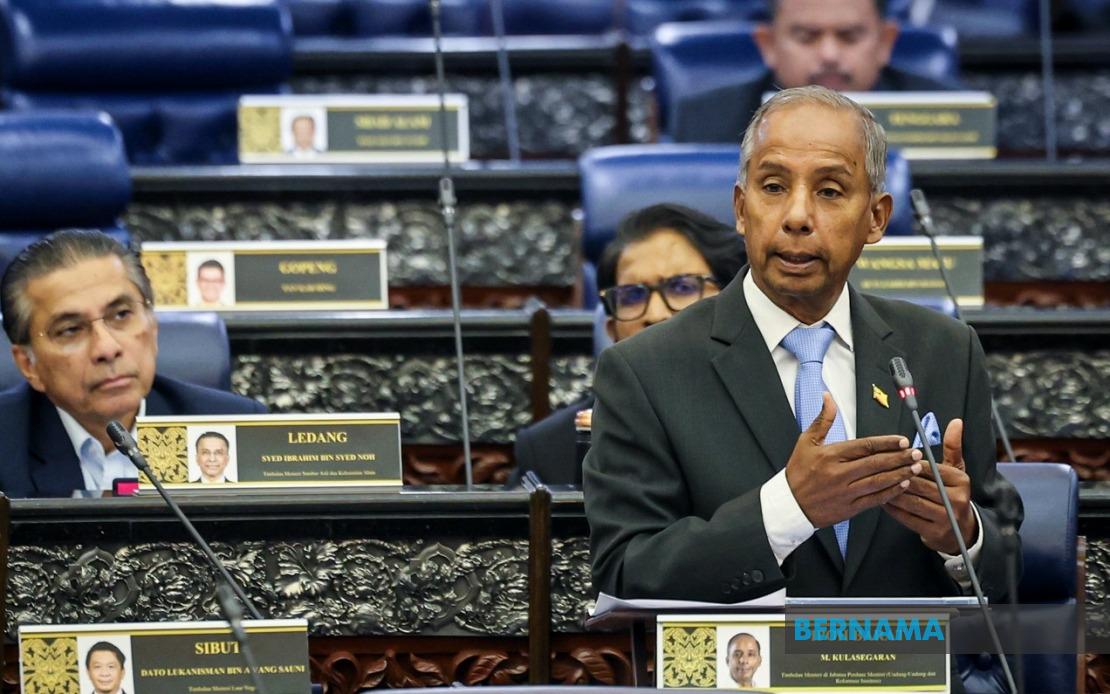
The Malaysian government is undertaking a comprehensive review of Section 97 of the Child Act 2001, seeking to establish more transparent and defined detention periods for individuals convicted of serious crimes while still minors. The initiative reflects growing concerns about indefinite detention without clear release pathways, a problem that has affected dozens of individuals serving sentences under the legislation. Deputy Minister M. Kulasegaran, speaking in Parliament, outlined how a specialized committee formed following the 2023 abolition of mandatory death penalties and life imprisonment has been examining the provision to craft amendments that protect victims and society while enabling rehabilitation opportunities.
The statutory framework currently mandates that courts order detention at the pleasure of the King or Yang di-Pertua Negeri for individuals convicted of capital offences who were children at the time of their crimes. While this removed the prospect of execution for juvenile offenders, it created a legal vacuum regarding sentence duration. Offenders have remained in prison indefinitely without knowledge of potential release dates, creating a humanitarian concern highlighted during parliamentary scrutiny. The review represents an attempt to modernize custodial provisions that have struggled to adapt to contemporary expectations around children's rights and rehabilitation principles.
Kulasegaran's observations from recent prison visits in Semporna and Sandakan illustrated the human cost of ambiguous detention standards. He described encountering an individual who has served approximately 25 years imprisonment after entering the system at age 17, remaining disconnected from decades of technological and social change. Such cases demonstrate how indefinite detention can function as de facto life imprisonment despite statutory language suggesting otherwise. The Deputy Minister's emphasis on these encounters suggests the government recognizes that policy clarity is not merely a technical legal matter but a substantive human rights concern affecting real individuals trapped in prolonged custody.
Current data indicates that 40 individuals remain detained under Section 97 of the Child Act 2001, representing a concentrated but significant population experiencing ambiguous sentence structures. This cohort encompasses offenders convicted of serious crimes including murder, with ages at conviction ranging across adolescence. The extended periods served by many suggest that judicial practice has not provided consistent pathway mechanisms, leaving determinations of release entirely discretionary and unpredictable. Understanding this population's specific circumstances—including rehabilitation progress, behavioral records, and institutional adjustment—remains critical to designing effective legislative amendments.
Malaysia's international obligations under the Convention on the Rights of the Child significantly influence the review's direction. The CRC emphasizes that detention of minors must be a last resort and implemented for the shortest appropriate period, with rehabilitation and reintegration as primary objectives. The government's stated commitment to balancing justice for victims, public safety concerns, and children's welfare suggests policymakers are attempting to navigate genuine tensions between competing interests. International human rights monitoring bodies have increasingly scrutinized jurisdictions maintaining indefinite juvenile detention frameworks, creating diplomatic pressure for reform alongside domestic advocacy.
The committee process has reportedly involved multiple meetings and consultation with relevant stakeholders, though specific details remain limited. Involvement of justice officials, correctional administrators, child welfare experts, and legal specialists would be typical for such reviews. The committee's deliberations likely weigh competing concerns: certainty for offenders enables rehabilitation planning and psychological stability, whilst victims' representatives and security officials may resist perceived softening of sentences. Achieving consensus across these constituencies typically requires compromise propositions that satisfy divergent priorities without appearing to diminish accountability.
Section 97 amendments could take several forms, from establishing maximum detention periods with review mechanisms to creating age-weighted sentencing frameworks or parole eligibility structures. Alternative approaches might implement mandatory periodic reviews at fixed intervals, allowing assessments of rehabilitation progress and reintegration readiness. Some jurisdictions have adopted approaches where juvenile offenders serve determinate sentences calculated from age-adjusted formulas, ensuring both sentence proportion and ultimate release certainty. The committee's recommendations will likely reflect Malaysia's constitutional framework, existing sentencing philosophies, and resource availability within correctional and rehabilitation systems.
Implementing fixed detention periods raises practical questions about supervision, parole infrastructure, and community reintegration support. Malaysia's existing conditional release and probation systems would require expansion or modification to accommodate juvenile offenders transitioning from long-term custody. Employment assistance, education completion, housing support, and psychological counseling become essential to prevent recidivism, particularly for individuals who spent formative years institutionalized. The financial and administrative implications extend beyond legislative amendment, requiring whole-of-government commitment to rehabilitation infrastructure.
The review also reflects broader regional developments in juvenile justice reform. Several Southeast Asian nations have reconsidered capital punishment frameworks, with neighbouring jurisdictions similarly grappling with detention standards for young offenders. Singapore, Thailand, and Indonesia face comparable pressures to modernize provisions inherited from colonial-era legislation whilst maintaining crime prevention capabilities. Malaysia's deliberations potentially establish precedents affecting regional advocacy and comparative jurisprudence across the Association of Southeast Asian Nations.
Culasegaran's parliamentary statements emphasized the MADANI government's commitment to human rights obligations alongside crime prevention, positioning reform as principled rather than permissive. This framing attempts to address victim advocacy concerns while acknowledging rehabilitative imperatives. The Deputy Minister's personal engagement with detained individuals and prison facilities suggested genuine organizational commitment beyond rhetorical positioning. Parliament's engagement through questioning indicates that the amendment process is receiving legislative scrutiny, reducing prospects for reform that lacks substantial grounding in stakeholder consensus.
The timeline for amendments remains unclear, though the Deputy Minister's reference to committee decisions arriving imminently suggests legislative proposals may emerge within months rather than years. Parliamentary drafting processes typically require careful attention to constitutional consistency, interaction with other legislative provisions, and implementation mechanisms. If amendments proceed efficiently through parliamentary committees and readings, substantive changes could potentially be enacted before the end of the parliamentary term, though legislative calendars often prove unpredictable.
For Malaysia's correctional system and broader society, successful reform requires maintaining public confidence while implementing genuine rehabilitation. The visibility of the current review demonstrates governmental responsiveness to human rights concerns and legislative pressure. However, delivering amendments that satisfy justice victims, protect communities, and enable rehabilitation while managing detained individuals' reintegration will test policymaking capacity substantially. The outcome will significantly influence whether Section 97 becomes a framework enabling rehabilitation or whether indefinite detention persists through legislative ambiguity.

