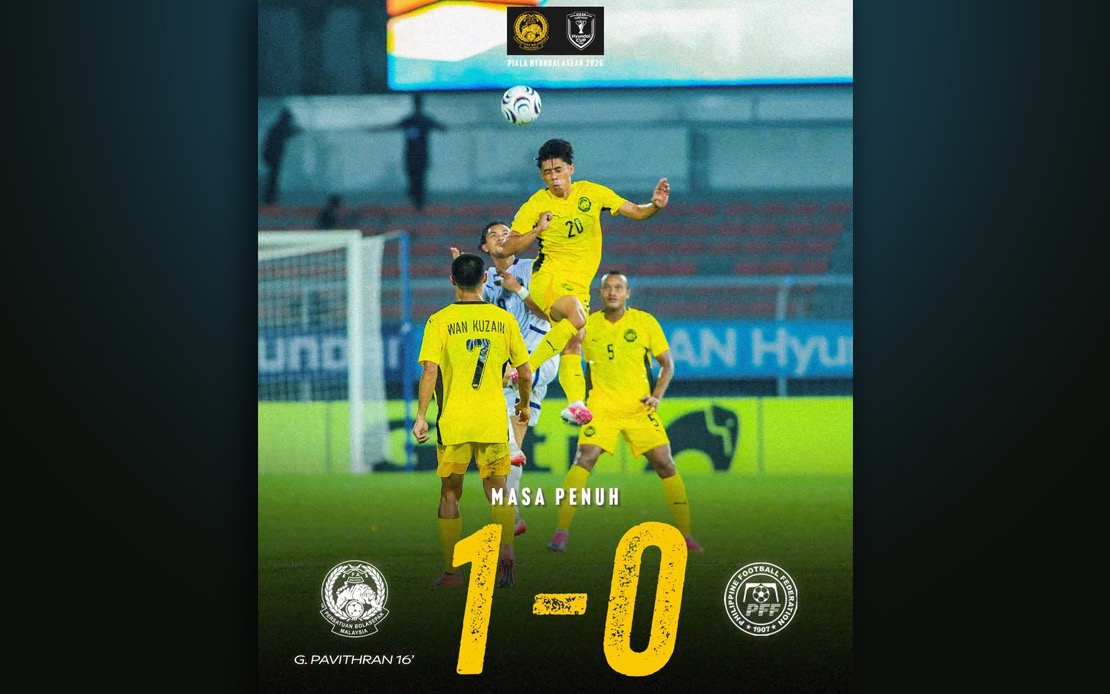
Malaysia has advanced to the semi-finals of the 2026 ASEAN Cup following a decisive 1-0 victory over the Philippines in their final Group B encounter. The match, held at the Kuala Lumpur Football Stadium in Cheras on August 8, saw interim head coach Tan Cheng Hoe's squad deliver a commanding performance that ultimately sealed their passage to the knockout stage of the regional championship.
The victory proved crucial for Malaysia's campaign, as they finished the group phase with nine points—enough to secure the runner-up position in Group B. This ensured their advancement alongside group winners Thailand, who accumulated 12 points from their matches. The result eliminates any doubts about Malaysia's progression and sets up an intriguing semi-final encounter against the tournament's defending champions. For Malaysian football supporters and officials, the achievement represents a significant milestone after a competitive group stage featuring some of Southeast Asia's strongest footballing nations.
The match itself unfolded with Malaysia establishing control early through purposeful attacking play. In the 16th minute, the breakthrough came when midfielder Wan Kuzain Wan Ahmad Kamal delivered a precise cross into the Philippines penalty area. Central defender G. Pavithran was alert to the opportunity, rising above his markers to head the ball past the Philippines goalkeeper and provide Malaysia with a crucial opening goal. The strike galvanized the home crowd, with the stadium's 18,000 capacity filled by passionate supporters dressed in the national colours of black and yellow, creating an intimidating atmosphere for their opponents.
Following this early advantage, Malaysia's players demonstrated tactical discipline and defensive solidity throughout the first half. Rather than pursuing additional goals recklessly, the team maintained their shape and pressed intelligently when possession switched to the Philippines. Coach Carles Cuadrat's Philippine squad responded by elevating their intensity in search of an equaliser, but Malaysia's midfield and defensive lines proved difficult to breach, preventing any clear-cut opportunities before the interval.
The second half witnessed the Philippines emerge with greater urgency and attacking intent as they sought to level the score. Despite sustained pressure and numerous forays into Malaysian territory, the visitors struggled to unlock a resolute Malaysian defence anchored by captain Paulo Josue. The seasoned centre-back's leadership and positioning proved instrumental in thwarting the opposition's advances, while his teammates maintained their defensive concentration despite prolonged periods of Philippines possession.
Malaysia had opportunities to extend their lead during the latter stages of the match. Most notably, in the 85th minute, G. Pavithran came close to doubling Malaysia's advantage when he received a low cross in front of the Philippines penalty area. However, his attempt to convert the chance was blocked by Philippines defender Jaime Rosquillo, denying the Malaysian striker what would have been a more decisive scoreline. This missed opportunity could have significantly shifted the psychological dynamic, though Malaysia's existing lead ultimately proved sufficient to see the match through to conclusion.
The Philippines' inability to find a breakthrough despite their second-half dominance illustrates the competitive nature of the tournament and the importance of taking early chances. For Malaysian fans and observers, the victory represents not just progression but also evidence of improving defensive resilience and tactical maturity under interim management. The team's capacity to absorb pressure while maintaining a clean sheet suggests they possess the organisational depth required to challenge stronger opponents in subsequent rounds.
Thailand's parallel success in Group B, with their 2-0 victory over Myanmar played earlier in the evening, confirmed both nations' advancement as group winners and runners-up respectively. The War Elephants' commanding performance underscored their status as a formidable force in the tournament, having now collected maximum points from their group-stage matches. This sets the stage for what promises to be a fascinating semi-final configuration that will pit Malaysia against Vietnam across two legs.
The semi-final matchup against Vietnam carries considerable significance for Malaysian football. Vietnam's status as defending champions reflects their recent dominance in regional competitions, and they topped Group A to secure their own knockout berth. The two-legged format, scheduled for August 16 and August 19, offers Malaysia both home and away opportunities to make their case for a place in the final. The August 16 fixture will almost certainly take place on Malaysian soil, providing the home side the advantage of crowd support and familiarity with conditions.
For Malaysian football strategists, the semi-final presents both challenges and opportunities. Vietnam's championship pedigree demands maximum respect, yet Malaysia's home advantage in the first leg cannot be underestimated in a regional competition where crowd support frequently influences outcomes. The team's current form, bolstered by this comprehensive group-stage performance, provides reasonable confidence heading into these crucial matches. The combination of defensive solidity demonstrated against the Philippines with improved attacking coordination could prove decisive in what looms as one of the tournament's most compelling fixtures.
The progression also reflects the broader evolution of Malaysian football over recent seasons, with the national team demonstrating increasing competitiveness at the ASEAN Cup level. Coach Tan Cheng Hoe's interim stewardship has stabilised the squad during what could have been an uncertain transitional period, and their performance in Group B suggests the programme retains momentum and credibility. Malaysian supporters can now turn their attention toward the semi-final with genuine hope of advancement, setting up potential encounters with either Thailand or other top regional sides in subsequent stages.

