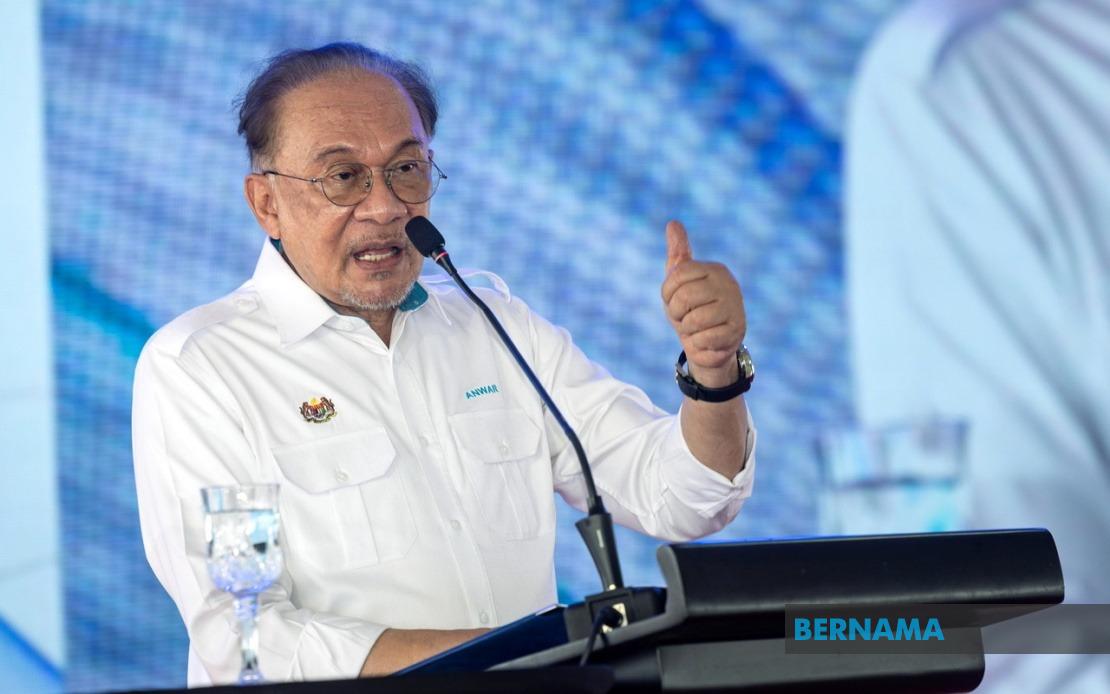
Prime Minister Datuk Seri Anwar Ibrahim has announced that Malaysia's partnership with Russia and Turkmenistan will provide substantial energy security benefits extending well into the coming decades. Speaking at the groundbreaking ceremony for the Setia Fontaines Industrial Park in Kepala Batas, Anwar outlined the significance of these bilateral arrangements in addressing the country's long-term energy requirements and economic development strategy.
The cornerstone of Malaysia's energy security rests on an agreement reached during Anwar's recent visit to Russia. During discussions in Kazan with Russian President Vladimir Putin, Malaysia was offered a long-term supply arrangement spanning at least 20 years for oil, gas and diesel products. This commitment reflects a deepening relationship between the two nations and underscores Russia's willingness to engage in sustained economic partnerships beyond the immediate geopolitical tensions affecting energy markets globally. The assurance from Putin, conveyed directly to the Malaysian leadership, signals confidence in the stability and reliability of bilateral trade relations.
The Turkmenistan engagement has yielded even more substantial gains for Malaysia's energy portfolio. Following Anwar's official visit to the Central Asian nation, Turkmenistan granted Malaysia unprecedented access to its oil and gas sector. This development is strategically significant given that Turkmenistan possesses one of the world's largest natural gas reserves. The approval represents a major diplomatic breakthrough that transforms Malaysia's position as an energy consumer, potentially stabilizing domestic energy costs and manufacturing competitiveness over the long term.
The genesis of the Turkmenistan partnership traces back to December 2024, when Turkmenistan President Serdar Berdimuhamedov visited Malaysia. That diplomatic engagement initiated substantive negotiations that have now culminated in expanded energy access. The trajectory from state visit to concrete sectoral agreements demonstrates the practical benefits of sustained bilateral engagement at the highest political level. Malaysia's cultivation of this relationship reflects a broader strategic pivot toward diversifying energy sources beyond traditional suppliers.
Access to Turkmenistan's vast gas reserves carries implications that extend far beyond Malaysia's domestic consumption needs. The Prime Minister emphasized that Malaysia can leverage this arrangement to increase energy exports to major Asian economies including China, Japan and South Korea. These markets face chronic energy deficits and competition for reliable supplies remains fierce. By securing preferential access to Turkmenistan's resources, Malaysia positions itself as a potential intermediary and trader in Asian energy markets, creating value-added opportunities in logistics, refining and energy trading services.
The economic ramifications for Malaysia are multifaceted. Energy security directly influences manufacturing competitiveness, particularly for petrochemical industries and heavy manufacturing sectors that are energy-intensive. Stable, long-term energy contracts reduce price volatility in input costs, enabling Malaysian manufacturers to offer competitive pricing in global markets. The certainty of supply over two decades also provides confidence to investors considering long-term operations in Malaysia, particularly in energy-dependent industries seeking production stability.
From a geopolitical perspective, Malaysia's strengthened energy partnerships with Russia and Turkmenistan reflect the country's pragmatic approach to international relations. Rather than aligning rigidly with Western-led energy frameworks, Malaysia has pursued diversified sourcing that prioritizes national interest over ideological alignment. This strategy acknowledges that energy security is fundamental to economic stability and that reliable partnerships transcend temporary political disputes. The agreements embody Anwar's assertion that nations should leverage international relations strategically to safeguard vital interests.
The timing of these energy agreements carries particular significance for Southeast Asia. As regional economies navigate post-pandemic recovery and face inflationary pressures, energy costs remain a critical vulnerability. Malaysia's successful negotiation of long-term supply contracts at stable prices creates a competitive advantage for the nation's manufacturing and export sectors. Furthermore, Malaysia's new role as a potential energy transit hub between Central Asia and major Asian markets could generate substantial transit fees and service revenues.
For Malaysian consumers and businesses, the practical impact involves greater price predictability and reduced exposure to global energy market volatility. Manufacturing sectors dependent on stable energy inputs can plan long-term investments with greater certainty. Domestic electricity generation capacity benefits from assured fuel supplies, reducing pressure for rapid tariff increases. The agreements also support Malaysia's energy transition agenda by providing stable baseload energy supplies while renewable capacity is developed, avoiding the trap of rapid fossil fuel depletion that could force hasty energy policy shifts.
The energy partnerships also strengthen Malaysia's hand in regional diplomatic and economic negotiations. Countries seeking Malaysian cooperation on various issues face a more stable and economically confident partner. The energy security foundation supports broader strategic autonomy in foreign policy, reducing dependency on any single power or alliance structure. This positioning aligns with Malaysia's traditional non-aligned foreign policy orientation while delivering concrete economic benefits.
Looking forward, the sustainability of these arrangements depends on maintaining strong diplomatic channels and fulfilling reciprocal obligations to both Russia and Turkmenistan. Malaysia's capacity to absorb and efficiently utilize increased energy supplies will also require corresponding investments in storage, refining and distribution infrastructure. The government has implicitly signaled commitment to these partnerships through high-level diplomatic engagement, suggesting this represents a cornerstone of Malaysia's energy policy for the medium term.
The announcements effectively signal to international investors and trading partners that Malaysia has addressed a fundamental constraint on economic expansion. Energy-intensive industries considering regional investments will view Malaysia more favorably given the security of supply framework now in place. The diversification of supply sources away from conventional Middle Eastern suppliers also reduces geopolitical risk exposure, insulating Malaysia from disruptions affecting other regional importers. These energy agreements thus represent not merely commercial contracts but strategic infrastructure for Malaysia's economic development agenda.
%22%2F%3E%3C%2Fpattern%3E%3C%2Fdefs%3E%3Crect%20width%3D%22100%25%22%20height%3D%22100%25%22%20fill%3D%22url(%23ph366w1g)%22%2F%3E%3Crect%20width%3D%22100%25%22%20height%3D%22100%25%22%20fill%3D%22url(%23ph366w1p)%22%2F%3E%3Ctext%20x%3D%2250%25%22%20y%3D%2250%25%22%20text-anchor%3D%22middle%22%20dominant-baseline%3D%22central%22%20fill%3D%22rgba(255%2C255%2C255%2C0.95)%22%20font-family%3D%22Georgia%2C%20'Times%20New%20Roman'%2C%20serif%22%20font-weight%3D%22700%22%20font-size%3D%22320%22%20letter-spacing%3D%22-0.02em%22%3ETV3%3C%2Ftext%3E%3C%2Fsvg%3E)
%22%2F%3E%3C%2Fpattern%3E%3C%2Fdefs%3E%3Crect%20width%3D%22100%25%22%20height%3D%22100%25%22%20fill%3D%22url(%23ph50o6fg)%22%2F%3E%3Crect%20width%3D%22100%25%22%20height%3D%22100%25%22%20fill%3D%22url(%23ph50o6fp)%22%2F%3E%3Ctext%20x%3D%2250%25%22%20y%3D%2250%25%22%20text-anchor%3D%22middle%22%20dominant-baseline%3D%22central%22%20fill%3D%22rgba(255%2C255%2C255%2C0.95)%22%20font-family%3D%22Georgia%2C%20'Times%20New%20Roman'%2C%20serif%22%20font-weight%3D%22700%22%20font-size%3D%22170%22%20letter-spacing%3D%22-0.02em%22%3EMalaysia%3C%2Ftext%3E%3C%2Fsvg%3E)
%22%2F%3E%3C%2Fpattern%3E%3C%2Fdefs%3E%3Crect%20width%3D%22100%25%22%20height%3D%22100%25%22%20fill%3D%22url(%23ph5vazwg)%22%2F%3E%3Crect%20width%3D%22100%25%22%20height%3D%22100%25%22%20fill%3D%22url(%23ph5vazwp)%22%2F%3E%3Ctext%20x%3D%2250%25%22%20y%3D%2250%25%22%20text-anchor%3D%22middle%22%20dominant-baseline%3D%22central%22%20fill%3D%22rgba(255%2C255%2C255%2C0.95)%22%20font-family%3D%22Georgia%2C%20'Times%20New%20Roman'%2C%20serif%22%20font-weight%3D%22700%22%20font-size%3D%22170%22%20letter-spacing%3D%22-0.02em%22%3EMalaysia%3C%2Ftext%3E%3C%2Fsvg%3E)