Malaysia has formally entered the race to reclaim a seat at the United Nations Security Council, submitting its official candidacy for the 2036–2037 term as a non-permanent member. The move signals Kuala Lumpur's continued ambition to play a meaningful role in shaping global security architecture and pushing through structural reforms that have long been contentious within the international community.
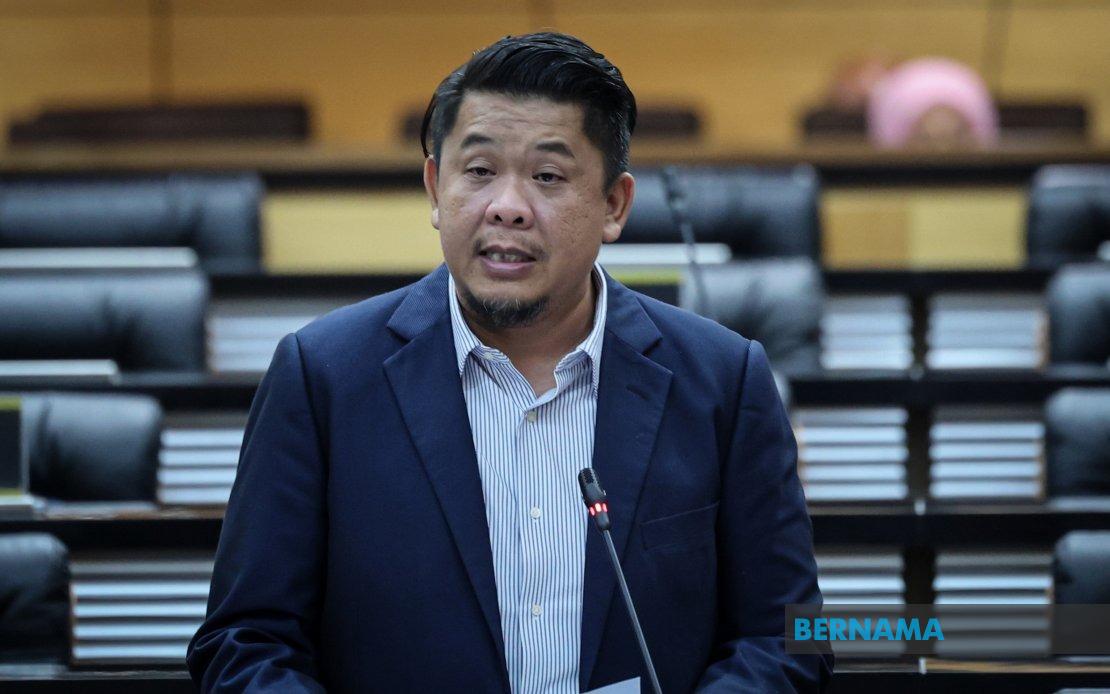
Deputy Foreign Minister Datuk Lukanisman Awang Sauni made the announcement, emphasising that Malaysia views its potential return to the UNSC as a platform to advance several interconnected objectives. Chief among these is the fundamental reformation of the Security Council itself, with the abolition of veto power representing Malaysia's most prominent policy goal. This stance reflects growing frustration among middle-power nations and developing countries over how the permanent five members—China, France, Russia, the United Kingdom, and the United States—wield disproportionate influence through their ability to block resolutions unilaterally.
The timing of Malaysia's candidacy submission underscores the country's strategic positioning in contemporary global affairs. With the 81st UN General Assembly scheduled to convene in New York this September, Foreign Minister Datuk Seri Mohamad Hasan plans to deliver Malaysia's formal statement, reiterating the nation's position on UNSC reform as a cornerstone of its foreign policy agenda. This high-profile forum provides an ideal opportunity to galvanise support among like-minded nations and build diplomatic momentum ahead of the 2036 election cycle.
Malaysia's particular concern centres on the manner in which veto power has been deployed in recent global crises, with the deputy foreign minister explicitly referencing the conflict in Gaza as a case study. The nation argues that the veto mechanism should be abolished entirely, or at minimum, suspended in situations involving egregious violations of international law. This category encompasses war crimes, genocide, crimes against humanity, and the deliberate targeting of civilian infrastructure—offences that demand immediate and unobstructed Security Council intervention rather than being subject to political obstruction by permanent members.
The candidacy also reflects Malaysia's broader commitment to advancing global peace and security initiatives, dimensions that sit alongside institutional reform in the government's foreign policy hierarchy. By positioning itself as a principled advocate for both structural change and substantive peace-building efforts, Malaysia hopes to appeal to the broader UN membership and distinguish itself from other potential contenders for non-permanent seats.
During parliamentary question-and-answer sessions, Datuk Seri Sh Mohmed Puzi Sh Ali from BN-Pekan specifically raised the issue of veto power imbalances, prompting the deputy foreign minister's comprehensive response. This legislative engagement demonstrates how Malaysia's UNSC ambitions have become integrated into domestic political discourse, with parliamentarians holding the executive accountable for articulating and advancing these positions with sufficient vigour and clarity.
Malaysia's previous tenure on the UNSC provides relevant historical context. The country has served as a non-permanent member before, gaining experience in navigating the complex dynamics of multilateral security deliberations. This prior exposure gives Malaysian diplomats practical familiarity with UNSC procedures and protocols, potentially enhancing their effectiveness should the 2036 candidacy succeed. The fifteen-year gap since Malaysia's last term also suggests that returning now would position the nation as a voice for reform within an institution that faces mounting pressure from developing nations and emerging powers questioning its continued relevance and legitimacy.
The emphasis on veto abolition represents more than rhetorical posturing. Malaysia's stance aligns with broader sentiment among numerous African, Asian, and Latin American nations that view the current Security Council structure as a vestige of post-World War II power distributions that no longer reflect contemporary geopolitical reality. By championing this cause, Malaysia may position itself as a standard-bearer for reformist sentiment, potentially attracting support from countries similarly frustrated with permanent member obstruction of humanitarian interventions and peace operations.
For Southeast Asian readers, Malaysia's candidacy carries regional implications. The country's seat would provide a platform to advocate for regional interests during security discussions, particularly those involving maritime disputes, counterterrorism operations, and transnational challenges affecting the Association of Southeast Asian Nations. Malaysia could serve as a critical voice articulating Southeast Asian perspectives in deliberations that might otherwise overlook regional nuances and concerns.
The submission also demonstrates Malaysia's confidence in its diplomatic credentials and international standing. In an era of intensifying great power competition and shifting global alignments, Kuala Lumpur is signalling that it intends to remain an active participant in shaping international norms and institutions rather than adopting a passive observer role. This reflects a deliberate strategic calculation that engaging substantively with global governance structures serves Malaysia's national interests more effectively than disengagement.
Looking ahead, Malaysia's campaign for the 2036 seat will require careful diplomatic cultivation. The country must build coalitions among UN member states, articulate compelling narratives about its capacity to contribute constructively to security deliberations, and maintain consistent messaging on its reform agenda throughout the coming years. The submission of candidacy represents merely the opening move in what will be an extended diplomatic engagement.

