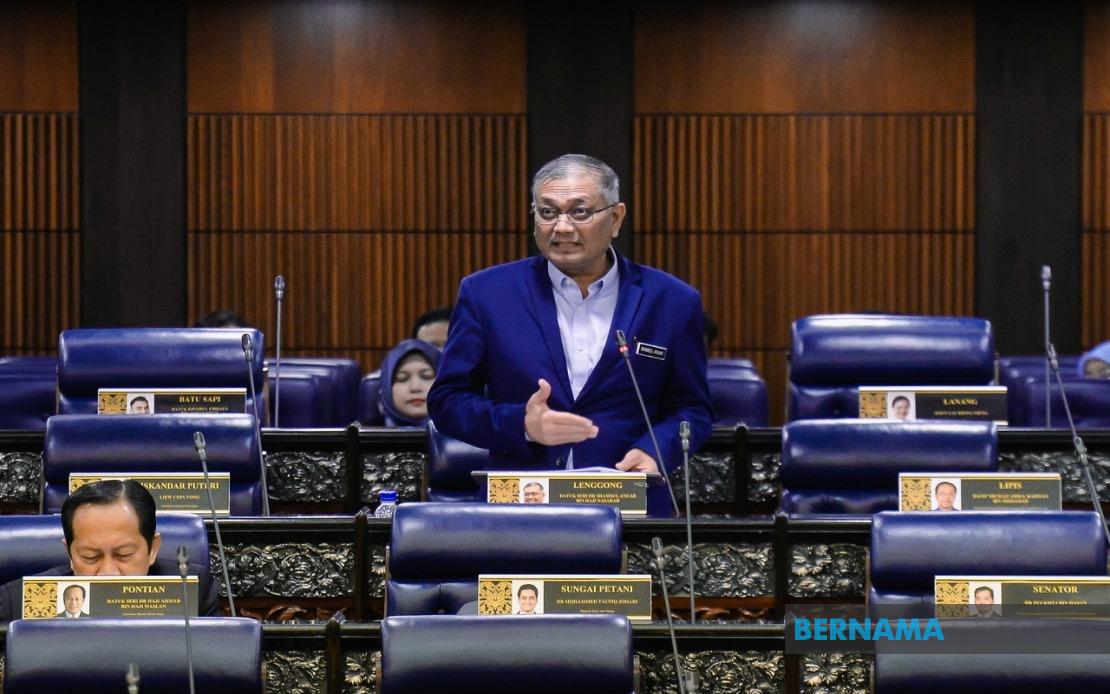
Malaysian authorities have intensified their battle against illegal cryptocurrency mining operations, dismantling a significant portion of the underground digital asset infrastructure that has proliferated across the country. Deputy Home Minister Datuk Seri Dr Shamsul Anuar disclosed that enforcement agencies have confiscated more than 75,000 mining machines during over 3,000 raids conducted nationwide from 2022 through May this year, resulting in 629 arrests. The revelation underscores the scale of the problem facing authorities as criminal syndicates and individual operators continue to exploit Malaysia's relatively affordable electricity and geographic advantages to extract cryptocurrencies illegally.
The coordinated crackdown represents a multi-agency effort that extends beyond traditional law enforcement. Tenaga Nasional Berhad, the national power utility, has partnered with the Royal Malaysia Police, local authorities, and other government bodies to identify and dismantle mining operations that tap into the electrical grid through unauthorised connections. This collaboration is significant because illegal mining operations impose substantial costs on TNB and, by extension, legitimate consumers who ultimately bear the financial burden through higher electricity rates or system inefficiencies. The partnership demonstrates recognition at the highest levels that addressing cryptocurrency mining requires expertise spanning law enforcement, technical infrastructure management, and regulatory oversight.
The Home Ministry's enforcement strategy has evolved to incorporate more sophisticated detection and response mechanisms. Officials have prioritised intelligence gathering and technology deployment to map potential hotspots where illegal mining activity concentrates before launching operations. This proactive approach represents a shift from reactive raids toward anticipatory enforcement, enabling authorities to allocate resources more efficiently and execute more targeted interventions. The emphasis on speed and precision reflects lessons learned from previous operations and suggests that authorities are adapting to the increasingly sophisticated methods employed by mining syndicates to evade detection.
Understanding the motivation behind illegal cryptocurrency mining is essential to grasping why the problem persists despite significant enforcement efforts. The deputy minister acknowledged that strong market demand for digital assets and the substantial profits generated from price fluctuations drive participation in mining activities. The cryptocurrency market's volatility creates powerful financial incentives for operators willing to risk legal consequences, particularly in jurisdictions where penalties may be considered relatively modest compared to potential earnings. This economic calculus means that enforcement alone cannot fully deter participation; addressing the phenomenon requires complementary strategies that tackle underlying economic motivations.
Central to many illegal mining operations is the theft of electricity, a tactic that dramatically improves profit margins by removing one of the largest operating expenses. Mining machines consume enormous quantities of power, and accessing electricity through unauthorised connections or meter tampering allows operators to reallocate costs away from themselves and onto the broader electrical system. This dimension of illegal mining extends the harm beyond mere regulatory violations into the realm of theft and fraud against the state-owned utility and, indirectly, against all Malaysian consumers who depend on reliable and affordable power.
Malaysia's regulatory framework distinguishes between permissible and prohibited forms of engagement with digital assets. While cryptocurrency ownership and trading are legally permitted in Malaysia, the government does not recognise cryptocurrencies as legal tender, limiting their function in the formal economy. More critically for the enforcement challenge, cryptocurrency mining activities are classified as illegal specifically when they involve unauthorised electrical connections, meter interference, power supply system disruption, or operation without required licences. This definitional clarity provides authorities with legal grounds for prosecution but also highlights that not all mining activity is inherently unlawful—only operations that circumvent regulatory requirements or engage in theft.
Regulatory responsibility for digital assets in Malaysia is distributed across multiple agencies according to their respective jurisdictions and expertise. The Securities Commission Malaysia oversees digital assets under applicable legislation, positioning itself as the primary regulator for the cryptocurrency sector's broader ecosystem. Bank Negara Malaysia maintains oversight of financial stability, payment systems integrity, and compliance with anti-money laundering regulations. This institutional separation reflects global best practices for managing digital asset regulation but also creates coordination challenges when enforcement action requires rapid inter-agency communication and shared intelligence.
The enforcement campaign reveals patterns in how illegal mining networks establish themselves within Malaysia's geography and electrical infrastructure. Certain regions have emerged as hotspots where operators concentrate their machines, typically in areas where electrical infrastructure vulnerabilities or governance gaps facilitate illegal connections. Manufacturing zones, rural areas with lower surveillance intensity, and districts with less robust local government enforcement mechanisms have all proven attractive to mining syndicates. Understanding these geographical patterns allows authorities to deploy resources strategically and provides local governments with data to strengthen their own monitoring capabilities.
For Malaysia's energy sector and consumers, the consequences of large-scale illegal mining extend beyond the immediate loss of billions of ringgit in stolen electricity. The drain on TNB's generating capacity and distribution infrastructure creates systemic instability that can compromise service reliability for legitimate consumers and businesses. Additionally, the presence of heavy, uncontrolled electrical loads in mining facilities creates fire hazards and other safety risks that endanger surrounding communities. Several mining operations discovered by authorities have posed serious environmental and safety concerns, including risk of electrocution and property damage from poorly installed electrical systems.
The persistence of illegal mining despite substantial enforcement efforts suggests that authorities face an ongoing challenge requiring sustained commitment and adaptive strategies. As mining technology evolves and becomes more efficient, the profitability of operations increases even as detection technologies improve. This dynamic creates a perpetual enforcement arms race where authorities must continuously enhance their capabilities to maintain effectiveness. The Home Ministry's emphasis on intelligence gathering and technology deployment indicates recognition that traditional raid-based enforcement alone cannot adequately suppress an activity that can relocate quickly and adapt its operational methods.
Regional context adds another dimension to Malaysia's cryptocurrency mining challenges. Southeast Asia has emerged as a global cryptocurrency mining hub, with several nations hosting significant infrastructure. Malaysia's position within this regional ecosystem, combined with its relatively stable electricity supply and competitive costs compared to some neighbours, makes it an attractive jurisdiction for mining operations. This regional dimension means that disrupting illegal mining in Malaysia requires not only domestic enforcement but also coordination with regional partners to prevent displaced operations from simply moving across borders.
Looking forward, the Home Ministry's approach suggests a commitment to maintaining enforcement pressure while developing longer-term regulatory strategies. The coordination between TNB and law enforcement offers a model for how state-owned enterprises can contribute to regulatory compliance through operational intelligence. However, sustained success will likely require complementary efforts to address demand-side factors, including public awareness campaigns, educational initiatives about cryptocurrency risks, and continued refinement of Malaysia's broader digital asset regulatory framework to make legal pathways for legitimate participants clearer and more accessible.
The seizure of 75,000 mining machines represents tangible progress in reclaiming electrical infrastructure from illegal use, but the scale of the operation also reflects the magnitude of the underlying problem. Each machine confiscated removes productive capacity from an illegal network, reduces pressure on TNB's systems, and eliminates a source of stolen electricity. Yet the authorities' acknowledgment that operations continue despite three years of intensive enforcement suggests that addressing illegal cryptocurrency mining in Malaysia requires a comprehensive strategy combining enforcement innovation, regulatory clarity, and international cooperation to remain effective in an evolving digital economy.

