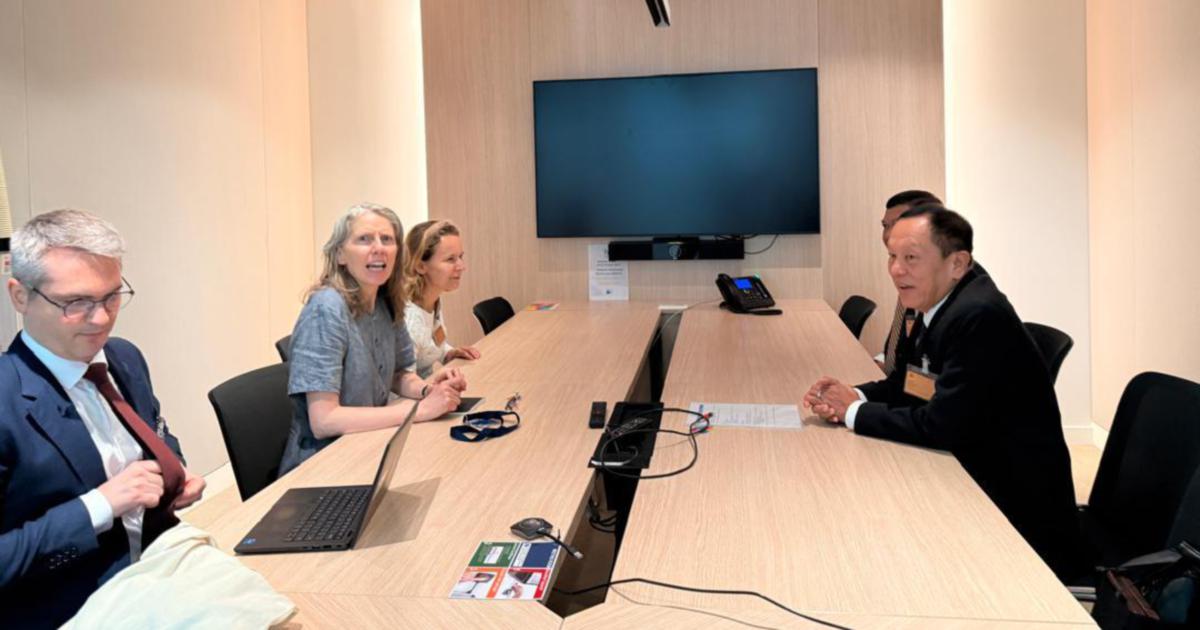
The Malaysian Anti-Corruption Commission (MACC) has brought the nation's hard-won expertise in recovering funds siphoned through the 1Malaysia Development Bhd scandal to an international audience at a major OECD anti-corruption gathering in Paris. This participation reflects how Malaysia has transformed a deeply damaging financial crisis into a source of practical knowledge for the global community working to combat sophisticated corruption schemes.
The 1MDB debacle, which emerged as one of the largest financial fraud cases globally, resulted in the misappropriation of billions of ringgit from a state investment vehicle. The fallout extended across continents, implicating international financial institutions and individuals in multiple jurisdictions. Malaysia's subsequent recovery efforts have since become a case study in how determination, regulatory reform, and international cooperation can retrieve assets diverted through complex financial networks spanning multiple countries and banking systems.
By presenting this experience at the OECD forum, Malaysian authorities are positioning the country as an active contributor to international anti-corruption standards and practices. The decision to participate demonstrates Malaysia's commitment to the broader anti-bribery convention framework that the OECD maintains, and it underscores the value of sharing real-world examples of successful asset tracing and recovery with peer nations facing similar challenges.
The recovery process has required Malaysian agencies to navigate intricate cross-border legal procedures, negotiate with foreign governments, and coordinate with international law enforcement bodies. These efforts have yielded tangible results, with substantial amounts recovered from jurisdictions including the United States, Singapore, and Switzerland. The experience has provided the MACC and other Malaysian institutions with insights into identifying hidden assets, understanding shell company structures, and working effectively within international legal frameworks that other nations grappling with corruption can benefit from.
For Southeast Asian readers, Malaysia's participation in this dialogue carries particular significance. The region faces its own anti-corruption challenges, with various countries implementing efforts to combat illicit financial flows and asset misappropriation. Malaysia's willingness to share lessons learned offers regional peers practical guidance on establishing mechanisms for recovery and building institutional capacity to detect and pursue complex financial crimes.
The OECD anti-bribery convention represents a critical pillar of global governance aimed at curbing corrupt practices in international business and governance. Malaysia's inclusion in these discussions elevates its standing within this international framework and demonstrates that the country is not merely a subject of anti-corruption scrutiny, but an active participant in shaping solutions. This shift in perception is important for Malaysia's international reputation and its attractiveness to global investors who value strong governance standards.
The assets recovered from the 1MDB scandal have been repatriated to Malaysia's government coffers, strengthening public finances that had been substantially depleted. Beyond the financial recovery, the case has catalysed institutional reforms within Malaysia's financial regulatory system, including enhanced oversight mechanisms and improved transparency requirements for major financial transactions. These systemic improvements provide additional value that extends across future financial activities and help prevent similar schemes from taking root.
International cooperation has been central to Malaysia's recovery success. Nations that might otherwise have protected assets based on banking secrecy or other confidentiality provisions have agreed to collaborate with Malaysian authorities. This cooperation was facilitated by Malaysia's demonstration of credible investigation, adherence to due process, and commitment to targeting specific criminal conduct rather than pursuing broad asset seizures. Such cooperation requires trust and clear communication, qualities that Malaysia has built through sustained engagement with international partners.
For the MACC and Malaysian policymakers, presenting at the OECD forum serves multiple strategic purposes. It allows them to benchmark Malaysia's anti-corruption infrastructure against global best practices, identify areas for further strengthening, and forge connections with counterparts in other nations facing parallel challenges. The forum also provides an opportunity to advocate for stronger international standards on transparency, beneficial ownership disclosure, and financial institution accountability.
The expertise Malaysia has developed through the 1MDB recovery extends beyond asset tracing to encompass money laundering detection, beneficial ownership verification, and financial crime investigation techniques. These competencies are increasingly in demand globally as nations implement their own anti-corruption agendas and seek to recover misappropriated public funds. Malaysia's sharing of this knowledge positions the country as a contributor to capacity building in international anti-corruption efforts.
Looking forward, Malaysia's engagement with the OECD framework reflects a strategic choice to embed anti-corruption commitments into the nation's broader economic and governance trajectory. As Malaysia seeks to rebuild international investor confidence and strengthen its position as a financial hub, demonstrating robust anti-corruption institutions and active participation in global governance initiatives becomes essential. The 1MDB experience, though painful, has provided the foundation for this institutional strengthening and international engagement.
The presentation at the Paris meeting also carries symbolic importance for domestic audiences in Malaysia. It signals that the government and its agencies are committed to implementing systemic change and learning from past failures. This engagement with international standards and forums helps reinforce that Malaysia's anti-corruption efforts are not merely domestic exercises, but part of a broader global movement toward stronger financial integrity and governance standards.

