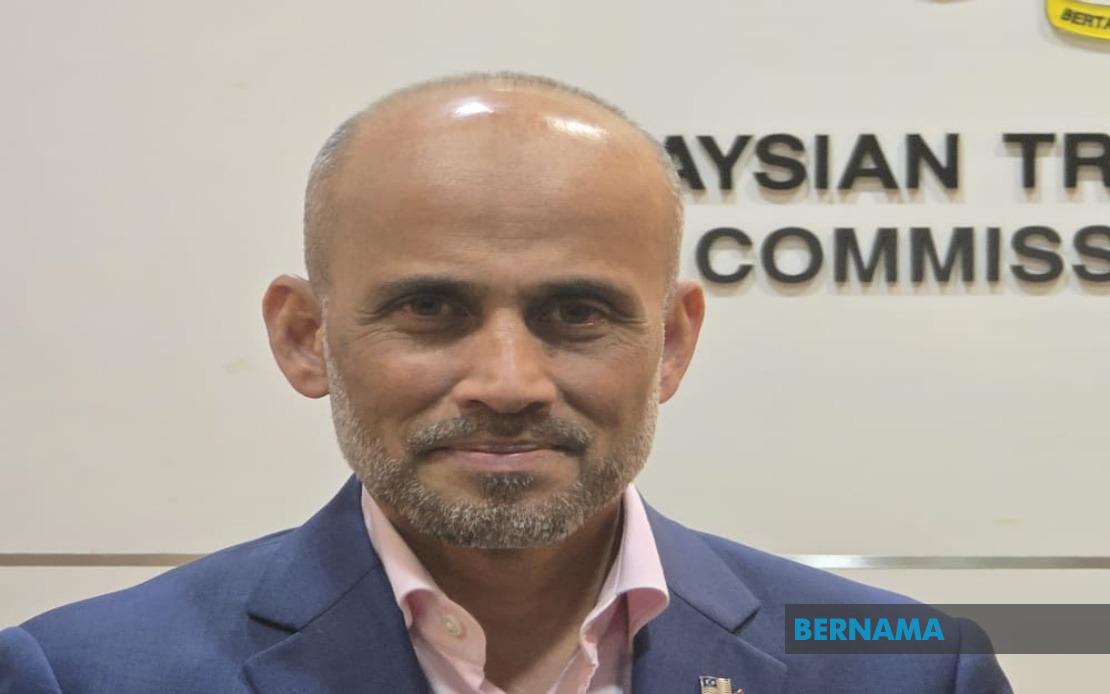
Malaysia's High Commissioner to Singapore, Datuk Dr Azfar Mohamad Mustafar, has underscored the resilience of bilateral relations between the two neighbours, attributing their deepening partnership to sustained cooperation in addressing shared challenges. Speaking as he prepares to conclude his five-year tenure and take up the position of High Commissioner to the United Kingdom from July 1, Azfar reflected on how Malaysia and Singapore have navigated turbulent global conditions together, emerging with a more robust diplomatic and economic foundation.
When Azfar assumed office in June 2021, the region was grappling with the immediate aftermath of the COVID-19 pandemic's most acute phase. The closure of land borders, whilst necessary to contain viral transmission, created significant disruption for the tens of thousands of Malaysians whose daily commute to Singapore for employment and business suddenly became untenable. This period tested the bilateral machinery as both governments worked to establish protocols that balanced public health imperatives with the reality of regional economic interdependence. Managing the administrative and consular complications arising from these restrictions proved to be one of the defining challenges of his posting, requiring swift coordination between Putrajaya and Singapore's authorities.
Beyond the immediate pandemic response, Azfar identified the broader context of geopolitical instability as shaping the tenor of Malaysia-Singapore engagement throughout his tenure. The growing strategic competition between major powers, supply chain vulnerabilities exposed by the pandemic, and the evolving security architecture in Southeast Asia all created an environment in which deepening ties with a trusted neighbour became strategically valuable. The High Commissioner's emphasis on working closely with Singapore to navigate these uncertainties suggests a recognition that multilateral resilience depends fundamentally on bilateral relationships functioning effectively.
On the economic dimension, Azfar presented an encouraging picture of recovery and renewed momentum. Trade and investment between the two countries have rebounded decisively from pandemic lows, returning to pre-pandemic levels and indicating sustained commercial confidence. Singapore's ranking as one of Malaysia's largest trading partners remains a testament to the economic complementarity between the two nations, with Malaysian resources and manufacturing capacity finding ready markets in the developed island economy, whilst Singapore's financial services and investment capabilities flow back into Malaysian development projects.
Looking to future growth trajectories, Azfar highlighted two specific initiatives poised to deepen economic integration. The Johor-Singapore Special Economic Zone represents a particularly significant development for Malaysia, creating new opportunities for Singaporean investors to establish operations in Johor whilst leveraging its larger workforce and land availability. This zone has the potential to attract manufacturing and logistics investments that might otherwise cluster entirely within Singapore's constrained geography. The High Commissioner's optimism regarding increased Singaporean investment into Johor, particularly given the emerging opportunities the special economic zone presents, suggests genuine momentum in reconfiguring the spatial dynamics of Malaysia-Singapore economic activity.
Diplomatic support for Singapore's assumption of ASEAN chairmanship in the coming year constitutes another pillar of Malaysia's engagement strategy. This endorsement reflects not merely formal protocol but genuine strategic alignment on key regional issues. Economic integration among ASEAN member states stands as a priority concern for Singapore's chairmanship agenda, and Azfar confirmed Malaysia's commitment to advancing this shared objective. Deeper intra-regional economic links strengthen the bloc's collective negotiating capacity and reduce vulnerability to external pressures, making this a matter of legitimate national interest for all members.
The ASEAN Power Grid initiative exemplifies the kind of transformative infrastructure project that both nations will pursue collaboratively. This ambitious undertaking aims to create a regional electricity trading network, allowing member states to optimise energy resources, reduce costs, and advance sustainability objectives simultaneously. Malaysia's participation in such initiatives, backed by coordinated diplomatic effort with Singapore, demonstrates how bilateral relationships serve as building blocks for broader regional prosperity.
Azfar's career trajectory illustrates the calibre of diplomatic personnel Malaysia deploys in key posts. His appointment as an Administrative and Diplomatic Officer in 1996 and subsequent entry into the Foreign Ministry in 2001 provided foundational experience, whilst his tenure as Ambassador to France from 2018 to 2021 exposed him to European perspectives on international relations before his Singapore posting. This background equipped him well for managing a relationship characterised by both historical complexity and contemporary strategic importance. His transfer to London, one of Southeast Asia's most consequential diplomatic postings given the UK's renewed interest in Indo-Pacific affairs, suggests the Malaysian Foreign Service recognises his effectiveness in bilateral management.
The broader significance of Azfar's reflections extends beyond diplomatic pleasantries or routine relationship maintenance. Malaysia and Singapore represent a critical test case for how neighbouring developing and newly developed economies can transcend historical tensions and construct mutually beneficial partnerships. Their ability to work past the territorial and water disputes that occasionally resurface in public discourse, to forge deepening economic ties, and to coordinate on regional issues provides a model relevant to other pairs of nations navigating their own complexities. In an era marked by great power competition and fragmenting global institutions, the Malaysia-Singapore example demonstrates that patient diplomacy and pragmatic cooperation between neighbours remain possible and rewarding.

