Malaysia's Ministry of Human Resources has reaffirmed its commitment to overhauling the governance framework for recruiting workers from Bangladesh, positioning ethical recruitment and worker protection as central priorities in bilateral labour collaboration. Human Resources Minister Datuk Seri R. Ramanan underscored this commitment in a statement released during Bangladesh's Prime Minister Tarique Rahman's official visit to Malaysia, signalling that both nations recognise the need for stronger institutional safeguards as labour migration between the two countries intensifies.
The renewed focus on recruitment governance reflects growing recognition that Bangladesh serves as one of Malaysia's most significant sources of foreign labour, with Bangladeshi workers contributing substantially to sectors ranging from manufacturing and construction to hospitality and domestic services. This demographic reality has prompted policymakers in Kuala Lumpur to prioritise frameworks that simultaneously protect migrant workers from exploitation while meeting domestic labour shortages in a structured and sustainable manner. The timing of these commitments underscores how bilateral labour relations have become increasingly complex and politically sensitive in both nations.
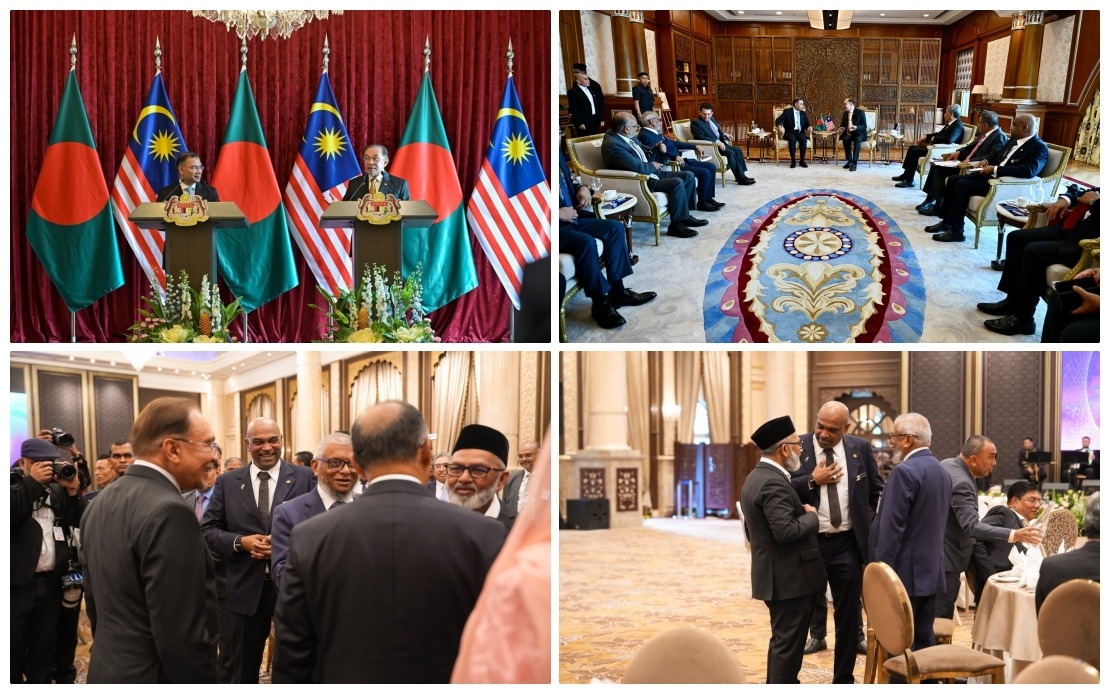
During their bilateral meeting, Prime Minister Datuk Seri Anwar Ibrahim and Tarique Rahman agreed to establish a Joint Working Group dedicated to evaluating current labour arrangements and modernising the existing Memorandum of Understanding between the two countries. This institutional mechanism represents a significant upgrade from purely ad-hoc consultations, institutionalising ongoing dialogue and creating formal channels for addressing grievances, setting standards, and implementing reforms. The JWG's mandate to review the existing MoU and draft updated provisions demonstrates recognition that labour migration frameworks must evolve in response to changing economic conditions, worker demographics, and international best practices.
Ramanan emphasised that strengthening governance mechanisms extends beyond procedural compliance, encompassing substantive improvements in worker welfare, safety standards, and rights protection throughout the recruitment pipeline. He highlighted how enhanced cooperation in human resource management can simultaneously serve both nations' interests—protecting vulnerable migrant workers from discrimination and unethical recruitment practices while enabling Malaysia to address persistent labour supply constraints in ways aligned with responsible business practices. This framing positions ethical recruitment not as a burden on employers but as essential infrastructure for sustainable economic development.
The Bangladesh Prime Minister's two-day visit to Malaysia, his first official bilateral trip since assuming office in February, signals Dhaka's strategic prioritisation of the bilateral labour relationship. Bangladesh's large outbound migrant population means that recruitment standards and worker protections carry significant political weight domestically, making labour cooperation an essential component of Tarique's broader diplomatic agenda. For Malaysia, the visit provided an opportunity to strengthen relationships with a crucial labour-supplying nation while demonstrating commitment to international labour standards.
Current arrangements governing Bangladeshi worker migration to Malaysia operate under existing MOUs that increasingly face criticism from labour advocates and civil society organisations in both countries. These agreements have been critiqued for insufficient protections against wage theft, contract substitution, unsafe working conditions, and inadequate grievance redressal mechanisms. The commitment to develop updated MOUs incorporating modern labour rights standards and enhanced enforcement mechanisms addresses these longstanding concerns while positioning both governments as responsive to international labour standards promoted by bodies like the International Labour Organisation.
The governance enhancement initiative encompasses several overlapping dimensions. Transparency in recruitment represents a critical pillar, requiring recruitment agencies, employers, and government intermediaries to operate within clearly defined ethical guidelines and subject to robust auditing mechanisms. Fairness implies eliminating discriminatory practices based on ethnicity, gender, religion, or regional origin, while ethical recruitment standards address exploitative practices such as excessive recruiting fees, false job descriptions, and coercive employment terms that have historically characterised some labour migration flows.
For Malaysian employers, particularly in labour-intensive industries already struggling with worker shortages, enhanced governance frameworks carry both opportunities and obligations. While stricter recruitment standards may initially increase administrative burden and compliance costs, they ultimately create more stable, predictable labour markets by reducing worker turnover driven by poor treatment and by building trust in Malaysia's reputation as a responsible employment destination. This reputational dimension carries particular importance given increasing scrutiny from international human rights monitors and growing awareness among potential migrant workers about labour conditions in destination countries.
Bangladesh's perspective reflects its own dual interests in maximising remittance flows and worker incomes while protecting citizens from exploitation abroad. With millions of Bangladeshis employed globally, the government faces domestic pressure to demonstrate concrete improvements in worker protections and complaints handling. Enhanced bilateral governance mechanisms provide political cover for Dhaka to claim meaningful progress while creating formal channels for addressing complaints without appearing to restrict labour migration opportunities.
The Joint Working Group framework also enables both governments to align their approaches with emerging Southeast Asian standards for migrant worker protection. The ASEAN region has been gradually strengthening labour migration governance through initiatives like the ASEAN Comprehensive Investment Agreement provisions on labour standards and various bilateral arrangements establishing better practices. Malaysia and Bangladesh's initiative positions both nations as progressive participants in this regional conversation while leveraging bilateral cooperation to advance sectoral and cross-sectoral standards.
Implementation challenges remain substantial. Translating governance commitments into effective practices requires sustained political will, adequate funding for inspection and enforcement mechanisms, coordination across multiple agencies in both countries, and genuine cooperation from private recruitment agencies whose business models may depend on practices the new frameworks restrict. Previous MOUs have sometimes struggled with inconsistent implementation, highlighting the gap between stated intentions and operational reality.
The timing also intersects with broader Malaysian conversations about immigration policy and labour market regulation. As Malaysia manages competing priorities around wage protection for citizen workers, regional competitiveness, and humanitarian concerns regarding migrant worker rights, enhanced governance of Bangladeshi recruitment demonstrates how these objectives can be integrated rather than treated as zero-sum tradeoffs. Workers treated fairly and provided adequate protections prove more productive and stable employees, benefiting employers while serving fundamental ethical imperatives.
Looking forward, the success of these governance enhancements will likely influence how other labour-supplying countries in South and Southeast Asia approach their own bilateral arrangements with Malaysia. If implemented effectively, the Bangladesh-Malaysia model could establish benchmarks for ethical recruitment practices that elevate standards across the region while demonstrating how countries can simultaneously address labour market needs and worker protection objectives.