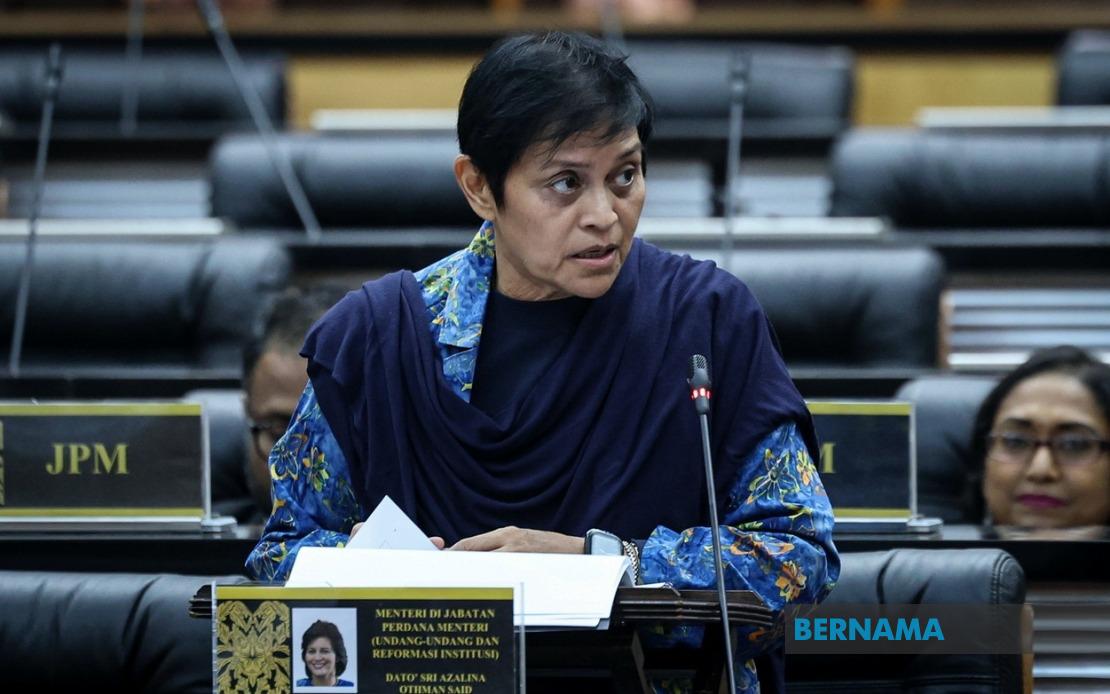
Parliament has received a significant legislative proposal aimed at modernizing Malaysia's witness protection framework. The Witness Protection (Amendment) Bill 2026 was tabled for first reading in the Dewan Rakyat on July 13, with Minister in the Prime Minister's Department (Law and Institutional Reform) Datuk Seri Azalina Othman Said presenting the measure. The legislation seeks to address gaps in the existing 2009 framework by introducing comprehensive psychological support, clarifying protections for vulnerable witnesses, and establishing more formal procedures for programme participation. The minister indicated that the Bill would progress to second reading during the current parliamentary sitting, signalling the government's intent to move the reform agenda forward.
At the heart of the amendments lies a critical expansion of the witness protection programme's scope to encompass mental health services. The proposed changes to Section 13 of the existing Witness Protection Act 2009 would explicitly recognize psychological assistance and counselling as legitimate forms of support provided to programme participants. This addition acknowledges a reality that law enforcement and justice officials have long understood: testifying against criminal organisations or powerful individuals carries profound emotional and psychological consequences. Malaysian courts have increasingly recognized the trauma associated with witness participation in high-profile cases, particularly those involving organised crime, corruption, and violence. By codifying psychological support as a standard component of protection, the amendment addresses a gap that has existed throughout the programme's operation.
Another substantive change addresses the procedural vulnerability of young witnesses and those unable to make independent decisions. The amendment to Clause 2 expands the definition of eligible applicants by introducing the concept of legal capacity as a threshold requirement. Parents or guardians may now apply for programme admission on behalf of child witnesses or adults lacking the legal capacity to make such applications themselves. This provision recognizes that Malaysia's justice system frequently requires testimony from minors in cases involving child abuse, trafficking, and exploitation. By empowering guardians to seek protection without requiring the witness to initiate proceedings independently, the amendment removes a practical obstacle that previously may have prevented vulnerable individuals from accessing safeguards they desperately needed.
The introduction of formal written agreements between programme participants and the government represents a significant procedural enhancement. Under the proposed Section 10A, all participants must now execute written contracts before designated officers that explicitly detail the terms of protection, the assistance being provided, and the participant's corresponding obligations. This formalization serves multiple purposes within Malaysia's legal framework. First, it creates clarity about mutual expectations, reducing potential disputes or misunderstandings about what protection entails and what participants must do to maintain eligibility. Second, it establishes a documented record that can protect both the government and participants in the event of disputes about programme administration. Third, it introduces an additional layer of accountability by requiring explicit acknowledgment from a designated officer, ensuring that protections are not allocated arbitrarily but according to established procedures.
The legislative design also demonstrates thoughtful consideration of participants already enrolled in the existing programme. Rather than imposing retroactive changes that might disrupt ongoing protections, the proposed Section 10B creates a transition mechanism. Existing agreements entered into before the amendment takes effect remain valid and enforceable, and both parties continue to enjoy rights and benefits under the programme. This approach recognises that the witness protection scheme depends fundamentally on trust between protected persons and the institutions providing protection. Sudden, retroactive changes to agreement terms could undermine confidence in the programme and discourage future witnesses from coming forward. By grandfathering existing participants, the legislation balances reform objectives with the practical need to maintain programme stability and credibility.
The timing of this amendment reflects Malaysia's broader commitment to strengthening the criminal justice system's supporting infrastructure. Over the past decade, Malaysia has invested considerably in prosecuting transnational crimes, large-scale corruption cases, and organized criminal enterprises. Such prosecutions depend critically on witness testimony, yet Malaysian witnesses often face genuine risks of intimidation, violence, or retribution from powerful defendants and their associates. The existing Witness Protection Act 2009 has served as the foundational legal instrument, but experience has revealed areas requiring modernization. The current amendments represent an acknowledgment that witness protection is not merely a procedural nicety but a fundamental component of an effective justice system that can successfully prosecute serious crimes.
From a regional perspective, Malaysia's approach to witness protection reflects international best practices. Many Commonwealth jurisdictions, including Australia, Canada, and the United Kingdom, have moved toward codifying psychological support within their witness protection frameworks, recognizing that sustainable protection must address both physical security and mental health. Malaysia's alignment with these international standards positions the country more effectively within global law enforcement cooperation networks and strengthens its ability to prosecute transnational crimes involving multiple jurisdictions. When international partners assess Malaysia's capacity to protect witnesses in cases with cross-border implications, the comprehensiveness of the legal framework becomes relevant to their confidence in Malaysian institutions.
The Bill's attention to written agreements also reflects lessons learned in other jurisdictions regarding programme administration. Without clear documentation of what protection entails and what recipients must do to maintain their status, witness protection programmes can become entangled in disputes about contract terms, government obligations, and participant responsibilities. Designated officers executing these agreements gain authority to explain protections clearly to participants before they commit to programme participation, reducing the likelihood of misunderstandings later. This administrative clarity ultimately makes the programme more efficient and less vulnerable to legal challenges from participants claiming they were inadequately informed about what protection would entail.
The legislation carries particular significance for Malaysia's ongoing efforts to combat corruption and organised crime. High-profile corruption cases against senior government officials and business figures frequently depend on testimony from witnesses who occupied positions of trust within implicated organisations. These witnesses often face extraordinary pressure not to testify, including threats to their personal safety, family members, and livelihoods. Enhanced psychological support recognises that cooperating with authorities in such cases requires witnesses to overcome profound trauma, guilt, and fear. By making psychological assistance explicit within the statutory framework, the amendment signals to potential witnesses that the government understands the emotional toll of their cooperation and will provide support beyond mere physical protection.
Implementation challenges will undoubtedly emerge as the amended framework takes effect. Ensuring that designated officers administering written agreements have appropriate training in the legal requirements and in communicating effectively with traumatized individuals will prove essential. The government must also develop protocols for determining what psychological assistance is appropriate for different participants and establishing metrics for evaluating whether support is delivering genuine benefits. These implementation questions will likely occupy officials in the Attorney General's Chambers and law enforcement agencies in the months following the Bill's passage. The success of the reforms will ultimately depend on how thoroughly and thoughtfully these institutions execute their responsibilities.
The amendment also creates opportunities for Malaysia to enhance public confidence in the justice system. When ordinary citizens understand that witnesses cooperating with authorities receive genuine, meaningful protection encompassing both physical security and psychological support, they become more willing to come forward in serious criminal cases. This shift in public behaviour can transform Malaysia's capacity to prosecute crime, particularly organised crime and corruption that depend on silence and fear to continue operating. The Witness Protection (Amendment) Bill 2026, therefore, represents more than a technical adjustment to administrative procedures; it signals a commitment to building a justice system that can function effectively even when powerful interests oppose its operations.

