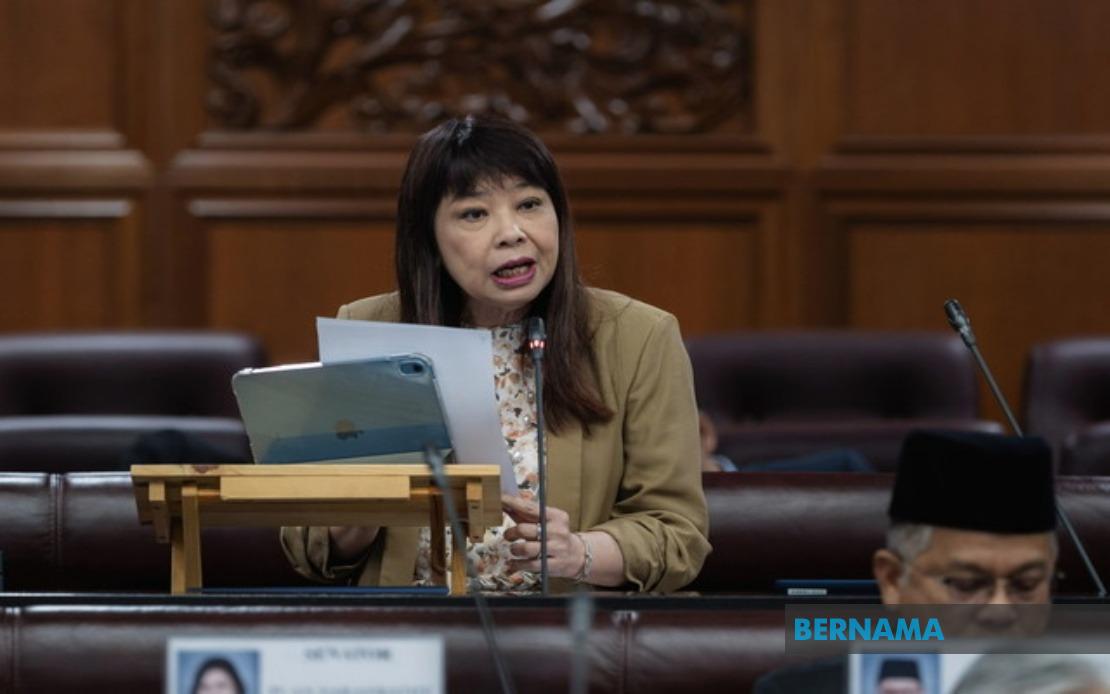
Malaysia is moving forward with plans to establish a dedicated registry for domestic violence offenders, marking a significant step in the nation's efforts to protect vulnerable populations from repeated abuse. Deputy Women, Family and Community Development Minister Lim Hui Ying disclosed that the Women, Family and Community Development Ministry (KPWKM), Royal Malaysia Police (PDRM), and the judiciary have joined forces to develop a comprehensive tracking mechanism that would prevent perpetrators from harming multiple victims. The initiative addresses a critical gap in the country's data collection systems, as officials currently lack reliable information on patterns of repeat offences within the domestic abuse sphere.
The collaborative approach reflects growing recognition among policymakers that combating domestic violence requires coordinated action across multiple government institutions rather than isolated efforts by any single agency. By pooling resources and expertise from law enforcement, the justice system, and social welfare departments, the government aims to create a framework that not only identifies repeat offenders but also enables judges, police officers, and social workers to make more informed decisions when handling cases. Such a registry could prove instrumental in issuing appropriate protection orders and determining bail conditions that prioritize victim safety. The initiative also signals Malaysia's commitment to adopting international best practices in domestic violence prevention, as similar registries have been implemented in other Commonwealth nations and beyond.
The lack of accurate data has long hampered Malaysia's response to domestic abuse. Without systematic tracking mechanisms, authorities cannot readily identify whether individuals appearing in court have prior records of violence against intimate partners or family members. This informational deficit can result in lenient sentences, inappropriate bail decisions, or failure to apply enhanced protective measures that might otherwise be warranted. By creating a centralized repository linked to criminal records or a dedicated offenders registry, the government would substantially improve the capacity of the judiciary and law enforcement to recognize dangerous patterns and intervene more effectively. The initiative also creates opportunities for research institutions to better understand the dynamics of domestic violence in the Malaysian context, potentially informing future policy refinements.
Beyond the registry proposal, the government has demonstrated financial commitment to supporting domestic violence victims through shelter infrastructure. KPWKM has allocated RM2.1 million during the current year specifically for upgrading over twenty government-operated shelters across the nation. These facilities serve as critical safe havens for individuals fleeing abusive situations, providing temporary refuge while longer-term solutions are pursued. The maintenance and enhancement of these spaces ensures that physical infrastructure keeps pace with evolving standards for victim safety and comfort, while enabling shelters to continue their essential work without operational disruptions. Such investment reflects understanding that prevention infrastructure requires ongoing resource commitment to remain effective and responsive to victim needs.
The Social Welfare Department (JKM) currently oversees a network of forty-three approved shelters nationwide, comprising thirty-nine operated directly by government agencies and four run by non-governmental organizations (NGOs). This mixed public-private model distributes the burden of victim support across multiple entities while leveraging the specialized expertise that NGOs often bring to sensitive social issues. The government's allocation of resources for upgrades demonstrates recognition that many facilities may be operating with aging infrastructure, outdated safety features, or insufficient amenities. By modernizing these shelters, the government can ensure environments conducive to trauma recovery and provide dignified temporary housing for people navigating particularly vulnerable circumstances.
The judicial system has been equipped with mechanisms to provide rapid protective relief for domestic violence victims through Emergency Protection Orders (EPOs) that can be issued within two hours when immediate danger is present. This expedited process acknowledges that waiting periods in domestic violence cases can have tragic consequences, and that swift legal intervention can literally mean the difference between safety and serious harm. The two-hour threshold represents a meaningful recognition of the urgency inherent in domestic violence situations, where perpetrators may escalate their behaviour rapidly once they become aware that victims are seeking help. Beyond emergency measures, JKM also assists victims in navigating the courts to obtain Interim Protection Orders (IPOs) and longer-term Protection Orders (POs), providing continuity of legal protection as cases progress through the judicial system.
For Malaysian readers concerned about domestic violence in their communities, these developments offer modest grounds for optimism regarding government responsiveness to a persistent social problem. The registry initiative addresses a genuine institutional weakness that has likely allowed dangerous individuals to cycle through the criminal justice system without facing enhanced scrutiny. In a region where cultural attitudes sometimes minimize domestic abuse as a private family matter, explicit government action and resource allocation sends an important message about the seriousness with which authorities now regard such crimes. However, the success of these measures will ultimately depend upon rigorous implementation, adequate staffing of enforcement agencies, and genuine coordination among institutions that do not always prioritize inter-departmental cooperation.
The registry proposal also raises important questions about data privacy, rehabilitation opportunities, and the potential for systems to be misused or to perpetuate stigma. Malaysia will need to establish clear protocols governing who can access registry information, under what circumstances, and with what safeguards against unauthorized use. Balancing victim protection against offender rehabilitation remains a complex policy challenge, particularly in a nation where family reconciliation holds cultural significance. The government must design the registry in ways that enhance rather than undermine rehabilitation efforts, ensuring that individuals who have genuinely reformed are not perpetually disadvantaged by their history.
The broader whole-of-society approach mentioned by Deputy Minister Lim reflects international evidence suggesting that domestic violence cannot be solved through legal and enforcement mechanisms alone. Reducing prevalence requires complementary efforts addressing cultural attitudes, economic inequalities, and gender norms that contribute to intimate partner abuse. Community education, workplace policies, faith-based organization engagement, and family support services must all play roles in creating an environment where domestic violence becomes genuinely unacceptable. Malaysia's stated commitment to this comprehensive framework suggests recognition that legal reforms and institutional improvements, while necessary, represent only partial solutions to a deeply rooted social problem.
The initiative also arrives within a context of broader Southeast Asian movements toward strengthening protections for domestic violence victims. Regional organizations and neighboring countries have been advancing similar registries and enhanced protective measures, creating peer pressure and knowledge-sharing opportunities that can accelerate Malaysia's progress. As ASEAN nations increasingly recognize domestic violence as a serious development and human rights issue, Malaysia's efforts contribute to elevating regional standards and potentially influencing practices across the association. The government's current initiative therefore extends beyond national borders in its significance, positioning Malaysia as a participant in regional efforts to tackle violence against women and vulnerable family members.

