Malaysia's government has embarked on an expansive nationwide initiative to construct at least 1,000 MADANI Recreational Parks by the end of the decade, reflecting a strategic commitment to enhance community wellbeing and neighbourhood amenities across the country. The ambitious programme aims to ensure that accessible recreational facilities are distributed equitably within residential and community settings, bringing leisure infrastructure closer to ordinary Malaysians rather than concentrating them in urban centres. According to National Landscape Department director-general Mansor Mohamad, the initiative represents a significant investment in public health and social cohesion at the grassroots level.
Progress on the initiative has been substantive, with 216 parks already completed by 2025, demonstrating the government's capacity to execute large-scale infrastructure projects. A further 100 parks are currently under construction during this year, indicating an accelerating pace of development that suggests the 2030 target remains achievable. This trajectory reflects coordinated efforts across federal and state authorities, with the Melaka leg of the project being overseen by state officials including Housing, Local Government, Drainage, Climate Change and Disaster Management Committee chairman Datuk Rais Yasin. The steady momentum suggests that the programme has secured adequate funding and political support across multiple government tiers.
Financial parameters for the parks are clearly defined, with construction costs typically ranging between RM400,000 and RM500,000 per facility, contingent on site dimensions and architectural specifications. This cost framework provides transparency for budgeting purposes and helps stakeholders understand the financial magnitude of the overall investment. The relatively moderate per-unit expenditure indicates an effort to balance quality infrastructure provision with fiscal prudence, ensuring that resources are deployed efficiently without compromising design standards or functional capabilities. For a nation managing competing developmental priorities, this pricing strategy permits broader geographical coverage within available budgetary allocations.
Crucially, the parks incorporate universal design principles that distinguish this initiative from conventional recreational infrastructure. By engineering facilities to accommodate users spanning all demographics—children, teenagers, adults, persons with disabilities, and senior citizens—the government has prioritised inclusivity as a fundamental design criterion rather than an afterthought. This approach reflects evolving international best practices in public space development and acknowledges Malaysia's commitment to creating accessible environments for citizens with varying mobility, sensory, and physical capabilities. Such inclusive design reduces the risk of creating recreational spaces that inadvertently exclude marginalised populations.
The deliberate siting of these parks within communities and residential areas represents a meaningful departure from traditional approaches that often concentrated public amenities in designated zones requiring transport. By embedding parks directly into neighbourhoods, the government eliminates accessibility barriers for populations with limited mobility, time constraints, or transportation means. This strategy particularly benefits elderly residents, young children, and individuals without personal vehicles, who might otherwise find distant parks impractical to access. The neighbourhood-centric approach also fosters stronger community identity and social interaction by providing congregation points within walking distance of homes.
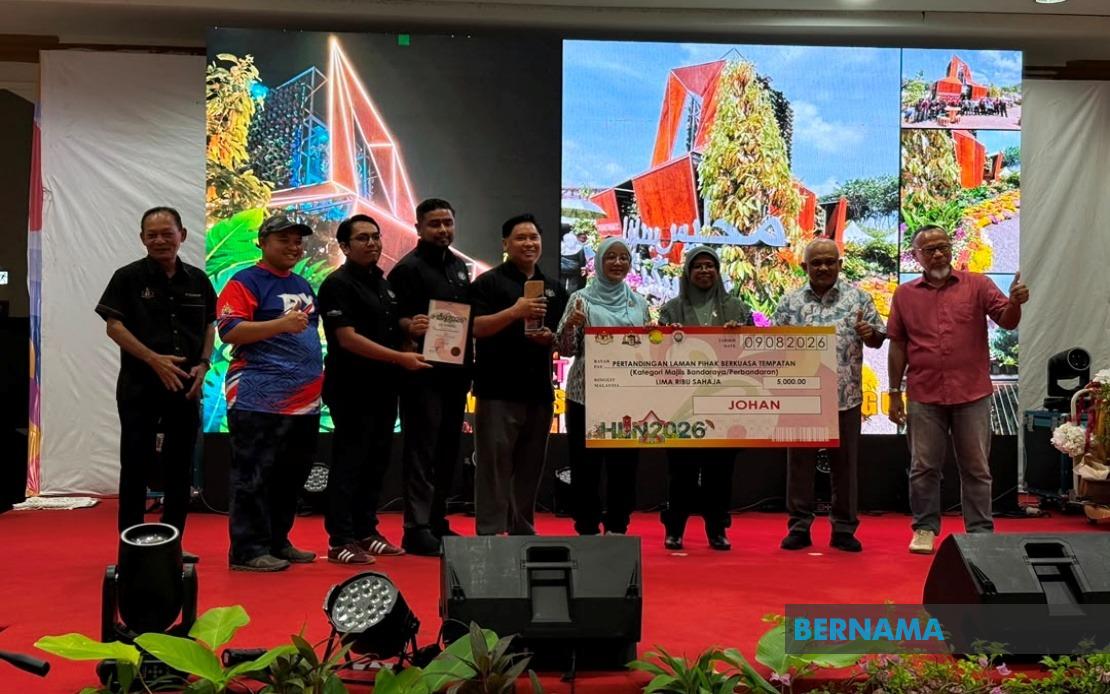
The recent National Landscape Day celebration in Melaka, which drew approximately 80,000 visitors over four days, demonstrates substantial public enthusiasm for the broader landscaping and recreational infrastructure agenda. The event served multiple purposes beyond ceremonial recognition, functioning as a platform for landscape industry entrepreneurs to display and commercialise their products while simultaneously cultivating a cultural appreciation for landscaping within Malaysian communities. This dual emphasis on commercial opportunity and community engagement reflects a pragmatic strategy for sustaining long-term support for the parks programme by fostering an ecosystem of professional practitioners and consumer interest.
The initiative carries particular significance for Southeast Asian neighbours observing Malaysia's approach to inclusive public infrastructure development. As the region grapples with rapid urbanisation and demographic transitions, Malaysia's experience with universal design principles and community-integrated recreational facilities offers valuable lessons. The programme demonstrates that inclusive infrastructure can be delivered at reasonable cost without requiring exceptional budgetary resources, potentially encouraging similar initiatives across the region. Furthermore, the emphasis on accessibility for persons with disabilities aligns with international conventions and reflects evolving regional standards for inclusive development.
Stakeholder engagement appears integral to programme sustainability, with officials indicating that feedback from various constituencies will inform future iterations. The commitment to immediately commence planning for next year's National Landscape Day celebration, including site identification and stakeholder consultation, suggests an institutionalised approach to continuous improvement rather than one-off initiatives. This embedded feedback mechanism should enhance the relevance and effectiveness of the parks while building ownership among communities and relevant professionals. Such iterative refinement processes typically strengthen programme resilience and adapt facilities to evolving community needs.
For Malaysian residents, particularly those in underserved communities, the MADANI parks programme promises tangible quality-of-life improvements by bringing professionally designed recreational infrastructure within convenient reach. The focus on universal accessibility ensures that benefits extend beyond able-bodied populations to encompass families with elderly members, young children, and citizens with disabilities. Over the medium term, successful implementation of 1,000 parks could measurably enhance public health outcomes by facilitating physical activity, reducing social isolation, and creating safe gathering spaces. The programme thus represents not merely infrastructure deployment but an intentional strategy to advance social wellbeing at the community level.
As implementation accelerates toward the 2030 target, the initiative merits attention as a demonstration of coordinated governance across federal and state structures, a common challenge in Malaysia's federal system. The participation of Deputy Housing and Local Government Minister Datuk Aiman Athirah Sabu in ceremonial recognition underscores political commitment at senior levels, while successful ground-level execution by entities like the National Landscape Department indicates institutional capacity. Sustaining this momentum will require continued inter-agency coordination, stable funding streams, and adaptive management as the programme scales from current levels. The emerging trajectory suggests these elements are currently in place, positioning Malaysia to deliver substantial progress on this ambitious community development agenda.

