Malaysia is making a concerted push to draw significantly more Thai students into its higher education system, targeting an increase of over 20 per cent in enrolments across its universities and colleges. The strategy capitalises on Malaysia's natural advantages as a neighbouring country offering quality education at competitive prices, coupled with attractive post-study employment pathways that allow graduates to establish careers in the region.
Education Malaysia Global Services (EMGS), the government agency overseeing international student recruitment and visa processing, is orchestrating the campaign through partnerships with Thailand's education consultants. Novie Tajuddin, chief executive officer of EMGS, emphasised that the agency is working directly with the Thai International Education Consultants Association (TIECA), which represents 78 education agents across Thailand, to expand awareness of Malaysian higher education offerings among prospective students and their families.
Current enrolment figures reveal substantial room for growth. Data compiled by EMGS indicates that 634 Thai students were registered at Malaysian institutions during 2025, with approximately 60 per cent pursuing bachelor's degrees and roughly 40 per cent enrolled in postgraduate programmes. The trajectory shows promise: Thai student numbers climbed from 300 in 2024 to 360 in 2025, representing a 20 per cent annual growth rate that EMGS believes can be sustained and accelerated through enhanced outreach efforts.
The recruitment initiative centres on three primary selling points that distinguish Malaysia from competing regional destinations. Geographic proximity reduces travel costs and enables students to maintain family connections, a significant consideration for Thai families. Educational affordability remains a compelling factor when compared with universities in developed nations, while Malaysia maintains rigorous quality standards through its regulated higher education sector. These attributes collectively position Malaysia as an accessible yet credible alternative for Thai students seeking tertiary education.
A cornerstone of the recruitment campaign is Malaysia's Graduate Pass scheme, a one-year post-study work visa that permits international graduates, including Thai citizens, to remain in the country and seek employment in designated sectors. This initiative addresses a critical concern among prospective students and parents: the pathway from education to meaningful professional opportunities. For Thai graduates, the Graduate Pass transforms Malaysia from merely a place to study into a launching platform for regional careers, substantially enhancing the value proposition of Malaysian institutions.
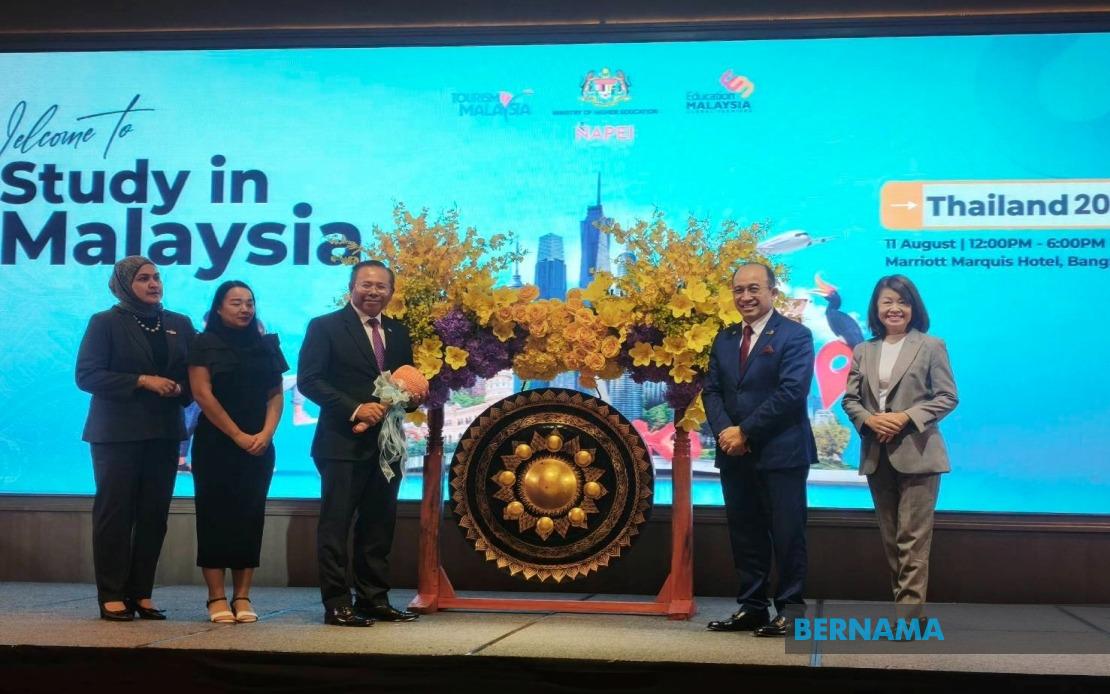
To amplify its reach, EMGS orchestrated a multi-city education fair across Thailand throughout August, with events in Chiang Mai on August 9, Bangkok on August 11, and Hat Yai on August 13. These exhibitions, conducted in collaboration with Tourism Malaysia and the National Association of Private Educational Institutions (NAPEI), provided prospective students with direct access to representatives from Malaysian universities and colleges, enabling informed decision-making and streamlined applications. Malaysia's Ambassador to Thailand, Datuk Wan Zaidi Wan Abdullah, formally inaugurated the campaign, signalling the diplomatic importance both governments attach to educational cooperation.
Beyond promotional activities, Malaysian institutional leaders are contemplating structural enhancements to strengthen appeal among Thai students. Ambassador Wan Zaidi advocated for Malaysian public and private universities to establish dedicated scholarship programmes targeting Thai students, arguing that financial incentives would substantially amplify the volume of applications from across the border. Such scholarships would lower financial barriers for middle-class Thai families and could position Malaysia as a more generous alternative to other regional education hubs.
The recruitment strategy reflects broader regional dynamics in Southeast Asian higher education. Thailand faces demographic challenges with a declining student population, creating competitive pressure among countries to attract international talent. Malaysia, possessing established English-medium instruction, internationally recognised qualifications, and a multicultural environment conducive to foreign students, is well-positioned to capitalise on Thai demand. The initiative also aligns with Malaysia's aspiration to strengthen its profile as a regional education hub, competing with established alternatives like the Philippines and Vietnam for Thai enrollees.
EMGS operates under the purview of the Ministry of Higher Education and functions as the primary liaison between Malaysia's academic institutions and international markets. Beyond visa facilitation, the agency actively promotes Malaysia as a destination for talent development and knowledge acquisition, projecting Malaysia's soft power through educational engagement. The Thai push exemplifies this mandate, leveraging government and private sector coordination to create a seamless pathway for prospective students from Thailand.
Coordination between EMGS and the Thai Embassy in Malaysia further strengthens student engagement channels. This diplomatic infrastructure enables issues affecting Thai students to be resolved expeditiously and facilitates ongoing dialogue regarding education cooperation frameworks. By institutionalising communication between Thai and Malaysian authorities, both governments signal commitment to sustaining long-term educational partnerships that benefit students and institutions across both countries.
The timing of this recruitment initiative coincides with global trends reshaping international student mobility. Rising costs in traditional English-speaking destinations, combined with geopolitical uncertainties affecting some traditional education migration routes, have prompted students to seek alternatives closer to home. Malaysia, with its proven track record accommodating international students and its strong educational reputation within Southeast Asia, is well-positioned to capture this shifting demand from Thailand and potentially from other regional neighbours.
Looking forward, the success of this campaign will depend on sustained institutional commitment from Malaysian universities to adapt curricula and student services for Thai populations, effective implementation of simplified visa procedures through EMGS, and the willingness of Thai education agents to actively promote Malaysian options within their networks. If executed effectively, the 20 per cent recruitment target appears achievable and could establish Thailand as a significant contributor to Malaysia's international student population, enriching the multicultural dimensions of Malaysian campuses while generating valuable foreign exchange and supporting the nation's knowledge economy.

