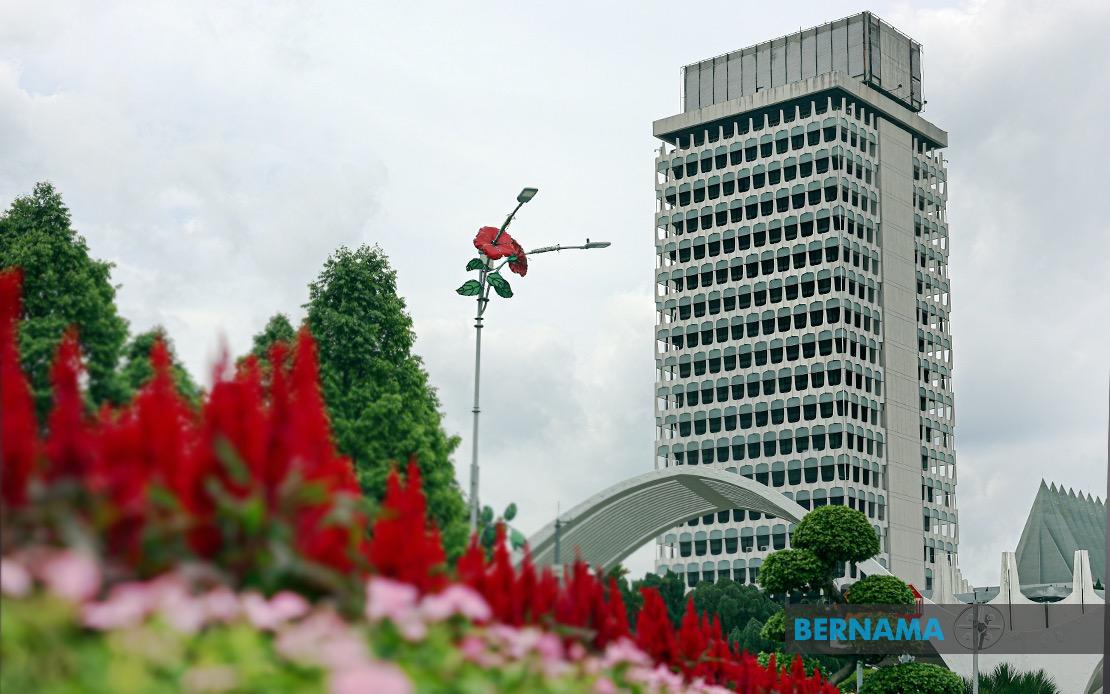
Parliament convenes today to deliberate on two matters with significant implications for Malaysia's economic development and regional security: the progress of the Malaysia-Thailand Border Economic Zone and the escalating tensions affecting one of the world's most crucial shipping corridors. The session, beginning at 10 am, will feature ministers fielding questions on these pressing concerns that directly influence the country's trading prospects and financial stability.
Datuk Adnan Abu Hassan, the Kuala Pilah representative from the Barisan Nasional coalition, has tabled a question for the Prime Minister focusing on the anticipated economic returns from the bilateral border zone initiative. His inquiry extends beyond headline figures to examine the distribution mechanisms that would allow small enterprises and residents in frontier districts to participate meaningfully in the zone's expansion. This line of questioning reflects growing parliamentary interest in ensuring that infrastructure projects with regional dimensions translate into tangible opportunities for communities beyond major urban centres, particularly those situated on Malaysia's land borders where development often lags.
The Border Economic Zone represents an attempt to harness the geographic proximity between Malaysia and Thailand for mutual commercial gain. By establishing a dedicated framework for cross-border trade and investment, the arrangement seeks to reduce barriers to commerce whilst maintaining regulatory oversight. However, the effectiveness of such zones ultimately hinges on how equitably the generated wealth circulates through local economies. Small traders operating in frontier towns and rural municipalities frequently face capital constraints and limited market access that prevent them from capitalising on new opportunities, necessitating targeted government intervention to level the playing field.
Meanwhile, Datuk Rosol Wahid from Hulu Terengganu, representing the Perikatan Nasional bloc, will press the Prime Minister to articulate the government's formal assessment of how the protracted Strait of Hormuz instability threatens Malaysia's political equilibrium and economic prospects. The Persian Gulf waterway through which approximately one-third of the world's maritime crude oil passes remains buffeted by regional tensions, piracy concerns, and military posturing that elevates shipping insurance costs and creates supply chain uncertainty. For a maritime trading nation like Malaysia, whose commercial lifeline depends on secure international sea lanes, disruptions to this critical chokepoint carry outsized consequences.
The strategic calculus surrounding Hormuz extends beyond energy security. Heightened geopolitical volatility in the Gulf region influences commodity prices, currency valuations, and investor confidence in emerging Asian markets. A sustained crisis could trigger capital flight from Southeast Asia, dampen foreign direct investment inflows, and complicate Malaysia's own navigation of great power competition between Washington and Beijing. The government's mitigation strategies therefore merit parliamentary scrutiny, as they should encompass diplomatic engagement, economic diversification away from oil-dependent revenue streams, and contingency planning for supply chain disruptions.
Parliament will also address the escalating problem of illegal street racing following a high-profile incident that occurred on June 1 in Simpang Renggam, Johor. Datuk Yusuf Abd Wahab from Tanjong Manis, representing the GPS party from Sarawak, has submitted questions to the Transport Minister regarding enforcement mechanisms and prevention strategies. This issue, though distinct from the economic and geopolitical concerns dominating the morning session, underscores how parliamentary business encompasses the full spectrum of public safety and national governance.
Following the question-and-answer period, the House will proceed to first reading of the Statistics Bill 2026 and the National Trust Fund Bill 2026. The Statistics Bill represents an effort to modernise Malaysia's data collection and analysis frameworks in an era when information accuracy is fundamental to effective policymaking. The National Trust Fund Bill similarly carries implications for how the government manages public resources and ensures fiscal transparency, both matters of considerable consequence for investor confidence and international standing.
Particularly significant is the tabling of the Parliamentary Special Select Committee's report on constitutional amendments regarding the separation of Attorney General and Public Prosecutor roles. Datuk Seri Azalina Othman Said, the Minister in the Prime Minister's Department overseeing Law and Institutional Reform, will present findings from a committee that convened seven times to refine its recommendations. The committee has incorporated seven substantive improvements intended to strengthen institutional independence, safeguard professional integrity, and enhance accountability mechanisms. This constitutional recalibration addresses longstanding concerns about the concentration of prosecutorial power and represents a structural reform aimed at reinforcing the rule of law.
The separation of the Attorney General's office from the Public Prosecutor's function represents a governance evolution that many Commonwealth jurisdictions have already undertaken. By creating distinct institutional identities and reporting lines, the reform seeks to insulate prosecution decisions from political influence whilst preserving appropriate ministerial oversight of legal policy. The architectural changes proposed by the committee should strengthen public confidence that prosecutorial decisions rest on legal merit rather than partisan considerations, a matter of particular importance given Malaysia's experience with controversial high-profile cases.
The current parliamentary sitting extends across sixteen days, running from June 22 until the following Thursday. This extended schedule permits sufficient time for deliberative engagement with complex legislation and permits thorough examination of government policies across multiple portfolios. The breadth of topics under consideration during this session reflects the diverse challenges confronting Malaysia's policymakers, ranging from regional economic cooperation and international security concerns to domestic law enforcement priorities and constitutional governance structures.
Taken collectively, today's parliamentary proceedings demonstrate the intersection of Malaysia's internal development priorities with external pressures and opportunities. The Malaysia-Thailand Border Economic Zone offers potential prosperity for frontier communities provided implementation strategies prioritise inclusive growth, whilst the Strait of Hormuz tensions necessitate strategic hedging and economic resilience. Simultaneously, constitutional reforms and updated legislative frameworks attempt to strengthen institutional foundations upon which durable governance depends. These conversations occurring in the Dewan Rakyat shape the trajectory of Malaysian policy across commercial, security, and institutional dimensions.

