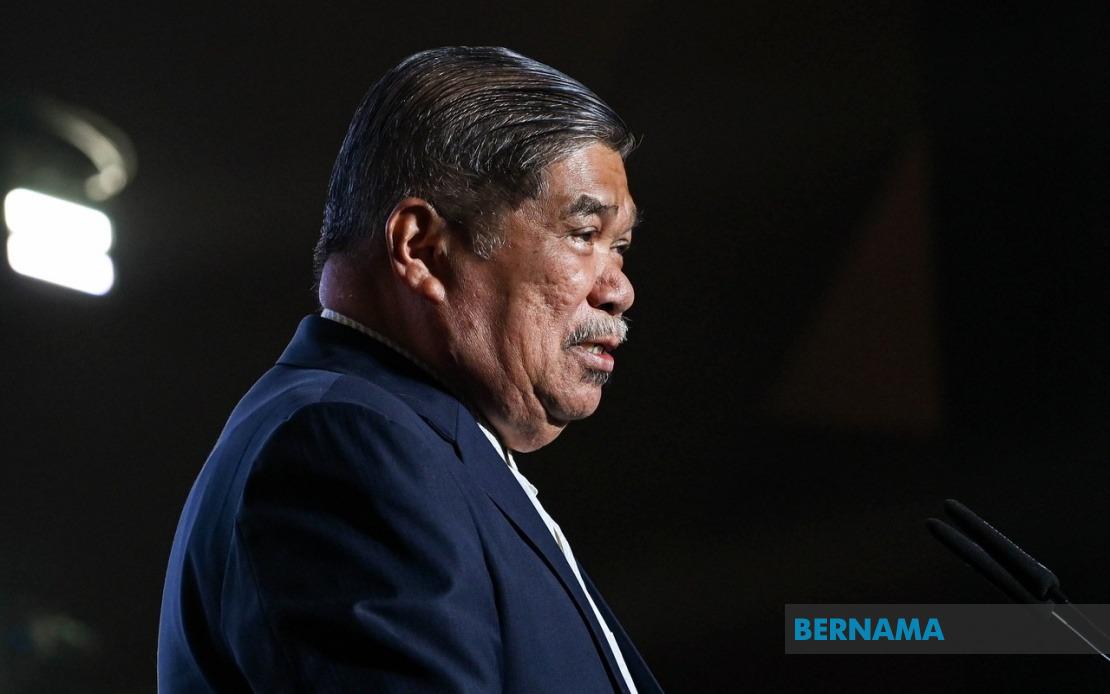
Malaysia's government is poised to unveil the outcome of protracted bilateral negotiations with Thailand by the end of this month, according to Agriculture and Food Security Minister Datuk Seri Mohamad Sabu. The talks centre on resolving multiple trade barriers affecting key Malaysian export commodities, particularly the nine-year ban on Malaysian shrimp that Thailand has maintained since 2017. Mohamad made the announcement while officiating the Global Animal Production and Veterinary Industry Summit (GAVIS) in Putrajaya on July 21, signalling that what he described as record progress has accelerated the diplomatic process between the two neighbouring economies.
The negotiations have entered their concluding phase following a recent visit by officials from Thailand's Ministry of Agriculture to Malaysia, during which both sides conducted inspections and advanced discussions on outstanding trade issues. Mohamad characterised the timeline as unprecedented, emphasising that this represents the quickest path to resolution achieved during his tenure overseeing these negotiations. The minister's comments suggest genuine momentum in addressing grievances that have strained bilateral agricultural trade for years, though the complexity of the issues involved indicates that finalising agreements may still require careful diplomatic manoeuvring before an official announcement materialises.
The shrimp export ban stands as the most visible irritant in Malaysia-Thailand agricultural relations, having effectively locked Malaysian producers out of a significant regional market for nearly a decade. Thai authorities have justified the restriction by citing food safety and disease prevention concerns, a stance that Malaysian officials have continuously challenged through technical discussions and facility inspections. The lifting or modification of this restriction would represent a major commercial breakthrough for Malaysia's aquaculture sector, which has invested substantially in modernising production standards to meet international protocols. Beyond the shrimp issue, Malaysia remains engaged in parallel efforts to secure market access for its livestock products to Thailand, an application that has languished since 2024 despite multiple rounds of engagement.
Thailand's own import controls have added reciprocal complications to the relationship. In June, Thailand implemented a ban on shrimp imports from Malaysia, effectively mirroring the Malaysian grievance but creating additional friction in an already delicate negotiating environment. Simultaneously, Bangkok has tightened inspection regimes for Malaysian seabass destined for Thai markets, effectively raising non-tariff barriers that constrain export volumes even where formal bans do not exist. These layered trade impediments reflect the underlying tension between both nations' agricultural sectors, each seeking to protect domestic producers while maintaining rhetorical commitment to regional free trade principles. The convergence of multiple simultaneous negotiations suggests that both governments recognise the interconnected nature of these disputes and the potential for comprehensive settlement that addresses grievances on both sides.
For Malaysian stakeholders, the timing of an anticipated resolution carries particular significance given the regional economic context. As ASEAN economies navigate increasingly complex global trade dynamics and supply chain reconfiguration, bilateral agreements that unlock market access become strategically important for maintaining competitive advantage and diversifying export destinations. Malaysia's fisheries and aquaculture sectors employ tens of thousands of workers and contribute substantially to rural livelihoods, making trade barriers with a major regional buyer more than merely commercial inconveniences. The announcement expected by month-end will consequently carry implications extending beyond ministerial statements to affect employment, investment decisions, and long-term strategic planning within Malaysia's agricultural establishment.
Modjadi's official characterisation of the negotiations as benefiting both countries reflects a face-saving diplomatic formulation that acknowledges potential concessions on both sides. This language typically signals that compromise rather than capitulation has defined the negotiating process, suggesting that Thailand may have extracted certain concessions on inspection protocols or product standards while Malaysia has gained meaningful progress toward market access. The mutual benefit framing also serves to prepare domestic audiences in both countries for potential announcements that may involve technical adjustments or phased implementations rather than immediate, comprehensive lifting of restrictions.
The GAVIS summit itself provided the backdrop for these comments, with Mohamad emphasising the international dimension of agricultural cooperation. The gathering brought together 108 presenters including 51 international experts from China, Australia, the United Kingdom, Indonesia, and Vietnam, underscoring how regional agricultural challenges increasingly demand cross-border collaboration and knowledge exchange. Malaysia's efforts to resolve trade barriers with Thailand must be situated within this broader context of building institutional frameworks and technical standards that facilitate regional agricultural commerce. The summit's focus on innovation and addressing shared challenges reflects recognition that market access disputes increasingly turn on technical compliance and scientific validation rather than purely protectionist sentiment.
For Malaysian policymakers, successfully navigating the Thailand trade negotiations carries broader implications for Malaysia's agricultural diplomacy across Southeast Asia. A resolution would demonstrate capacity to resolve complex, long-standing disputes through sustained engagement and technical problem-solving rather than retaliatory measures or diplomatic escalation. This capacity matters for Malaysia's standing in regional forums and bilateral relationships with other ASEAN members where agricultural trade tensions periodically emerge. The July deadline announcement, therefore, represents more than resolution of a specific commercial dispute; it signals Malaysia's capability to advance national interests through disciplined, patient negotiation aligned with regional cooperation norms.
The specificity of Mohamad's timeline commitment—announcing results by month-end—suggests confidence that final technical details have been substantially resolved. However, the gap between ministerial statements and formal implementation remains significant in agricultural trade contexts, where regulatory harmonisation, inspection protocols, and certification procedures often require months of administrative work following political agreement. Malaysian exporters should therefore anticipate that any July announcement will likely signal a framework rather than immediate market access, with practical implementation extending into subsequent months as both nations' agricultural and customs authorities coordinate technical execution. Understanding this distinction between political resolution and commercial reality will be crucial for businesses planning to capitalise on anticipated market opening.

