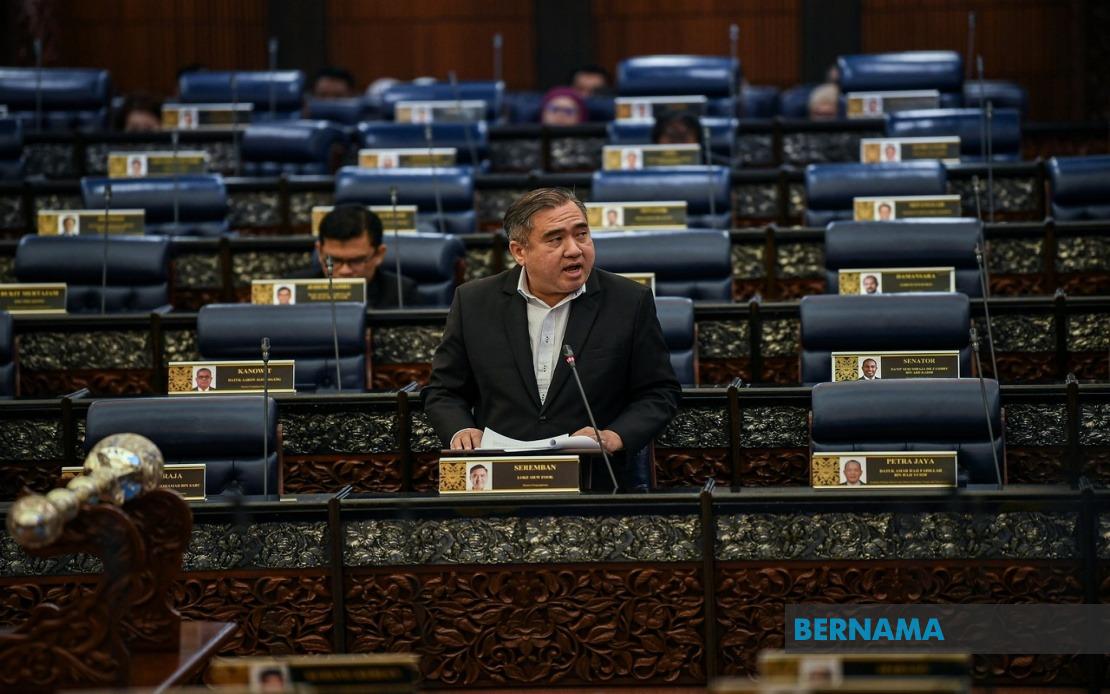
Transport Minister Anthony Loke has unveiled sweeping amendments to Malaysia's road laws designed to combat the persistent problem of illegal street racing, introducing for the first time a standalone offence specifically targeting racing and speed trials conducted on public roads. The Road Transport (Amendment) Bill 2025, tabled during the second reading in the Dewan Rakyat, marks a significant shift in enforcement strategy by creating a dedicated criminal provision rather than forcing authorities to rely on existing dangerous driving statutes that have proven difficult to apply consistently in racing cases.
Currently, authorities grappling with illegal racing incidents must prosecute offenders under general dangerous driving provisions contained within the Road Transport Act 1987. This approach has created considerable gaps in enforcement, as prosecutors must establish causation between the racing activity and either an accident, injury or fatality to secure convictions. The existing framework essentially requires something catastrophic to occur before meaningful legal action can materialise, leaving enforcement officers unable to intervene preemptively when they encounter racing activities on public roads without an accompanying accident.
Under the proposed Section 42A, this enforcement bottleneck would be eliminated entirely. Authorities would gain the power to take immediate action against racing or speed-testing activities without waiting for dangerous consequences to materialise. Transport Minister Loke provided a concrete illustration of this change, explaining that if two motorcyclists engage in competitive racing or speed trials against one another on a public road, enforcement officers could now initiate prosecution even if the illegal activity concludes without incident. Similarly, motorists who unauthorise public roads as testing grounds for vehicle performance would face legal consequences before creating actual hazards.
The penalty structure established by the new provision creates strong deterrents through escalating consequences. First-time offenders convicted of illegal racing would face financial penalties ranging from RM2,000 to RM10,000, custodial sentences of up to two years, or a combination of both. This approach recognises that some offenders may respond more effectively to monetary punishment, while others require the threat of incarceration to modify behaviour. However, individuals who persist in racing activities after an initial conviction face substantially harsher consequences, with second and subsequent convictions carrying fines between RM5,000 and RM20,000 alongside imprisonment terms extending to five years or both penalties combined.
The escalating penalty structure reflects legislative acknowledgment that repeat offenders represent an elevated risk category requiring stronger societal protection mechanisms. By doubling and tripling the potential financial consequences while extending maximum imprisonment periods, the amendments signal that persistent street racing constitutes a serious threat to public safety warranting substantial legal consequences. This graduated response approach aligns with contemporary criminal justice philosophy recognising that escalating penalties can deter continued offending more effectively than uniform punishment levels.
Beyond the specific racing provision, the Bill introduces Section 110B, which criminalises a broader range of obstructive behaviours threatening enforcement effectiveness. Individuals who obstruct, interfere with, assault, threaten or follow enforcement officers' vehicles now face potential liability. Additionally, those who share information about enforcement operations designed to assist offenders in evading lawful apprehension would violate this new provision. The penalties established include fines ranging from RM10,000 to RM50,000, imprisonment from one to five years, or both, with such offences classified as arrestable without requiring warrant authorisation.
This secondary provision addresses a persistent challenge confronting enforcement agencies: the coordination networks that relay real-time operational intelligence to street racing communities, enabling offenders to avoid detection or apprehension. By criminalising information-sharing that facilitates evasion, authorities gain tools to disrupt the communication infrastructure supporting illegal racing culture. The arrestable classification removes procedural impediments that might otherwise delay officer action, streamlining enforcement operations against those most directly supporting racing activities.
The amendments also target commercial vehicle offences and non-compliant vehicles that create disproportionate road hazards. By strengthening provisions governing overloaded commercial vehicles and enforcement against vehicles operating in violation of roadworthiness standards, the Bill expands protection beyond the specific racing concern. Transport Minister Loke framed these provisions as integral to comprehensive enforcement strengthening, particularly against commercial transport operators whose non-compliance creates widespread safety risks affecting multiple road users simultaneously.
Compound fine structures would undergo significant revision under the proposed amendments, with minimum compound offers increasing from RM300 to RM500. However, authorities would retain discretion in determining actual compound amounts, with final figures varying according to offence severity, temporal factors affecting settlement, and established procedural guidelines. By increasing baseline compound rates while preserving enforcement officer discretion, the amendments acknowledge that identical offence categories may warrant differentiated financial responses depending on contextual circumstances.
Implementation of the new maximum compound rates would be staggered, with effectiveness deferred until January 1, 2029, allowing a transitional period for public awareness campaigns and enforcement agency preparation. This extended timeline reflects recognition that significant regulatory changes require institutional adjustment periods, training requirements for enforcement personnel, and public education initiatives ensuring road users understand modified legal obligations and consequences. The delayed implementation schedule demonstrates legislative awareness that sudden regulatory shifts without adequate preparation can create enforcement inconsistencies and public confusion.
For Malaysian motorists and road safety advocates, these amendments represent a watershed moment in combating illegal racing culture that has persisted despite longstanding public disapproval and occasional fatal consequences. The specific criminalisation addresses a genuine enforcement gap that had frustratingly limited police response capabilities to racing activities observable but not immediately dangerous. Additionally, the enhanced penalties against obstructive behaviour acknowledge that racing culture survives partly through coordinated information networks requiring active dismantling through legal mechanisms.
Regionally, Malaysia's approach follows patterns established by other Southeast Asian jurisdictions increasingly confronting illegal racing phenomena, particularly among younger demographic cohorts with automotive interests seeking unstructured outlets for performance testing. By establishing dedicated racing offences rather than relying on general dangerous driving statutes, Malaysia aligns with jurisdictions recognising racing as requiring specialised enforcement attention. This legislative development suggests growing regional recognition that street racing constitutes a distinct public safety challenge requiring targeted legal responses rather than generic dangerous driving prosecutions.
The Bill's passage through Parliament would establish one of the region's more comprehensive anti-racing legislative frameworks, potentially influencing neighbouring jurisdictions confronting similar enforcement challenges. Transport Minister Loke's detailed articulation of enforcement gaps and legislative solutions provides a persuasive evidence-based foundation for the amendments, demonstrating that Malaysia's approach stems from documented enforcement experience rather than reactive lawmaking. As the Bill progresses toward enactment, it represents a meaningful evolution in Malaysian road safety policy acknowledging that effective enforcement requires specific legal tools precisely calibrated to address distinct categories of road conduct.