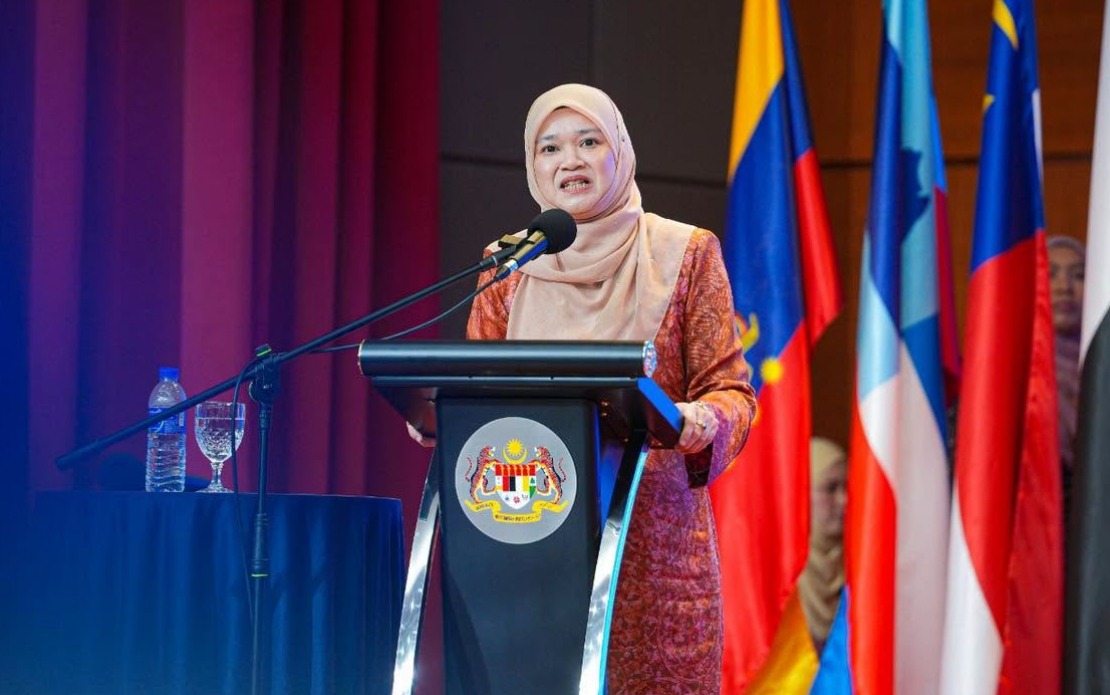
The Education Ministry is moving to formally recognise achievements in sports and co-curricular activities completed by students within Malaysia's prison institutions, with the intention of strengthening their applications for university admission. Minister Fadhlina Sidek announced the initiative while closing the 17th Hijrah Kasih Programme, a joint effort between MOE and the Malaysian Prison Department held in Kajang. The programme underscores the government's commitment to ensuring that incarcerated students do not face educational disadvantages after completing their secondary schooling, recognising that their circumstances should not determine their future prospects.
The move represents a fundamental shift in how the education system views achievement and merit among vulnerable student populations. By incorporating Physical, Sports and Co-curricular Assessment (PAJSK) scores into university admission considerations, MOE aims to provide a more holistic evaluation of applicant qualities. Deputy Director-General of Education Datuk Zainal Abas outlined an ambitious timeline, stating that PAJSK scores from prison schools should receive formal recognition by the end of this year, enabling candidates from the 2027 SPM cohort onwards to receive up to 10 per cent additional merit weighting when submitting university applications. This mechanism acknowledges that character development, discipline, and teamwork cultivated through sporting and extracurricular engagement hold genuine value in predicting student success at tertiary institutions.
Beyond athletic recognition, the ministry is exploring pathways for incarcerated students to obtain formal vocational qualifications that will carry weight in the job market. Discussions with the Technical and Vocational Education and Training division focus on certifying skills acquired during detention, such as sewing and food preparation. This approach transforms prison education from a purely academic exercise into practical preparation for reintegration into society. When students complete their sentences and return to civilian life, these certified competencies provide tangible economic prospects, reducing recidivism risks and enhancing social rehabilitation outcomes. The dual focus on both university pathways and vocational credentials reflects recognition that not all incarcerated youth will pursue higher education, yet all deserve legitimate avenues toward dignified employment.
The achievement of a 100 per cent pass rate in SPM examinations for two consecutive years among prison school students demonstrates that educational success in challenging circumstances is entirely achievable. This statistic rebuts assumptions that detention automatically precludes academic excellence. Fadhlina emphasised that outcomes depend not on physical location or institutional setting but on individual determination and motivation—a powerful statement that shifts blame away from the environment and toward personal agency. For Malaysian policymakers and educators, this result suggests that comparable investment in pedagogical quality and student support across all school settings, regardless of whether pupils are incarcerated, yields measurable returns. The finding also challenges societal stigma surrounding imprisoned youth, presenting evidence that they can meet academic standards equivalent to their peers in conventional schools.
Parental engagement emerges as another critical component in this educational framework, with MOE recognising that family support proves essential during students' most challenging periods. Incarcerated youth face unique psychological and social pressures; maintaining connection with relatives who demonstrate belief in their potential significantly influences motivation and resilience. The ministry's acknowledgment of parental responsibility reflects understanding that education within detention facilities operates within a broader ecosystem of family, community, and institutional factors. Encouraging ongoing parental involvement—through visits, correspondence, and participation in programme milestones—creates psychological anchors that help students maintain hope and commitment to academic and personal development goals.
Digital access stands as another frontier in equalising educational opportunity for incarcerated students. MOE is investigating provision of controlled access to the DELimA (Digital Educational Learning Initiative Malaysia) platform, which would enable prison school students to participate in online learning and access contemporary educational resources. This initiative recognises that geographical isolation and institutional constraints should not prevent exposure to technology-enabled pedagogy that has become standard in mainstream Malaysian education. However, implementation requires careful calibration of security protocols with educational access—a balance that institutions must navigate thoughtfully. By ensuring that prison school students can engage with digital learning comparable to their counterparts outside, MOE works toward genuine equity rather than mere compensatory education.
Teacher support and professional development at integrity schools and Henry Gurney schools nationwide forms the foundation for implementing these expanded initiatives. Educators working in correctional settings face distinct challenges: managing mixed-age cohorts with severe trauma histories, limited resources, and restricted movement. Providing these teachers with access to DELimA and contemporary pedagogical tools recognises their professionalism and commitment. When educators possess modern teaching resources and platforms, they can deliver instruction that matches quality standards in traditional schools. This investment in teacher capability signals that MOE regards prison education as a legitimate specialisation deserving professional recognition and ongoing development—not a career dead-end but a meaningful contribution to national rehabilitation objectives.
The recognition of vocational and co-curricular achievement also addresses gaps in Malaysia's educational ecosystem where certain competencies and character attributes remain invisible in formal qualification structures. Many employers value demonstrating responsibility, teamwork, perseverance, and technical skill more than academic credentials alone. By formalising recognition of these attributes through PAJSK scores and vocational certificates, the education system creates bridges between school-based achievement and employment readiness. For incarcerated youth, this approach proves particularly valuable: their achievements within constrained environments become evidence of exceptional determination and character, qualities that mature employers actively seek.
The broader implications of this policy extend beyond individual student trajectories to shape Malaysia's approach toward rehabilitation and social reintegration. Countries with higher recidivism rates typically neglect educational pathways during incarceration, whereas those emphasising qualification acquisition and credential recognition see measurably better outcomes post-release. By aligning prison education with mainstream educational frameworks and university admission criteria, MOE positions the education system as a vehicle for social mobility among the most marginalised populations. Young offenders who gain university admission or secure employment through vocational credentials move toward productive citizenship, benefiting wider society through reduced crime rates and increased economic contribution.
Implementing these initiatives requires coordination across multiple government agencies beyond MOE, including the Malaysian Prison Department, tertiary institutions, and employers. Universities must develop transparent criteria for how PAJSK scores factor into admissions, ensuring genuine consideration rather than tokenistic recognition. Prison authorities must maintain security while facilitating extracurricular and digital learning opportunities. Employers must embrace hiring graduates whose qualifications include prison-acquired certifications, overcoming potential prejudice. This multi-stakeholder approach transforms education within prisons from an isolated correctional function into an integrated component of Malaysia's broader educational and economic systems.
The initiative also reflects international best practice in criminal justice reform, where evidence increasingly demonstrates that education represents one of the most effective rehabilitation tools. Incarcerated individuals who participate in educational programmes show significantly lower recidivism rates than non-participants. Malaysia's decision to expand educational recognition and access for prison students aligns with this evidence base while addressing Southeast Asian challenges of youth crime and overcrowded correctional institutions. As the region grapples with rising crime rates and prison overcrowding, educational pathways offer sustainable solutions that address root causes rather than merely extending detention cycles. By positioning education as central to rehabilitation rather than peripheral, MOE contributes to broader criminal justice modernisation across the region.

