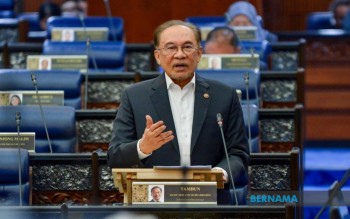
Prime Minister Datuk Seri Anwar Ibrahim has signalled the government's intention to investigate the viability and implementation framework for creating a strategic national petroleum reserve, positioning the initiative as a critical component of Malaysia's broader energy security architecture in an increasingly volatile global landscape. The decision emerged from the first National Energy Council Meeting of 2026, which Anwar presided over, underscoring how central energy planning has become to Cabinet-level deliberations as the country navigates competing pressures from geopolitical tensions and international supply chain vulnerabilities.
The establishment of such a reserve would represent a significant policy shift for Malaysia, traditionally reliant on its own hydrocarbon resources and regional trade networks. By stockpiling petroleum supplies strategically, the country could insulate itself against sudden external shocks—whether from conflict in critical shipping lanes, sanctions regimes, or unexpected demand surges that might temporarily constrain global availability. This approach mirrors measures adopted by developed nations and regional peers, reflecting growing recognition that energy independence cannot rest on production capacity alone. For Malaysian policymakers, the calculus involves weighing the capital requirements and ongoing maintenance costs against the insurance value of such reserves during crisis periods.
Simultaneously, Anwar emphasised that this defensive posture must complement rather than undermine Malaysia's energy transition commitments. Renewable energy capacity has grown substantially, reaching 31 per cent of installed generation as of December 2025, demonstrating tangible progress in reducing the country's historical dependence on coal-fired power plants. This trajectory aligns Malaysia with regional and global decarbonisation targets whilst diversifying the energy portfolio away from fossil fuels. The strategic petroleum reserve therefore occupies an interesting middle ground—securing short-term energy stability whilst longer-term structural shifts toward cleaner sources proceed apace.
The government has accelerated renewable energy deployment through the Corporate Renewable Energy Supply Scheme (CRESS), a market-based mechanism allowing businesses to procure green power directly. Critically, CRESS now incorporates Battery Energy Storage System (BESS) technology, addressing one of renewable energy's fundamental limitations: intermittency. Battery storage enables energy captured during peak generation periods—such as midday solar production—to be discharged when demand rises or weather conditions reduce output. For Malaysia's manufacturing and digital sectors, this combination enhances grid reliability and justifies longer-term investment in industrial operations powered by renewables.
Beyond electricity generation, Malaysia is pursuing sustainable fuels in the transport sector, where emissions remain stubborn despite global electrification trends. The B15 biodiesel programme, which blends 15 per cent biofuel content into conventional diesel, has gained traction as a transitional measure whilst electric vehicle infrastructure matures. Petronas's planned biofuel hub in Pengerang, Johor, will anchor downstream production capacity, potentially positioning Malaysia as a regional biofuel exporter and creating high-value manufacturing employment. This approach leverages the country's existing petrochemical expertise and port infrastructure whilst reducing transport-sector emissions without requiring wholesale fleet replacement immediately.
Public transport electrification represents another tangible manifestation of Malaysia's energy transition. The deployment of 250 electric buses nationwide and expansion of electrified rail networks totalling 800 kilometres address urban congestion whilst eliminating local air pollution. These investments yield immediate quality-of-life improvements in major cities whilst reducing the overall energy intensity of passenger mobility. The projects also create domestic demand for battery manufacturing and electric motor technologies, potentially stimulating indigenous industrial development in a sector where Malaysia currently lags regional competitors.
Sarawak's hydrogen hub development, with Phase 1 completion targeted for end-2026, signals Malaysia's ambitions in emerging energy technologies. Hydrogen, particularly green hydrogen produced via electrolysis using renewable power, offers potential applications in heavy industry, long-distance transport, and energy export. For an energy-exporting nation like Malaysia, hydrogen presents a novel revenue stream and technological leadership opportunity. Sarawak's abundant hydroelectric resources make it a logical pilot location, and successful demonstration could position the state as a hydrogen production hub for Southeast Asia and beyond.
The government's dual focus on strategic petroleum reserves and accelerated renewable deployment reflects a mature understanding that energy transitions occur gradually rather than through overnight substitution. Fossil fuels will remain part of the Malaysian energy mix for decades, requiring stable supplies and price management. Simultaneously, the transition to renewables, biofuels, and emerging technologies cannot occur without complementary infrastructure investments and market mechanisms. This balancing act extends beyond technical engineering; it encompasses workforce retraining, investor confidence in regulatory frameworks, and public acceptance of lifestyle changes associated with electrified transport and energy efficiency standards.
For Malaysian businesses and investors, these policy signals carry significant implications. Companies planning long-term operations in energy-intensive sectors should anticipate rising renewable energy availability and lower long-term power costs from CRESS participation. However, near-term energy costs may remain volatile due to global supply uncertainties, making prudent hedging strategies essential. Infrastructure investors should monitor the B15 biodiesel rollout and electric public transport expansion, as these programmes create opportunities across equipment manufacturing, construction, and technology integration sectors.
Regionally, Malaysia's coordinated approach to energy security and transition sends important signals to ASEAN partners. Southeast Asia remains heavily reliant on fossil fuel imports, making regional cooperation on strategic reserves and renewable energy infrastructure increasingly vital. Malaysia's willingness to invest in hydrogen and biofuel hubs could catalyse similar initiatives across the region, creating integrated energy markets and supply chains. The geopolitical context—with major power competition for energy resources and supply chain influence—makes such regional coordination both urgent and strategically consequential.
Looking ahead, the success of these initiatives depends critically on implementation consistency and adequate funding. The National Energy Council meetings, now elevated to first-rank policy forums, signal serious commitment. However, translating decisions into operational capacity requires coordinated action across multiple agencies, state governments, and private sector partners. The petroleum reserve study will likely take months to complete, involving assessments of optimal reserve levels, storage infrastructure requirements, and financing mechanisms. During this period, broader renewable energy deployment and transport electrification will continue, gradually reshaping Malaysia's energy landscape whilst strategic petroleum reserves provide a safety net against external shocks.

