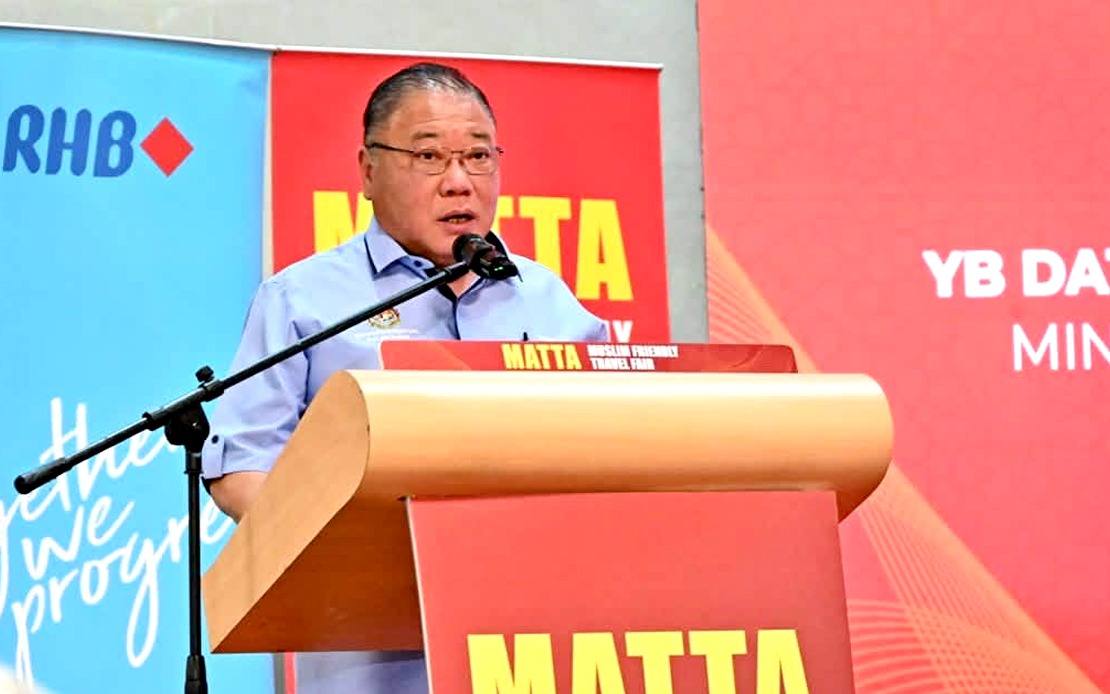
The Malaysian government is taking decisive action to regulate the umrah travel industry by establishing a floor pricing mechanism alongside mandatory service standards, according to Tourism, Arts and Culture Minister Datuk Seri Tiong King Sing. The initiative, unveiled at the Malaysian Association of Tour and Travel Agents Muslim Friendly Travel Fair 2026, represents a significant policy shift aimed at protecting the growing number of Malaysian pilgrims seeking to perform the Islamic pilgrimage to Saudi Arabia.
The proposed framework will require all umrah travel operators to respect a government-determined minimum package price, ensuring that operators cannot engage in a ruinous race to the bottom that ultimately compromises service quality. Crucially, the mechanism will mandate that operators transparently disclose every service included within each price tier, eliminating the ambiguity and hidden cost structures that have plagued the sector. This transparency requirement addresses a long-standing consumer complaint where operators advertise deceptively cheap packages only to impose unexpected charges during the journey.
Tiong emphasised the urgency of the regulatory intervention during his remarks to industry stakeholders, noting that consultation with multiple government agencies including Tabung Haji and the Minister in the Prime Minister's Department handling Religious Affairs has already commenced. The involvement of Tabung Haji, Malaysia's Islamic pilgrimage fund which manages hajj and umrah travel for millions of Malaysian Muslims, signals the administration's commitment to treating this issue with the seriousness it warrants. The minister stressed to his ministry's senior officials that establishing a clear baseline price point is non-negotiable, creating boundaries within which operators must function responsibly.
The fundamental problem the government seeks to address stems from predatory pricing practices that have created genuine hardship for vulnerable pilgrims. Some operators have historically offered packages at unsustainably low rates, only to strand pilgrims in Saudi Arabia unable to afford return flights, or to deny them essential services promised at point of sale. By anchoring pricing to a realistic floor, the government aims to prevent situations where individuals complete their umrah but cannot physically return home, or arrive unable to fulfil their intended religious obligations due to substandard accommodation or logistics.
The regulatory framework will accommodate market differentiation through tiered packaging systems. Operators may continue offering various product lines—branded as Premium, Gold, Silver, or Platinum categories—but each tier must maintain minimum price thresholds appropriate to its service level. This approach preserves competitive dynamism and consumer choice while preventing the race-to-the-bottom dynamic that has created a market for genuinely unsafe or exploitative operators. The stratification allows operators to compete on service quality, destination experiences, and added value rather than simply undercutting competitors into insolvency.
Beyond the immediate consumer protection objective, the policy reflects broader Malaysian strategic thinking about positioning the nation as a leader in Muslim-friendly tourism. Competition for Muslim travel spending has intensified across the Asia-Pacific region, with destinations previously not known for Islamic tourism actively developing halal and Muslim-accommodation infrastructure. Tiong cited Macau's expansion of halal dining options, Muslim-friendly hotel facilities, prayer spaces at airport terminals, and dedicated travel information services for Muslim visitors as evidence that Malaysia cannot assume its traditional advantages in this market.
The regulatory initiative also serves to protect Malaysia's reputation and brand positioning in Muslim tourism markets. When Malaysian operators engage in exploitative practices, the reputational damage extends beyond individual companies to taint Malaysia's broader image as a Muslim-friendly destination. Regional and international Muslim communities increasingly share information about their travel experiences across digital networks, making a single negative experience potentially damaging to Malaysia's tourism appeal across multiple markets. The government's willingness to enforce standards thus benefits responsible operators and the tourism industry as a whole.
The hospitality and tourism sectors face pressure to innovate continuously in meeting evolving Muslim traveler expectations. Beyond halal food certification and prayer facilities—now baseline requirements—operators must develop distinctive experiences, leverage technology for seamless booking and customer service, and integrate sustainability practices increasingly important to modern Muslim travelers. The minimum pricing mechanism, paradoxically, may encourage rather than constrain innovation by removing the pressure to strip services to bare-bones levels to achieve competitive pricing.
Industry collaboration will prove essential to implementing the new framework effectively. The government has signalled its expectation that tourism operators, travel agents, accommodation providers, and airlines will work collectively to establish and maintain service standards consistent with their designated price tier. Rather than imposing prescriptive regulations, the government appears inclined toward collaborative rule-setting that allows industry expertise to inform practical standards while maintaining consumer protection objectives. This approach harnesses industry knowledge whilst maintaining government oversight.
The policy carries significant implications for Malaysia's broader positioning within the Islamic economy ecosystem. As Muslim-majority nations compete intensely for pilgrimage and religious tourism spending, regulatory quality and consumer protection serve as competitive differentiators. Pilgrims increasingly seek destinations offering not merely religious significance but professional, transparent, and trustworthy services. By establishing these protections, Malaysia signals commitment to respecting pilgrims as valued customers entitled to reliable service delivery, potentially attracting discerning travelers from neighbouring Muslim-majority nations where regulatory protections remain weaker.
For Malaysian consumers, the policy offers tangible protection against financial exploitation and service failure. The transparency requirements ensure consumers can make informed comparisons between operators, whilst minimum pricing eliminates the false economy of suspiciously cheap packages. Educational campaigns explaining the new requirements and helping pilgrims understand what constitutes appropriate service levels at various price points will likely form part of the implementation strategy, empowering consumers to advocate for their rights.
Implementation timelines and enforcement mechanisms remain undisclosed, but the government's stated determination and multi-agency coordination suggest policy development will proceed with reasonable urgency. The effectiveness of the new framework will ultimately depend on consistent enforcement, industry compliance, and consumer awareness of their rights under the new regulations. As the umrah market continues expanding alongside growing middle-class Muslim populations across Southeast Asia, establishing regulatory foundations now positions Malaysia to maintain industry leadership whilst protecting the vulnerable pilgrims who form the foundation of this economically significant and spiritually important sector.

