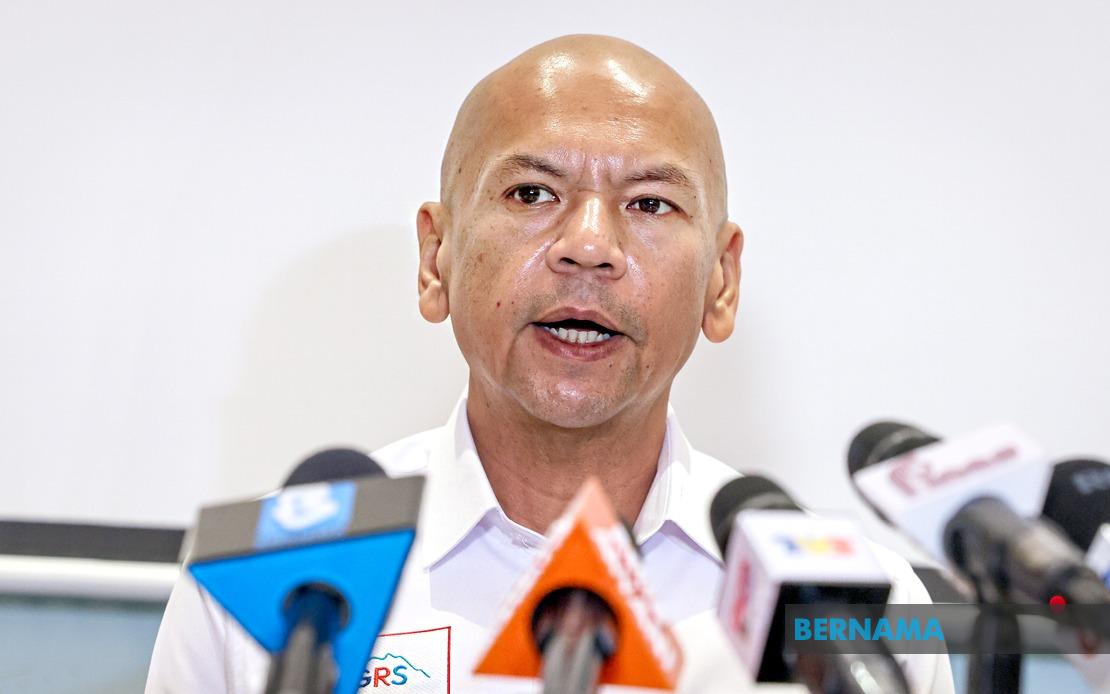
The Malaysian government is preparing to ramp up its Rahmah MADANI sales initiative as part of a broader strategy to cushion citizens against persistent inflation in everyday consumer goods. Datuk Armizan Mohd Ali, Minister of Domestic Trade and Cost of Living, announced the expansion plans during a visit to Labuan, signalling the administration's commitment to making essential items more accessible to ordinary Malaysians grappling with higher household expenses.
The Rahmah MADANI Sales Programmes currently operate on a monthly rotation, with nine sales sessions held across various state and district locations throughout the nation. Each event offers consumers the opportunity to purchase staple goods at significantly reduced prices—typically between 10 and 30 per cent below standard retail rates. This discount structure has proven popular among price-conscious shoppers seeking relief from mounting grocery bills and daily necessities.
Ministry officials have indicated flexibility in scaling up the programme's reach. Rather than adhering to a rigid nationwide schedule, the KPDN plans to tailor the frequency and timing of sales events to reflect specific regional conditions and consumer demand patterns. Areas experiencing particularly acute affordability challenges would receive priority attention, ensuring that resources are directed where they are most needed to make a tangible difference in family budgets.
Labuan and Limbang present unique economic circumstances that have drawn ministerial attention. Both locations face structural cost pressures linked to their geographical positions. The island territory of Labuan, separated from Sabah's mainland, incurs substantial transportation expenses that inevitably inflate commodity prices for resident consumers. Similar logistics challenges affect Limbang in Sarawak, where supply chain complexities translate into higher end-consumer costs. Armizan acknowledged these specific hardships and pledged that KPDN would investigate targeted interventions suited to these particular circumstances.
The proposed solutions extend beyond simply increasing sales frequency. The ministry has signalled intentions to collaborate with the Finance Ministry to develop more comprehensive, long-term mechanisms that address the root causes of elevated prices in geographically isolated communities. This suggests recognition that temporary discount programmes, while valuable, cannot fully resolve structural economic disparities between urban centres and remote regions.
However, the expansion strategy must navigate careful political and economic terrain. Local grocery retailers have raised concerns that proliferating government-sponsored sales events could substantially erode their daily revenues and threaten business viability. Small shop owners depend on regular customer traffic and stable margins to maintain operations and preserve livelihoods. The tension between consumer welfare and retailer sustainability represents a genuine policy dilemma requiring balanced consideration.
To address these competing interests, the ministry has committed to strategic programme planning that protects both constituencies. Officials will analyse which locations and timing slots minimise disruption to established retail operations whilst maximising consumer access to discounted essentials. This calibrated approach recognises that sustainable cost-of-living relief depends on preserving the retail ecosystem that ultimately serves consumers on regular shopping days.
The push to expand Rahmah MADANI reflects broader government anxiety about household purchasing power and consumer sentiment. Rising inflation has become a persistent political concern across Southeast Asia, with Malaysian families reporting genuine hardship when budgeting for food and utilities. Opposition voices have criticised the government for insufficient action, making visible demonstrations of cost relief politically essential.
Access information regarding upcoming sales events through the Rahmah MADANI Sales Programme Calendar, available on the KPDN official portal. This transparent scheduling mechanism enables consumers to plan their shopping strategically and take advantage of discounted periods, whilst giving retailers advance notice of programme timing to adjust their own business planning accordingly.
The expansion represents one component of a multi-pronged approach to affordability challenges. Complementary measures involving price monitoring, supply chain efficiency improvements, and targeted subsidies for vulnerable populations round out the broader strategy. Yet whether increased sales frequency can meaningfully impact Malaysia's inflation trajectory remains uncertain, particularly if underlying cost pressures persist in energy, transportation, and imported goods sectors.

