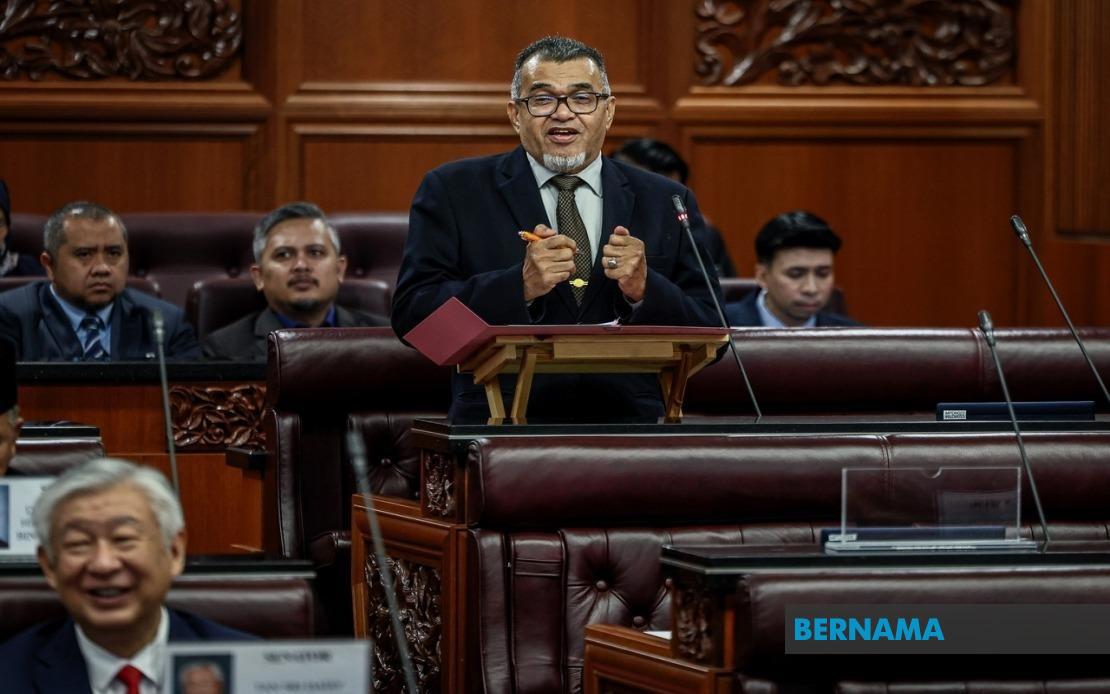
The Malaysian government is moving forward with a significant legislative overhaul designed to combat a growing epidemic of cable theft affecting the nation's rail networks. Deputy Transport Minister Datuk Hasbi Habibollah announced that proposed amendments to rail transport laws will introduce substantially harsher penalties, raising the maximum fine from the existing RM1,000 to RM100,000 for each offence of trespassing and stealing cables from railway facilities. The legislative changes are expected to be presented to Parliament during the upcoming session, with officials hopeful the stricter framework will receive approval by the end of the year.
The urgency of this legislative response reflects the scale of theft-related losses now plaguing Malaysia's extensive rail infrastructure. Across the three major rail networks—Keretapi Tanah Melayu Berhad (KTMB), Prasarana Malaysia Berhad, and the East Coast Rail Link (ECRL) project—cumulative losses from cable theft have reached approximately RM50 million. These figures underscore the transition of cable theft from a minor operational irritant into a substantial financial burden threatening the viability and reliability of rail services that millions of Malaysians depend upon for daily commuting.
The East Coast Rail Link project has been particularly vulnerable to these criminal activities. Security investigations have documented 71 separate cable theft incidents along the ECRL corridor, resulting in estimated losses totalling RM4.06 million. Additionally, 13 separate cases involving theft and damage to equipment and associated system materials have generated RM0.69 million in losses, bringing the total impact on the ECRL to RM4.75 million. Although the ECRL remains in its construction and commissioning phase rather than full operational service, these thefts carry troubling implications for project timelines, potentially delaying critical installation work, system testing, and the final operational preparations needed to bring this strategic infrastructure into service.
The government's assessment is that existing penalties have become inadequate deterrents given the magnitude of operational disruption and financial damage that cable theft inflicts on rail operators. Each stolen cable creates cascading problems throughout rail networks, from service cancellations that strand commuters to extended delays that ripple through entire transportation schedules. For operators like KTMB and Prasarana, these disruptions translate into revenue losses, operational inefficiencies, and reputational damage that extend far beyond the direct replacement cost of the stolen materials. The proposal to increase penalties tenfold—from RM1,000 to RM100,000—represents an attempt to introduce genuine financial consequences that will give potential offenders genuine pause before engaging in theft.
Beyond legislative measures, the government is simultaneously deploying technological and personnel-based security enhancements to strengthen physical protection of railway infrastructure. A comprehensive surveillance expansion is underway, with plans to install 1,146 closed-circuit television (CCTV) cameras spanning railway corridors from Johor throughout the northern regions of Peninsular Malaysia. This substantial investment in video surveillance aims to create a continuous monitoring network that will both deter thieves and provide law enforcement with documentary evidence for prosecutions.
Complementing the surveillance infrastructure, KTMB has acquired 20 scrambler motorcycles for deployment with the Auxiliary Police force, enabling more responsive and flexible 24-hour patrolling of railway properties. These mobile units allow security personnel to cover greater distances and reach remote sections of track more rapidly than traditional stationary checkpoints. In tandem with these technological and personnel measures, rail operators have implemented additional physical barriers, including the securing of high-risk access points such as underground maintenance tunnels and manholes, while also deploying trained K9 units—sniffer dogs—to detect human presence in restricted areas and provide an additional layer of deterrence.
The comprehensive approach combining legislative, technological, and ground-level security measures reflects official recognition that cable theft represents a multi-faceted challenge requiring coordinated responses across different domains. For Malaysian commuters and the broader economy, the success of these anti-theft initiatives carries significant implications. Reliable rail transportation underpins urban mobility, reduces traffic congestion, and provides affordable transport options for lower-income workers. Frequent service disruptions caused by cable theft undermine the utility of these systems and incentivize commuters to rely on private vehicles, exacerbating congestion and emissions while negating the efficiency gains that mass transit systems are designed to deliver.
The timing of this legislative push also reflects regional concerns about infrastructure security that extend beyond Malaysia. Across Southeast Asia, developing rail networks have become targets for organized metal theft operations that exploit remote sections of track and inadequate policing. Malaysia's experience with RM50 million in cumulative losses parallels challenges faced by authorities in neighbouring countries, suggesting that successful Malaysian initiatives—whether legislative, technological, or operational—could provide a model for regional responses to similar threats.
The financial calculus of cable theft is likely to shift dramatically if the RM100,000 fine becomes law. For opportunistic thieves operating at the individual level, a potential fine equivalent to years of income would serve as a powerful deterrent. For more organized criminal enterprises, the enhanced legal consequences combined with expanded surveillance coverage would substantially increase the operational risk associated with theft. Yet the success of this legislative reform will ultimately depend on consistent enforcement and prosecution, requiring adequate resources for investigation, prosecution, and court proceedings that can convert legal provisions into actual consequences for offenders.
For rail operators and commuters alike, the anticipated legislative changes represent a signal that the government recognizes the severity of the cable theft problem and is willing to deploy significant institutional resources to address it. Whether through enhanced penalties, surveillance infrastructure, or additional security personnel, the government's multi-track approach signals that protecting rail infrastructure integrity has become a priority issue. As Malaysia continues to invest in major rail projects like the ECRL and upgrades to existing networks, the strength of anti-theft measures will prove essential to ensuring that these infrastructure investments deliver the intended transportation benefits rather than becoming financially unsustainable through relentless criminal predation.

