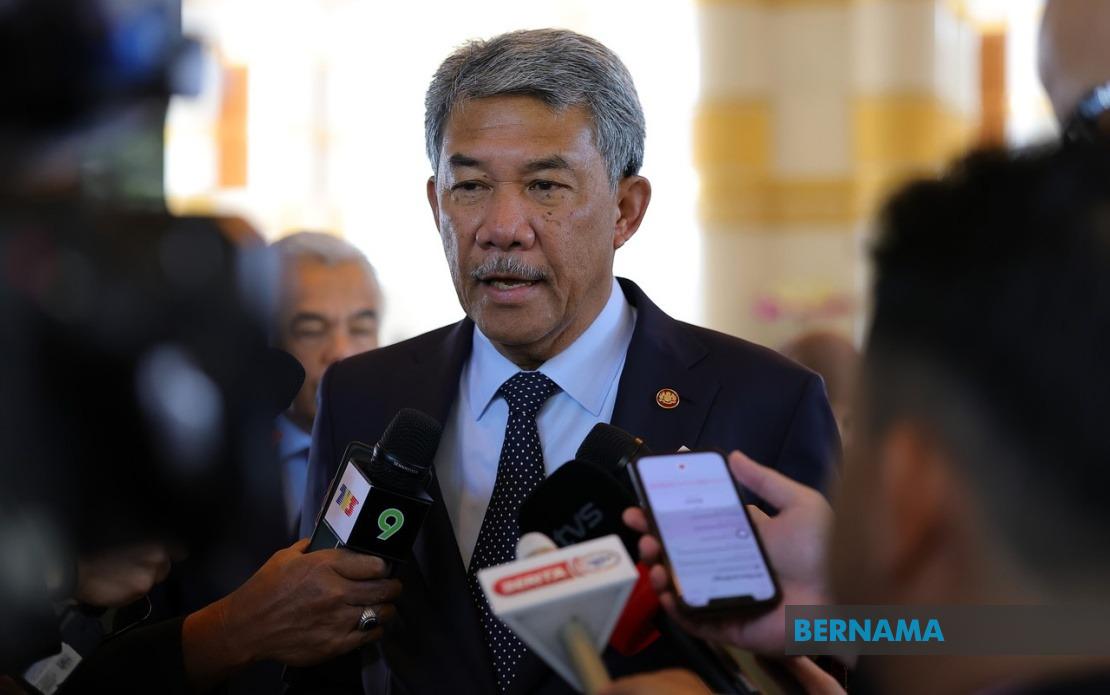
Malaysia is activating ASEAN's diplomatic machinery to combat the transboundary haze threatening air quality across several parts of the region, according to Foreign Minister Datuk Seri Mohamad Hasan. Speaking during a working visit to Brunei this week, the minister stressed that regional cooperation through established ASEAN frameworks represents the most practical avenue for tackling the environmental crisis that has already degraded air quality to dangerous levels in multiple locations.
The Malaysian government's coordinated approach will see the Ministry of Natural Resources and Environmental Sustainability (NRES) formally notify the ASEAN Secretariat of the issue and seek multilateral engagement. In parallel, NRES Minister Datuk Seri Arthur Joseph Kurup will initiate bilateral communications with his Indonesian counterpart, signalling Malaysia's intent to address the problem through both regional and direct country-to-country channels. This dual-track strategy reflects Kuala Lumpur's assessment that while ASEAN provides the broader institutional framework, direct engagement with Indonesia—where transboundary haze typically originates—remains essential for meaningful progress.
Morehamad's statements underline a key principle in Southeast Asian environmental diplomacy: that ASEAN remains the appropriate mechanism for resolving interstate challenges, despite occasional frustrations with the bloc's consensus-based decision-making process. The Foreign Minister's confidence in ASEAN's capacity to manage the crisis suggests Malaysia believes the organisation's existing protocols and coordination mechanisms can be effectively mobilised, even when addressing issues as complex as transboundary air pollution involving multiple source countries.
The timing of this announcement carries significance, coming during Mohamad's three-day official visit to Brunei that encompasses important bilateral engagements. The 27th Malaysia-Brunei Exchange of Letters meeting and the 27th Malaysia-Brunei Annual Leaders' Consultation provide platforms for direct political discussion of shared environmental concerns. Malaysian High Commissioner to Brunei Datuk Mohd Aini Atan previously indicated that Prime Minister Datuk Seri Anwar Ibrahim and Sultan Hassanal Bolkiah would address the haze situation during their discussions, confirming that air quality deterioration has become a matter of mutual regional priority at the highest political levels.
The urgency underpinning Malaysia's diplomatic mobilisation becomes evident when examining current air quality data. Sarawak has borne the brunt of the pollution episode, with the Serian District Police Headquarters recording an Air Pollutant Index (API) reading of 217 as of mid-afternoon—a classification indicating "very unhealthy" air conditions that pose significant health risks to the general population. This represents the most severe reading among monitored locations, though the problem extends across multiple districts throughout the state.
Beyond Serian, nine additional areas in Sarawak registered API readings in the "unhealthy" range, which necessitates advisories for vulnerable population groups including children, the elderly, and individuals with respiratory or cardiovascular conditions. Sri Aman recorded 186, followed by Sarikei at 173, Kuching at 171, Samarahan at 170, and the combined reading for Sibu and Samalaju at 156. Bintulu measured 153, Mukah 125, and Kapit 108 according to the Malaysian Air Pollutant Index Management System (APIMS). The geographic spread of elevated readings across Sarawak's east and west divisions indicates that the haze phenomenon affects both densely populated urban centres and more rural areas.
The persistence and intensity of current haze levels reflect a recurring seasonal challenge for Malaysia and the broader ASEAN region. Transboundary smoke from land clearance and agricultural burning in neighbouring Indonesia regularly drifts across maritime boundaries, creating public health emergencies and straining bilateral relationships. The phenomenon typically intensifies during the dry season, when agricultural and industrial burning activities peak on the Indonesian side of the border. Malaysia's recurring exposure to this transboundary pollution has prompted the government to formalise its response mechanisms and strengthen diplomatic engagement aimed at reducing burning activities upstream.
Indonesia's cooperation remains crucial to any sustainable solution, as the vast majority of transboundary haze affecting Malaysia originates from burning in Kalimantan and Sumatra. While Indonesia has implemented policies and enforcement mechanisms to discourage open burning, enforcement challenges persist across its sprawling landmass. Malaysia's decision to engage both through ASEAN channels and direct bilateral communications reflects recognition that addressing the problem requires sustained diplomatic pressure coupled with practical cooperation on monitoring and enforcement of environmental regulations.
The ASEAN Secretariat has previously coordinated regional responses to haze crises, though the bloc's consensus-based approach sometimes limits the speed and stringency of collective action. Malaysia's emphasis on using ASEAN mechanisms suggests confidence that current momentum within the organisation can facilitate concrete measures. The bloc's commitment to the Regional Haze Action Plan and various environmental protocols provides an institutional foundation upon which Malaysia can build its appeal for coordinated regional action.
For Malaysian businesses and residents, particularly those in Sarawak, the government's diplomatic activation represents an attempt to address the root causes of recurring air quality crises rather than merely responding to the symptoms. Proactive engagement at the ASEAN level signals that Kuala Lumpur is pursuing long-term solutions rather than accepting transboundary haze as an inevitable seasonal phenomenon. However, the success of these diplomatic efforts ultimately depends on Indonesia's capacity and willingness to enhance enforcement of anti-burning regulations and support sustainable land management practices among its agricultural and plantation sectors.
The convergence of Malaysia-Brunei bilateral discussions with the broader haze crisis also highlights how environmental issues increasingly intersect with high-level political engagement in Southeast Asia. Neither country can unilaterally solve the problem, but both face direct impacts on public health and quality of life. By elevating the issue to prime ministerial and sultanal discussions, Malaysia signals that transboundary haze warrants attention commensurate with traditional foreign policy priorities, a framing that may strengthen the region's collective resolve to pursue meaningful solutions.

