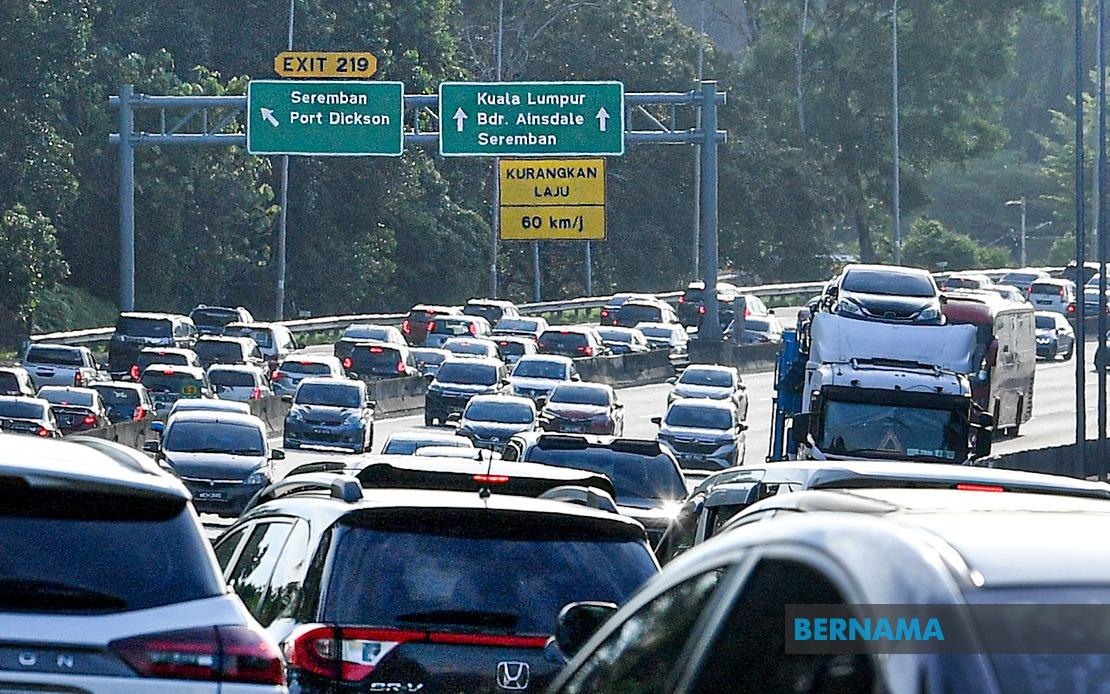
Malaysia's government has moved to strengthen protections for road crash victims by requiring offenders to provide financial compensation as part of their court sentences. The Cabinet decision to amend the Road Transport Act 1987 represents a significant shift in how the country addresses the fallout from fatal and serious accidents caused by negligent driving, particularly incidents involving impaired operators.
Dr Zulkifli Hasan, the Minister in the Prime Minister's Department (Religious Affairs), expressed firm backing for the legislative initiative, characterising it as consistent with ongoing departmental work to examine implementation of the diyat mechanism—a compensation framework rooted in Islamic jurisprudence. Since February, his ministry has collaborated with muftis and legal specialists to develop a framework that balances victim protection with judicial fairness and clarity. The minister stressed that any compensation mechanism must be crafted to eliminate gaps and vulnerabilities while safeguarding the financial security of families who lose their primary earners in road tragedies.
The amendment proposal follows Transport Minister Anthony Loke's announcement on Friday that Cabinet approval had been secured in principle. Under the proposed changes, judges would gain the authority to impose compensation orders on drivers convicted of causing crashes, functioning as a supplement to existing criminal sentences of imprisonment and monetary fines. This dual approach aims to ensure that perpetrators face both punitive and restitutive consequences for their actions, while enabling victims to recover financial losses without pursuing separate civil litigation—a process that typically consumes years and considerable legal expense.
The severity with which Malaysia's authorities view impaired driving is evident in ministerial statements. Dr Zulkifli underscored that individuals who cause death or serious harm through gross negligence—particularly those driving under the influence of alcohol or controlled substances—should not be permitted to escape with token penalties. Such infractions demand comprehensive financial accountability to the injured parties and bereaved families. By anchoring compensation within criminal sentencing, the government seeks to expedite justice delivery and acknowledge the tangible losses families endure when breadwinners are killed or disabled in road incidents.
Federal Territories Mufti Ahmad Fauwaz Fadzil affirmed that the legislative direction represents a watershed moment in ensuring justice encompasses not merely the punishment of wrongdoers but addresses the genuine suffering imposed on victims and their kin. His statement framed the amendment as harmonious with Islamic legal principles, which prioritise the sanctity of human life and the protection of victim interests through diyat compensation. The mufti characterised the move as aligned with maqasid syariah—the overarching objectives of Islamic law—by preserving life, defending rights, and implementing fair restitution mechanisms that help families restore their livelihoods after loss.
The Malaysian Syarie Lawyers Association (PGSM), represented by president Musa Awang, pledged readiness to lend professional expertise to the legislative drafting process. The association highlighted the rising incidence of crashes stemming from drunk and drug-impaired driving, as well as illegal street racing activities, which have increasingly claimed lives and inflicted grave injuries. Awang argued that robust legal frameworks addressing these behaviours must accomplish multiple objectives: deliver swift justice without prolonged court procedures, deter future offending through meaningful consequences, and materially alleviate the hardship experienced by injured persons and bereaved families. The association characterised the amendment as advancing maqasid syariah goals by combining proportionate punishment with effective deterrence and pragmatic support for victims.
For Malaysian readers and Southeast Asian observers, this legislative development carries several implications. The amendment recognises a persistent gap in current law: offenders convicted of causing death or injury rarely face financial obligations toward their victims beyond general court-ordered compensation that requires separate civil action. By integrating compensation into criminal sentences, Malaysia joins jurisdictions that treat restitution as a core element of accountability rather than an optional civil remedy. This approach particularly benefits lower-income families who lack resources to hire lawyers for protracted civil cases.
The involvement of Islamic legal scholars and the explicit framing of compensation through diyat principles also signal Malaysia's effort to ensure that modern road safety policy and traditional jurisprudential values reinforce rather than contradict each other. This alignment matters in a Muslim-majority nation where legislative legitimacy often depends on demonstrable consistency with religious teachings. By grounding the amendment in Islamic principles of justice and victim protection, policymakers strengthen domestic support and demonstrate that robust traffic enforcement can coexist with religious values.
Practical implementation challenges remain unaddressed in current public statements. Determining appropriate compensation levels, ensuring offenders can actually pay ordered sums, and integrating compensation into sentencing guidelines will require careful calibration. The involvement of the Mufti Department, legal associations, and the Prime Minister's religious affairs ministry suggests these matters will receive sustained attention during the drafting phase. However, the success of any amendment ultimately depends on court willingness to impose meaningful compensation and mechanisms to enforce payment, particularly when offenders lack financial resources.
The timing of this initiative reflects mounting public concern over road fatalities in Malaysia, where annual crash deaths remain among Southeast Asia's highest. A compensation-centred approach addresses not only criminal justice but the economic devastation wrought on surviving family members, many of whom face sudden loss of household income without recourse. By ensuring that punishment includes financial accountability, the amendment seeks to make offenders—rather than taxpayers or bereaved families—bear the true cost of their negligence.
Regional observers will watch how Malaysia implements this amendment, as the framework could influence road safety policy across Southeast Asia. Countries grappling with similar traffic fatality challenges may adopt comparable approaches, particularly if initial implementation demonstrates tangible benefits for victim families while maintaining proportionate sentencing. The explicit incorporation of Islamic legal principles into a modern regulatory mechanism also offers a template for other Muslim-majority nations seeking to reconcile contemporary governance challenges with traditional jurisprudential frameworks.
The legislative pathway forward involves Cabinet approval and parliamentary enactment of the amendment bill. Stakeholders have positioned themselves to contribute during drafting, suggesting relatively smooth procedural movement, though amendments may emerge during parliamentary debate. The core principle—that financial accountability accompanies criminal punishment for road offences—appears to enjoy broad political and religious support, creating favourable conditions for passage. Once enacted, the law will represent a significant evolution in how Malaysia addresses the consequences of negligent driving and protects vulnerable populations from economic devastation.

