The Malaysian government is moving to close regulatory gaps in the courier industry by revising the Postal Services Act, with Communications Minister Datuk Seri Fahmi Fadzil announcing that proposed amendments will be presented to Parliament during the first or second sitting of 2025. The legislative push reflects mounting concern among law enforcement agencies about the vulnerabilities within Malaysia's expanding logistics ecosystem, which has become an increasingly attractive channel for criminal organisations seeking to distribute illicit substances across the country and throughout Southeast Asia.
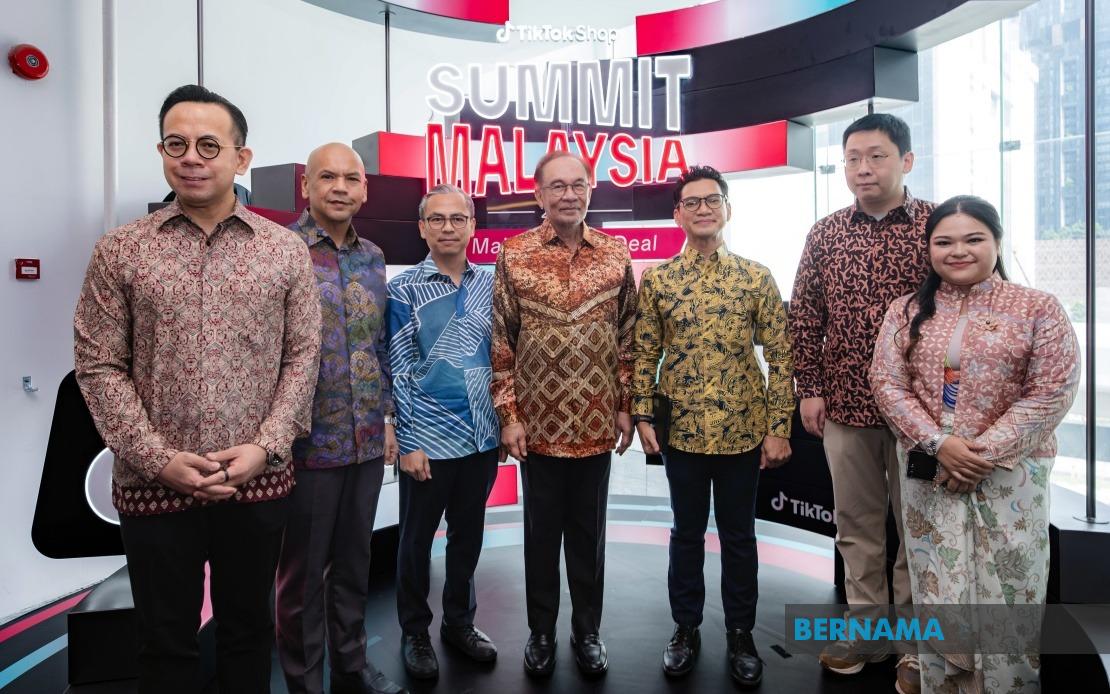
The timing of these amendments comes after extended consultation with the courier sector, where government representatives have repeatedly urged companies to implement stronger vetting procedures and monitoring systems for shipments. According to Minister Fahmi, who made the announcement following his attendance at the TikTok Shop Summit Malaysia, the Communications Ministry and the Malaysian Communications and Multimedia Commission (MCMC) have been conducting comprehensive reviews of existing regulations to identify enforcement shortcomings. The government's collaborative approach with industry stakeholders over the past year suggests that policymakers recognise the need for practical, implementable safeguards rather than heavy-handed restrictions that could stifle legitimate commerce.
The Royal Malaysia Police (PDRM) has specifically requested that the revised legislation include stronger security measures to prevent criminal exploitation of courier networks. This institutional support from law enforcement carries particular weight, as frontline officers have documented numerous cases where parcel delivery services have been weaponised by syndicates seeking to circumvent conventional border controls and surveillance. The amendments will also ensure that courier operators fall more comprehensively under the scope of the Postal Services Act, establishing clearer accountability mechanisms and regulatory oversight that currently exists only in fragmented form across various agencies.
A critical concern driving this legislative agenda is the vulnerability of last-mile delivery networks to drug trafficking operations. The Narcotics Criminal Investigation Department (JSJN), headed by Datuk Hussein Omar Khan, has previously highlighted how criminal networks have systematically exploited weaknesses in courier and peer-hailing services to transport prohibited substances. This problem extends beyond traditional parcel services to encompass the newer phenomenon of p-hailing platforms, which have proliferated rapidly across urban Malaysia but operate under regulatory frameworks designed for an earlier era of logistics operations. The convergence of multiple delivery modalities—traditional couriers, e-commerce logistics, and platform-based services—creates complex enforcement challenges that no single agency can adequately address independently.
The police have signalled their intention to engage in separate discussions with both MCMC and the Transport Ministry to develop coordinated procedures governing all courier services, goods delivery, and p-hailing operations. This multi-agency approach acknowledges that regulatory authority over Malaysia's logistics sector is currently dispersed, with different ministries overseeing different aspects of the supply chain. By establishing consistent baseline standards across all delivery modalities, the government hopes to eliminate the jurisdictional arbitrage that criminal organisations have exploited, where they select the least-regulated service option for their purposes. Such fragmentation is particularly problematic given that legitimate businesses cannot easily navigate between different regulatory regimes, while criminals simply choose whichever route offers minimal friction.
For Malaysian businesses engaged in e-commerce and courier services, the proposed amendments present both challenges and opportunities. Compliance costs will inevitably increase, requiring implementation of enhanced screening procedures, staff training, and potentially new technology systems for tracking and verifying shipment contents. However, the broader regulatory clarity should benefit legitimate operators by reducing ambiguity about their legal obligations and by creating a more level playing field where all competitors operate under consistent rules. The government's collaborative approach with industry during the consultation phase suggests that final regulations will reflect practical operational realities rather than imposing impossible mandates.
The e-commerce sector, which has experienced explosive growth across Southeast Asia and remains a cornerstone of Malaysia's digital economy, faces a critical juncture. Platforms like TikTok Shop, which Prime Minister Datuk Seri Anwar Ibrahim has actively promoted through the recent summit, rely fundamentally on efficient logistics networks. If courier regulations become too restrictive or impose excessive administrative burdens, they could undermine the very ecosystem the government is seeking to develop. Conversely, if regulatory gaps continue to allow criminal misuse of delivery services, public confidence in online shopping could erode. The legislative amendments therefore represent an attempt to navigate between these competing imperatives.
Regionally, Malaysia's approach to courier regulation carries implications for neighbouring countries facing similar challenges. Indonesia, Thailand, and the Philippines have all confronted rising drug trafficking through postal networks, and Malaysia's legislative solutions may offer templates for a coordinated regional response. ASEAN member states increasingly recognise that effective counter-narcotics strategies require alignment on logistics security, since criminal organisations will exploit inconsistencies between national regulatory regimes. By establishing stronger standards now, Malaysia may position itself as a leader in developing regional best practices.
The timing of these amendments also reflects evolving threat assessments within Malaysian law enforcement. The narcotics landscape has shifted significantly over the past decade, with synthetic drugs and precursor chemicals replacing traditional botanical drugs as the primary concern. These substances are typically sold in small, high-value packages that are ideally suited to parcel delivery networks. Unlike bulk shipments of heroin or methamphetamine, which require sophisticated smuggling infrastructure, synthetic drugs can be distributed through ordinary courier systems, making every legitimate delivery company a potential unwitting accomplice. This reality has created pressure for regulatory solutions that balance security with operational viability.
The government's emphasis on security measures within the Postal Services Act amendments suggests that the focus will be on preventive capability rather than purely punitive enforcement. This might include requirements for digital tracking systems, identity verification procedures for senders and recipients, and protocols for reporting suspicious shipments to authorities. Such measures could create friction in the supply chain, but they also provide opportunities for technology companies to develop compliance solutions—potentially creating new business opportunities within Malaysia's growing tech sector.
Implementation of the amended Postal Services Act will require coordination between MCMC, the police, the Transport Ministry, and individual courier companies. The sequential timeline—first Parliament sitting as the target for tabling, with a fallback to the second sitting—suggests that the government has conducted substantial preliminary work and is confident about legislative approval once formal parliamentary procedures begin. However, the transition from law to operational reality will depend on effective guidance through regulations and industry directives, a phase where coordination challenges often emerge. The next year will be critical for establishing whether the government can translate regulatory intent into practical enforcement mechanisms that actually reduce criminal misuse of courier networks while maintaining Malaysia's competitive position in Southeast Asia's booming e-commerce sector.

