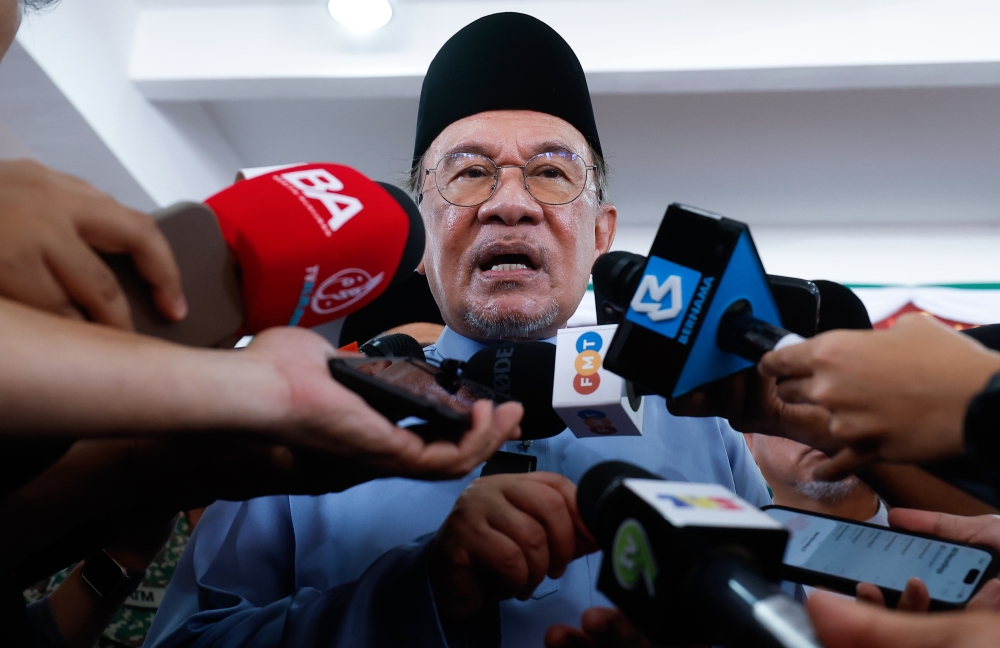
Prime Minister Datuk Seri Anwar Ibrahim has reaffirmed Malaysia's determination to sustain engagement with the United States on tariff-related discussions, signalling that Kuala Lumpur views the current tariff imposed as manageable rather than prohibitively burdensome. Speaking in Port Dickson on July 24, the Prime Minister indicated that despite trade tensions between the two countries, Malaysia remains committed to finding common ground through continued diplomatic channels and negotiation.
The statement comes at a critical juncture in Malaysia-US bilateral relations, where trade policy has emerged as a central point of contention. Anwar's public acknowledgement that the tariff rate falls within acceptable parameters suggests the government has conducted detailed assessments of the economic impact on Malaysian exporters and manufacturers. This measured tone reflects an effort to balance reassurance for local business stakeholders with diplomatic courtesy towards Washington, avoiding inflammatory rhetoric that could further strain the relationship.
Malaysia's approach to the tariff question reveals a pragmatic strategy rooted in the nation's deep integration with American supply chains and investment networks. The country serves as a critical hub for semiconductor manufacturing, electronics assembly, and petrochemical production, with American multinational corporations operating substantial operations throughout the peninsula. Any escalation in trade barriers would reverberate through these sectors, affecting employment and foreign direct investment inflows that Malaysia depends upon for economic growth.
The Prime Minister's characterisation of the tariff rate as relatively modest carries implications for domestic stakeholders anxious about the cost of transatlantic trade friction. Malaysian manufacturers engaged in export-oriented industries have grown increasingly concerned about potential retaliatory measures or sudden policy shifts that could disrupt their operations or market access. By framing the current situation as tolerable, Anwar seeks to prevent panic among business communities while simultaneously demonstrating to the government's international counterparts that Malaysia maintains perspective and flexibility in negotiations.
Continued dialogue with the United States reflects broader considerations about Malaysia's positioning within the evolving global trade architecture. As Washington reassesses its trade relationships across Asia-Pacific, maintaining open channels of communication becomes essential for small to medium-sized economies seeking to preserve preferential access and avoid being marginalised. The government recognises that combative posturing or abrupt policy reversals could invite harsher treatment, whereas constructive engagement preserves opportunities for mutually acceptable resolutions.
The tariff matter also intersects with Malaysia's multilateral trade commitments and regional partnerships. As a member of the ASEAN Economic Community and signatory to various bilateral and plurilateral trade agreements, Malaysia must carefully calibrate its responses to ensure consistency across different negotiating forums. Flexibility demonstrated in talks with the United States sends signals about Malaysia's reliability as a trade partner to other nations and regional organisations, potentially enhancing the country's standing in future negotiations.
From an economic policy perspective, Anwar's comments suggest the government has calculated that the tariff's impact, while not negligible, remains within manageable parameters for most affected industries. This assessment likely incorporates analysis of alternative markets, production cost adjustments, and the possibility of passing some expenses to consumers or supply chain partners. Industries benefiting from US tariff protection against competing imports may also support the status quo, creating a complex domestic political economy where different sectors experience divergent effects.
The government's commitment to ongoing negotiations also reflects awareness that tariff structures remain subject to change based on shifting American political priorities and trade review cycles. Rather than treating the current rate as permanent, Malaysian policymakers appear intent on monitoring developments and positioning themselves to influence future adjustments. This forward-looking stance requires maintaining cordial relationships and demonstrating reliability, qualities that sustained dialogue embodies more effectively than confrontational tactics.
Looking ahead, Malaysia's tariff negotiations with the United States will likely remain a barometer of broader trade relationship health between Kuala Lumpur and Washington. The outcome of these discussions could shape investment decisions by American firms operating in Malaysia, influence the competitiveness of Malaysian exports in crucial markets, and set precedents for how the government handles similar challenges with other trading partners. Anwar's measured optimism suggests confidence that reasonable solutions exist, though the path toward achieving them will require patience and diplomatic skill from both sides.

