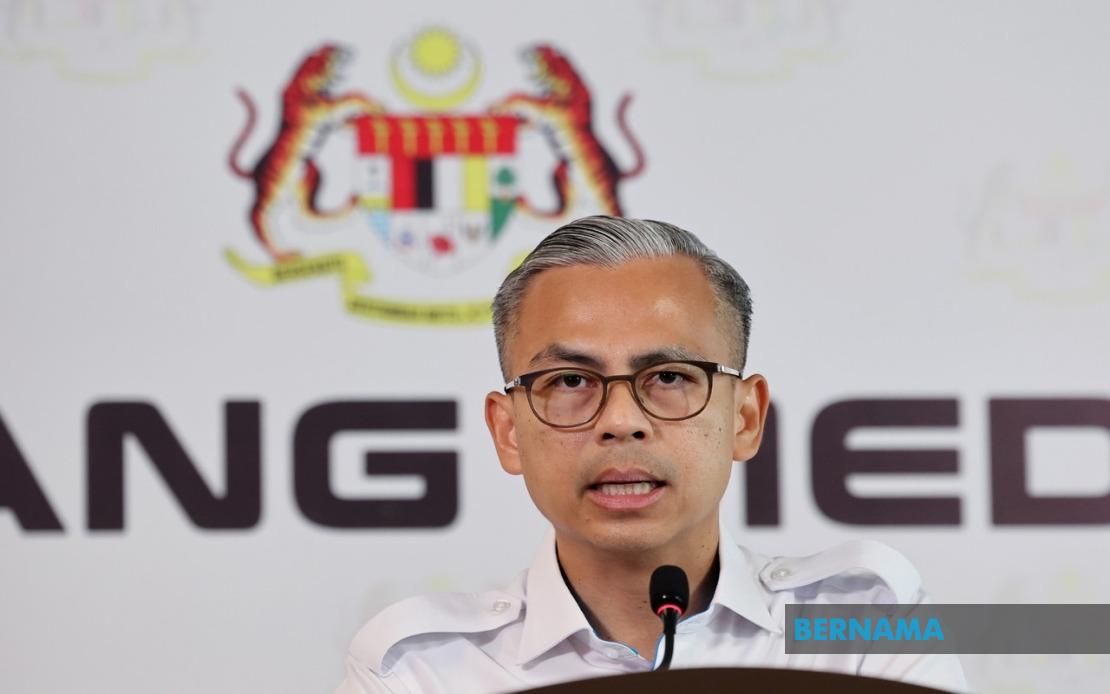
The Malaysian government has committed to implementing registration and regulatory oversight of e-commerce platforms in response to mounting consumer complaints and safety concerns, signalling a significant shift in how online retail operations will be monitored in the country. Communications Minister Datuk Seri Fahmi Fadzil disclosed the Cabinet's decision on the matter, emphasizing that the Finance Ministry and his own ministry will collaborate to establish a comprehensive framework that prioritizes buyer protection while maintaining a business-friendly environment for digital commerce operators.
The initiative emerged from grievances directed to Prime Minister Datuk Seri Anwar Ibrahim by various stakeholders, including consumers, e-commerce business owners, and traditional retailers concerned about competitive imbalances and product safety gaps. The multiplicity of complaints from such divergent interest groups suggests that the current regulatory vacuum has created genuine friction points across Malaysia's retail ecosystem, prompting coordinated government action to establish clearer rules and accountability mechanisms.
Consumer protection forms the cornerstone of the government's approach to this issue. Fahmi reiterated that any regulatory intervention will prioritize safeguarding purchasers rather than constraining platform growth or imposing punitive restrictions. This distinction matters significantly for Malaysia's digital economy, as the government seeks to establish trustworthy market conditions that benefit consumers and legitimate businesses alike while deterring fraudulent operators.
A principal concern driving the regulatory push involves electrical and electronic products marketed through e-commerce channels without adequate verification of safety compliance. These items often fall short of standards established by SIRIM (Standards and Industrial Research Institute of Malaysia), potentially exposing consumers to hazardous merchandise. The government intends to mandate that such products comply with nationally recognized safety benchmarks before sale authorization, closing a loophole that has allowed substandard electronics to reach Malaysian buyers through online marketplaces.
The halal status of products represents another focal point for intervention, reflecting Malaysia's significant Muslim-majority population and the importance of religious product certification in consumer decisions. Currently, some sellers misrepresent or fraudulently claim halal credentials for items that lack proper certification, undermining consumer trust and violating religious principles. The regulatory framework will require e-commerce platforms to verify and monitor halal claims in accordance with Malaysian halal standards, preventing misleading labelling that deceives religiously conscious shoppers.
Fahmi emphasized that the government holds no intention of dismantling or severely restricting e-commerce operations, a reassurance directed toward both platform operators and the digital commerce sector more broadly. Rather than adopting a prohibitionist stance, authorities aim to introduce structured oversight that ensures compliance with existing safety and regulatory requirements. This nuanced approach reflects recognition that e-commerce represents a vital and expanding segment of Malaysia's retail economy, with millions of consumers benefiting from convenient online shopping and sellers gaining access to wider markets.
The regulatory architecture will build upon existing institutional capacity within government agencies. The Finance Ministry and Inland Revenue Board already maintain registration frameworks, while the Malaysian Communications and Multimedia Commission (MCMC) possesses experience from licensing social media platforms. By leveraging these established mechanisms and extending them to e-commerce, the government can implement registration requirements more efficiently while drawing on tested administrative procedures. This institutional layering suggests a pragmatic approach that avoids creating entirely new bureaucratic structures.
Engagement with e-commerce platform operators forms a critical component of implementation strategy. Rather than imposing requirements unilaterally, the Finance Ministry and Communications Ministry intend to conduct discussions and consultations with platform executives, likely to understand operational realities, identify workable compliance pathways, and refine regulatory requirements through collaborative input. The MCMC's prior experience with social media licensing provides a template for such negotiations, suggesting that similar dialogue structures could effectively address e-commerce sector concerns while allowing authorities to articulate expectations clearly.
Complaint data underscores the practical necessity of regulatory intervention. The MCMC has received 1,964 complaints related to e-commerce platforms between January 1 and August 25, 2025, encompassing scams, product authenticity issues, and safety concerns. Of particular significance, 191 complaints specifically involved electrical or electronic products failing to meet safety standards, while four complaints identified halal authenticity fraud. Though these numbers appear modest relative to overall transaction volumes, they indicate systematic patterns of harm affecting consumer confidence and platform reliability.
The regulatory measures arrive at a pivotal moment for Malaysia's e-commerce sector, which has experienced exponential growth in recent years, particularly following pandemic-driven acceleration of online shopping adoption. As platforms proliferate and transaction values increase substantially, gaps in oversight have become increasingly apparent and consequential. A standardized registration and compliance framework can enhance market confidence by creating visible accountability structures and enforcement mechanisms that assure consumers their purchases occur within a regulated environment with recourse mechanisms for disputes.
For Southeast Asian readers observing Malaysia's approach, this regulatory framework may foreshadow similar initiatives across the region. Countries including Indonesia, Thailand, and the Philippines face comparable challenges with unregulated e-commerce growth, product safety verification, and consumer protection. Malaysia's experience implementing a balanced registration system that preserves platform viability while strengthening safeguards could inform regional policy development and create precedents for effective digital economy governance in Southeast Asia.
The implications for Malaysia's digital commerce landscape remain substantial. Platform operators will face compliance costs and administrative requirements, but these burdens should be manageable compared to the reputational benefits of operating within a credible regulatory framework. Legitimate sellers will gain competitive advantages against fraudulent operators, while consumers gain transparent recourse mechanisms and verified product standards. The framework essentially aims to formalize and professionalize an increasingly vital sector of Malaysia's economy.

