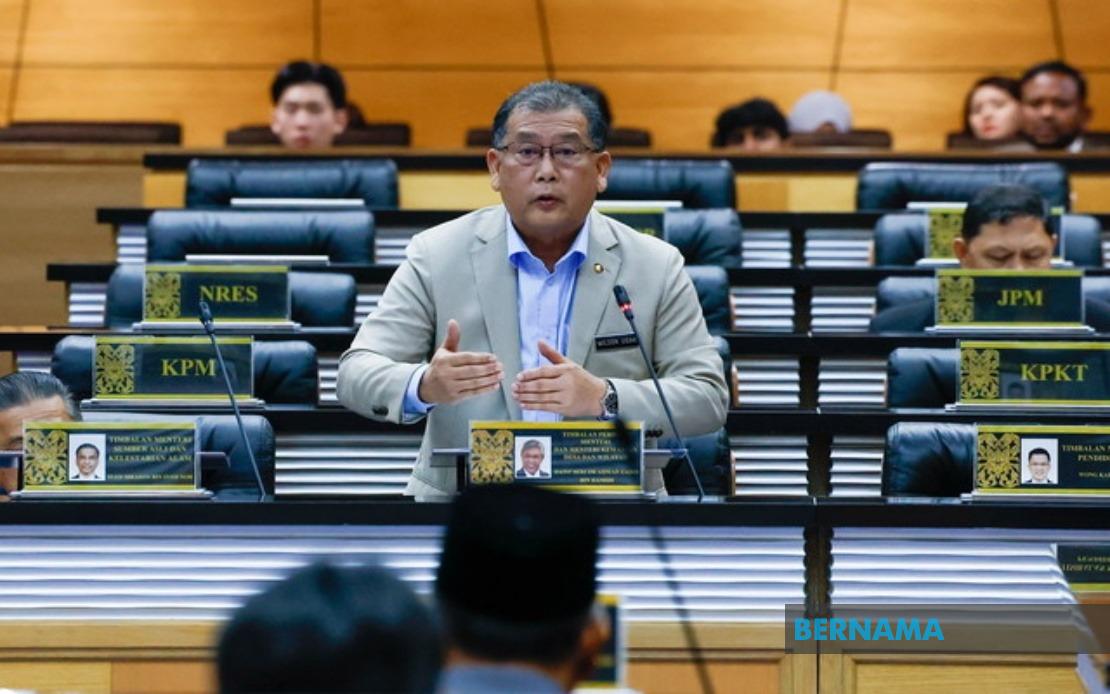
The Malaysian government is rolling out an ambitious network of 15 permanent disaster relief centres (PPKB) that will serve nine states in phases beginning this year, marking a significant shift in how the nation prepares for and responds to natural disasters. Deputy Digital Minister Datuk Wilson Ugak Kumbong, speaking on behalf of the Ministry of Rural and Regional Development, revealed the expansion plan during parliamentary proceedings, underscoring the administration's commitment to building a more resilient disaster management infrastructure that moves beyond ad-hoc emergency responses.
The project is at varying stages of completion across the country. Two facilities—one each in Johor and Pahang—have been fully constructed and are ready for deployment. Nine additional centres are currently under active construction, while a further four remain in the early phases of procurement and detailed planning. This staggered approach allows the government to learn from initial operations and refine the model before full nationwide implementation, though it also means affected communities will experience varying timelines for accessing these new facilities.
The initiative represents a fundamental departure from disaster management practices of the past. For years, Malaysian schools have served as the primary shelter for displaced residents during floods and other emergencies, a reality that fundamentally disrupted the education calendar and created logistical complications. The dual-purpose design of these permanent centres aims to address this chronic problem by providing dedicated facilities that function as community spaces during normal times, thereby maximising the utility of public investment while maintaining educational continuity.
Each permanent relief centre has been designed with comprehensive facilities to support large populations during emergencies. The infrastructure includes an open hall capable of accommodating up to 500 displaced persons, separate dining and cooking facilities to manage meal distribution efficiently, a dedicated medical treatment room for attending to injuries and health concerns, accessible toilets for persons with disabilities, a prayer room (surau) for Muslim users, and specially designed spaces intended to reduce psychological stress among children and vulnerable populations. This thoughtful design reflects lessons learned from previous disaster responses and incorporates principles of inclusive emergency management.
The site selection process prioritises geographic logic, focusing resources on regions with documented histories of severe flooding. However, Wilson Ugak emphasised that the approval pathway involves multiple stakeholder layers. Each proposal must first receive endorsement from the relevant State Disaster Management Committee (JPBN) before advancing to the National Disaster Management Agency (NADMA) for technical evaluation and final approval. This multi-level vetting process ensures that facility placement aligns with both state-specific needs and national standards, though it also introduces bureaucratic timelines that may delay implementation in some areas.
Beyond the long-term permanent centres, the government is pursuing intermediate measures to strengthen immediate disaster response capacity. In April, NADMA allocated RM4.44 million to upgrade facilities at 25 selected temporary relief centres located within Ministry of Education premises. This parallel investment acknowledges that permanent infrastructure development takes years to complete, and communities facing the upcoming monsoon seasons require enhanced facilities now. The short-term upgrades serve as a bridge while the permanent centres are being constructed.
Additional financial support has been extended to maintain disaster preparedness throughout the year. A maintenance and minor repair assistance programme offering up to RM50,000 per location has been established to support temporary relief centres that are activated following the Northeast Monsoon season. This proactive maintenance funding approach prevents facility deterioration and ensures that emergency shelters remain functional when disaster strikes, addressing a common problem where older temporary centres had fallen into disrepair between activation periods.
Deputy Minister Kumbong's response to parliamentary questions from Datuk Idris Ahmad of Perak highlighted an important acknowledgment within government circles: disaster management requires coordinated effort across multiple levels. The minister stressed that NADMA cannot shoulder this responsibility alone, emphasising instead a "whole-of-government and whole-of-society" framework that distributes responsibility among federal authorities, state administrations, private enterprises, and community organisations. This rhetorical pivot suggests recognition that effective disaster management depends on shifting from centralised control to distributed accountability.
For Malaysian states like Perak—specifically mentioned by the questioning parliamentarian—the development pipeline includes PPKB facilities in NADMA's next phase of implementation, though no specific timeline was provided. The phased rollout means that flood-prone communities must continue relying on existing temporary arrangements while awaiting permanent infrastructure. This temporal gap raises practical questions about resource allocation: should communities in states awaiting PPKB facilities receive prioritised funding for temporary centre upgrades, or should investment focus on completing construction in the first wave of nine states?
The permanent disaster relief centre initiative reflects broader regional patterns in Southeast Asian disaster management. Neighbouring countries including Indonesia, Thailand, and the Philippines have similarly grappled with using school facilities as emergency shelters, and Malaysia's dedicated infrastructure approach addresses this shared challenge. As climate change intensifies extreme weather events across Southeast Asia, the regional relevance of Malaysia's model may increase, potentially positioning the country as a reference point for other nations developing comprehensive disaster infrastructure.
Implementation of this comprehensive plan will test Malaysia's capacity to execute large-scale infrastructure projects while maintaining operational functionality. The centres must meet construction standards, achieve proper staffing and training protocols, and integrate effectively with existing disaster management chains. Success requires not only completing the physical structures but embedding these facilities into regular emergency preparedness exercises and ensuring community awareness of their location and purpose.
The fiscal commitment to disaster infrastructure represents a significant policy priority, though the full cost across all 15 centres has not been disclosed. As additional facilities move from planning to construction phases, budgetary requirements will escalate, raising questions about funding sustainability and the potential for scope creep or delays. Parliamentary oversight of these expenditures will likely intensify as implementation progresses and communities begin experiencing the benefits—or limitations—of the first operational centres in Johor and Pahang.

