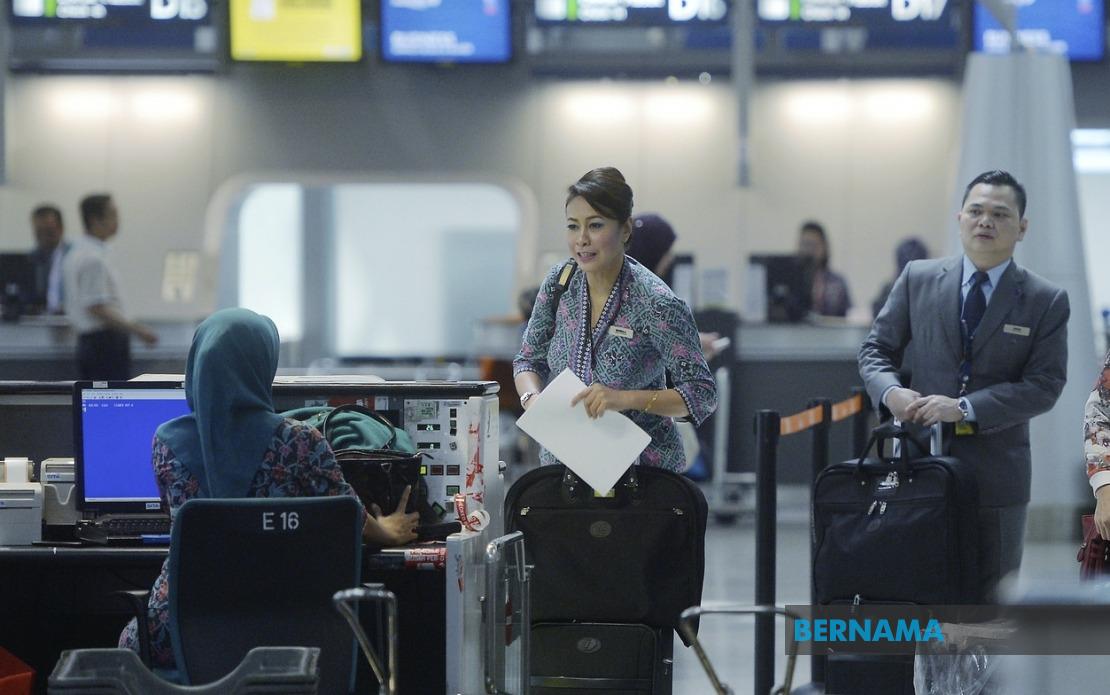
Malaysia's aviation security framework faces a significant overhaul following the arrest of a pilot suspected of attempting to smuggle drugs into Indonesia, prompting authorities to review and enhance screening procedures that clearly failed to detect contraband at the nation's busiest airport. Datuk Seri Mohd Shuhaily Mohd Zain, director-general of the Malaysian Border Control and Protection Agency (AKPS), disclosed that a coordinated meeting chaired by Transport Ministry secretary-general Datuk Seri Jana Santhiran Muniayan brought together representatives from AKPS, the Royal Malaysia Police (PDRM), and Malaysia Aviation Group (MAG) to examine existing security vulnerabilities and strengthen protective measures across all domestic airports.
The incident that triggered this security review occurred when a 39-year-old pilot was apprehended at Soekarno-Hatta International Airport in Jakarta on July 29, allegedly carrying 25 kilogrammes of ecstasy valued at approximately Rp60 billion (roughly RM13.5 million). Indonesia's Director-General of Customs and Excise, Djaka Budi Utama, reported that the suspect had completed an international passenger flight from Kuala Lumpur and was detained shortly after arrival when the contraband was discovered concealed within his luggage. The timing of the discovery—just days after the pilot had cleared security at Kuala Lumpur International Airport (KLIA) on July 28—exposed a concerning gap in Malaysia's aviation security apparatus.
Mohd Shuhaily's acknowledgement that the pilot had successfully passed standard screening procedures at KLIA, despite carrying substantial quantities of illegal drugs, raises questions about the effectiveness of current detection methods. Scanner-based security systems at the airport failed to flag either the contents or the luggage itself as suspicious, allowing the contraband to proceed through what authorities describe as routine screening protocols. This failure is particularly significant given that KLIA is Malaysia's primary international gateway and has invested heavily in modern security infrastructure designed specifically to prevent such incidents.
The involvement of Malaysia Aviation Group in the security review underscores the severity with which the aviation sector is treating the matter. MAG, which operates several of Malaysia's major airlines, faces reputational risks and regulatory consequences if its personnel are discovered circumventing security systems or engaging in criminal activity. The participation of airline leadership signals organisational commitment to addressing potential vulnerabilities within their operational and personnel management structures, though questions remain about whether airlines should bear primary responsibility for individual employee conduct.
Authorities are now implementing more comprehensive screening procedures for all pilots and crew members, signalling a shift toward stricter vetting processes that may extend beyond the traditional security scanners that proved inadequate in this case. The enhanced screening likely encompasses expanded background checks, psychological assessments, and potentially financial investigations targeting individuals in sensitive aviation roles. Such measures represent a significant administrative and financial burden for airlines and airport operators, but the security imperative following this incident appears to have superseded cost considerations.
The incident carries broader implications for Southeast Asian aviation security, particularly regarding the movement of personnel between countries and the varying standards of detection at different airports. Indonesian authorities detected what Malaysian screening missed, highlighting the importance of coordinated regional security approaches and intelligence-sharing mechanisms. This vulnerability could potentially be exploited by criminal networks seeking to move contraband through trusted aviation personnel, making the case for enhanced international cooperation in aviation security protocols.
Mohd Shuhaily indicated that authorities are awaiting feedback from PDRM regarding how the suspect managed to circumvent established security procedures, suggesting that criminal investigation may reveal organisational failures, collusion, or systematic weaknesses that extend beyond equipment limitations. The investigation's findings will likely determine whether the security failure was technical, procedural, or involved deliberate circumvention by security personnel. This distinction is critical, as it determines whether enhanced technological investment or personnel restructuring should take priority in security improvements.
For Malaysian passengers and the international aviation community, this incident underscores that airport security ultimately depends on multiple interconnected systems and personnel, each representing potential failure points. The arrest of a professional pilot—an individual theoretically subject to extensive background vetting and regular security training—demonstrates that criminal activity can originate from trusted positions within the aviation system. This recognition may drive more rigorous approaches to continuous monitoring and periodic reassessment of personnel holding security-sensitive roles.
The financial scale of the contraband operation suggests organised criminal involvement rather than opportunistic drug trafficking, raising concerns about whether other aviation personnel might be targets for recruitment by drug smuggling networks. Organised crime groups operating in the region possess sophisticated knowledge of security systems and sufficient resources to identify and exploit vulnerability points through corrupting insiders. The enhanced screening procedures announced by AKPS may partially address this risk, but long-term security requires mechanisms to detect and deter corruption attempts targeting aviation personnel.
Looking forward, Malaysia's response to this security breach will influence regional standards and expectations for aviation screening protocols. Other Southeast Asian nations may adopt similar enhancement measures, potentially creating a regional baseline for pilot and crew screening that could impede international recruitment and operational flexibility for airlines. However, the security benefits of coordinated regional standards would likely outweigh the operational costs, particularly given the critical importance of aviation to both passenger safety and counternarcotics objectives across the region.

