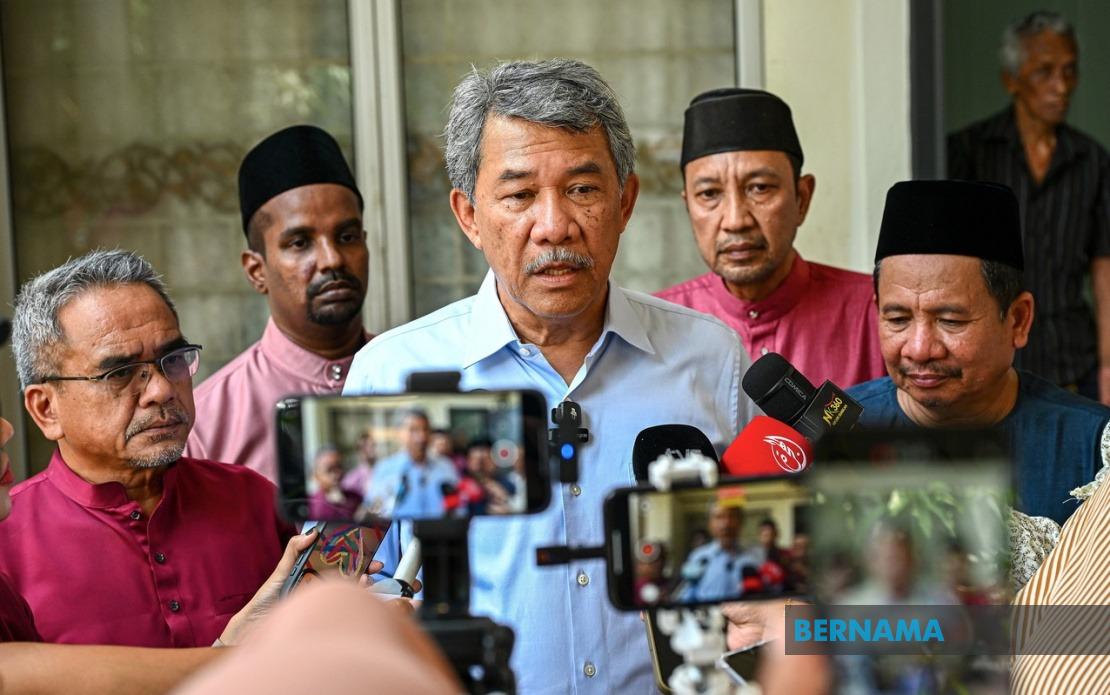
Malaysia has committed to placing refugee welfare at the centre of any repatriation process involving Myanmar nationals currently in the country, with Foreign Minister Datuk Seri Mohamad Hasan emphasizing that security assessments must precede any large-scale returns. Speaking in Seremban following a community service programme, Mohamad Hasan outlined a cautious approach that prioritizes individual verification and threat assessment over rapid bulk repatriations, signalling the government's recognition of the complex humanitarian challenges surrounding the Myanmar crisis.
The minister stressed that effective collaboration between the United Nations High Commissioner for Refugees and Malaysia's Home Ministry remains essential to establishing the legitimacy of refugee claims and determining what conditions returnees would encounter upon arrival in Myanmar. This multi-layered verification process reflects international best practice in refugee management and demonstrates Malaysia's commitment to upholding humanitarian standards despite domestic pressures surrounding irregular migration. The coordination between agencies aims to prevent situations where vulnerable individuals might be returned to environments where they face persecution or violence.
In a departure from earlier reports suggesting Myanmar was prepared to organize the repatriation of 5,000 nationals via maritime transport, Mohamad Hasan indicated Malaysia prefers a measured, phased approach that prioritizes those whose eligibility has been conclusively established. Rather than waiting for large numbers to accumulate, the government intends to process smaller cohorts sequentially, beginning with the 1,000 individuals already identified as suitable for return. This strategy offers practical advantages including better resource allocation, reduced logistical strain, and enhanced oversight capacity at each stage of the process.
The Foreign Ministry has instructed its Secretary-General to establish direct diplomatic channels with Myanmar's government through official embassy representatives to coordinate return arrangements. This institutional approach ensures that repatriation initiatives maintain proper governmental accountability and diplomatic protocol, distinguishing organized returns from informal or coercive arrangements. Establishing these formal mechanisms also provides frameworks for addressing concerns should issues arise during the repatriation process, offering both governments structured mechanisms for problem-solving.
Mohamad Hasan's statements reflect broader ASEAN positioning on the Myanmar situation, indicating that Southeast Asian nations view the refugee question as a collective concern requiring coordinated regional responses rather than isolated national actions. The minister reaffirmed that ASEAN mechanisms, particularly the organization's Five-Point Consensus adopted in April 2021, must remain central to addressing the humanitarian dimensions of Myanmar's ongoing political instability. This regional framework attempts to balance ASEAN's traditional non-interference principles with pragmatic acknowledgment that the Myanmar crisis generates cross-border humanitarian consequences affecting multiple member states.
The Five-Point Consensus, which emphasizes dialogue, humanitarian assistance, cessation of violence, and ASEAN mediation, provides the diplomatic foundation for how member states approach refugee issues stemming from Myanmar. By anchoring repatriation discussions within this established framework, Malaysia positions its approach as consistent with broader regional diplomatic efforts rather than pursuing unilateral solutions. This framing also signals that Malaysia will not undertake repatriations in ways that might undermine ASEAN's broader political engagement with Myanmar's military leadership.
For Malaysia, which hosts substantial populations of Myanmar nationals and refugees, balancing humanitarian obligations with domestic immigration concerns represents an ongoing policy challenge. The country's approach to verification and staged returns attempts to address public concerns about irregular migration while maintaining commitments to international refugee protection standards. Gradual processing allows the government to manage integration pressures and security screening more effectively than rapid bulk movements.
The emphasis on verification procedures also acknowledges that not all Myanmar nationals in Malaysia may qualify for refugee status or protection. Some individuals may be irregular migrants rather than people fleeing persecution, a distinction with significant policy implications for their treatment and rights. Rigorous status assessment ensures that repatriation processes address genuine refugees while managing irregular migration through appropriate channels.
The security assessment component of Malaysia's approach recognizes that Myanmar's internal situation remains unstable following the military coup in February 2021. Different regions within Myanmar face varying levels of conflict, governance challenges, and humanitarian access, meaning that returnees' safety prospects depend substantially on their intended destinations within the country. Individualized threat assessments allow Malaysia to make nuanced decisions about whether specific individuals can safely return to their home areas or whether alternative arrangements might be necessary.
Regional observers note that Malaysia's cautious approach aligns with international pressure on governments to avoid refoulement, the forcible return of persons to places where they face persecution or serious harm. The UNHCR's involvement in verification and assessment processes provides technical expertise and international oversight that enhances the credibility of Malaysia's repatriation decisions. This collaboration signals Malaysia's intention to conduct repatriations in accordance with international humanitarian law and refugee protection standards.
The government's willingness to proceed with returns of identified individuals rather than awaiting accumulation of larger numbers also reflects pragmatic understanding that prolonged displacement creates humanitarian challenges including inadequate shelter, employment barriers, and social integration difficulties. Timely repatriation of those eligible and willing to return can reduce these pressures while maintaining protection for those who cannot safely return. This balanced approach attempts to serve both the needs of verified refugees and broader Myanmar national populations in Malaysia.

