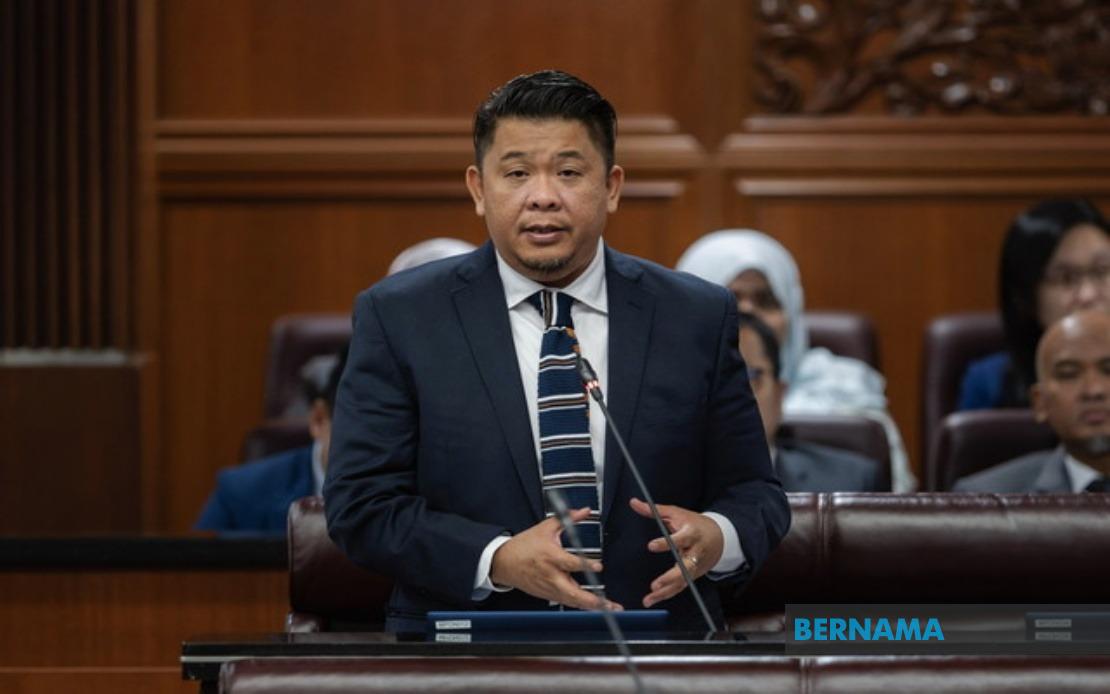
The Malaysian government is maintaining close oversight of more than 21,000 of its nationals scattered across 14 countries experiencing active conflict, with contingency measures in place to rapidly extract them if geopolitical tensions escalate. Deputy Foreign Minister Datuk Lukanisman Awang Sauni disclosed the scale of the monitoring operation while addressing parliamentary concerns about government preparedness for potential mass evacuations, particularly involving students and umrah pilgrims in the volatile Middle East region.
The Foreign Ministry's crisis management framework draws on operational lessons from previous international conflicts, allowing officials to refine response protocols and strengthen inter-agency coordination. Rather than treating evacuation as a reactive measure triggered only when danger becomes imminent, Wisma Putra has institutionalised continuous surveillance of Malaysian communities abroad, with regular updates to personnel registries and location data that enable rapid deployment of resources. This proactive stance reflects recognition that modern geopolitical crises can escalate with little warning, necessitating pre-positioned intelligence and advance planning rather than improvised responses.
The evacuation infrastructure represents a multi-layered approach involving unprecedented cooperation across government and private sectors. The Royal Malaysian Air Force stands ready to deploy charter operations, while commercial airlines have committed to providing additional flights if needed. Notably, Petronas has developed its own parallel evacuation framework for corporate employees, ensuring that energy sector personnel—among Malaysia's most exposed international workforce—are not dependent solely on government logistics. This distributed readiness model increases overall resilience by preventing bottlenecks that might arise if a single evacuation corridor became overwhelmed.
All Malaysian diplomatic missions operating in risk zones maintain continuously updated contingency plans that address multiple operational dimensions beyond simple transportation. These protocols encompass real-time mapping of citizen locations, establishing reliable communication channels that function even when conventional infrastructure fails, pre-arranging transport routes and safe havens, and coordinating with local authorities and non-governmental organisations that may provide ground support. The emphasis on operational detail reflects hard-won experience that successful evacuations depend on meticulous coordination rather than improvisation during actual crises.
Registration mechanisms have been expanded to capture Malaysians currently abroad and those planning international travel. The e-Consular system and MyWorldAlert application enable citizens to alert the government of their whereabouts and receive time-sensitive security briefings, transforming the traditional consular relationship into an active early-warning network. This two-way information flow allows diplomatic missions to distinguish between Malaysians in immediate danger and those in safer adjacent areas, permitting proportionate resource allocation during actual evacuations.
The Middle East remains the primary focus given the concentration of Malaysian workers, students, and religious pilgrims in the region. Since the outbreak of West Asian conflict earlier this year, Wisma Putra issued three separate travel advisories as circumstances evolved, providing guidance aligned with security developments rather than maintaining static warnings. The gradual reopening of regional airspace following the ceasefire announcement on April 8 has partially reduced acute evacuation pressures, though underlying geopolitical instability persists and could deteriorate without warning.
Senator Musoddak Ahmad's parliamentary inquiry specifically addressed the vulnerability of umrah pilgrims—a particularly sensitive constituency given the religious significance of Hajj and umrah journeys in Malaysian society. The coordination framework explicitly includes umrah operators among key stakeholders, recognising that independent tour operators control substantial numbers of travellers whose safety depends on reliable communication and transport options during crises. By incorporating private umrah companies into the official contingency architecture, the government gains visibility into pilgrim movements and can quickly activate charter flights if disruptions occur.
The evacuation plan operates on a tiered activation model keyed to objective security indicators rather than waiting for catastrophic events. Risk assessment protocols evaluate the specific threat environment, the number of Malaysians directly affected, and resource availability to determine appropriate response levels. This graduated approach permits measured responses to emerging situations before they spiral into full-scale evacuations, potentially reducing disruption and costs while maintaining security.
For Malaysian expatriates considering overseas assignments or contemplating travel to conflict-adjacent regions, the availability of these systems provides substantial reassurance but should not eliminate prudent personal risk assessment. Citizens are explicitly encouraged to maintain current registration information with their nearest mission, as evacuation operations during actual crises depend fundamentally on accurate location data that can only be gathered through continuous voluntary updates. The expansion of digital registration channels reflects government recognition that traditional paper-based systems cannot support rapid response operations.
Regional implications extend beyond protecting individual Malaysians. The sophistication of Malaysia's evacuation planning has become a model for Southeast Asian governments developing their own crisis response capabilities, particularly given the number of regional citizens working throughout the Middle East and South Asia. Malaysia's coordination with international airlines and foreign governments during actual evacuations demonstrates how smaller nations can leverage diplomatic relationships and commercial partnerships to protect nationals effectively.
The sustained nature of these monitoring operations also reflects broader shifts in how governments conceptualise their obligations to citizens abroad. Rather than treating overseas populations as peripheral concerns addressed only during emergencies, modern diplomatic practice increasingly treats continuous welfare tracking as a core consular function. This represents a philosophical evolution from reactive crisis management toward systematic risk prevention and active duty-of-care implementation.
While the ceasefire announcement has reduced immediate evacuation pressures, Wisma Putra maintains full operational readiness and continues gathering real-time intelligence on the 21,427 Malaysians distributed across the 14 identified conflict zones. The government's position underscores that geopolitical stability remains provisional and that comprehensive evacuation capabilities must be maintained indefinitely rather than deactivated once initial crises subside.

