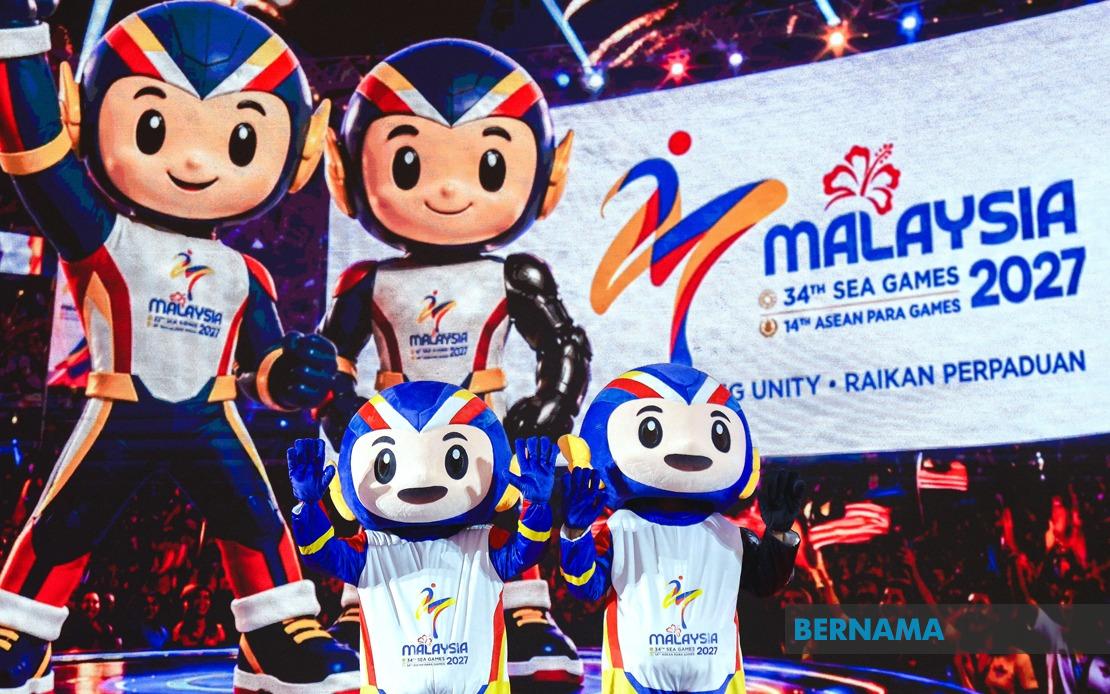
Malaysia has officially launched the branding for the 2027 SEA Games and ASEAN Para Games, selecting 'Celebrating Unity' as the organising theme for the dual sporting spectacles that will span Malaysia's diverse geography. The announcement, made by Youth and Sports Minister Dr Mohammed Taufiq Johari in Putrajaya on July 13, marks a significant milestone in the country's preparations to host the region's premier multi-sport event after more than four decades. The thematic choice carries deeper symbolism than mere sloganeering, intended to reinforce the common bonds that connect Southeast Asian nations through athletics while simultaneously signalling Malaysia's commitment to inclusive and cohesive sport development.
The selection of this unifying message reflects contemporary thinking about regional cooperation in sports governance. Rather than focusing narrowly on competition and national medal counts, the theme positions the games as an opportunity to strengthen interpersonal and institutional connections across ASEAN member states. For Malaysian audiences and athletes, the message carries particular resonance given the country's own experience as a multicultural federation where sporting achievement has frequently served as a vehicle for national cohesion and shared purpose across different communities and states.
The mascot unveiling introduced Tuah, a departure from the zoological characters that have traditionally represented previous SEA Games editions. This humanoid figure embodies a contemporary vision of heroism and aspiration, drawing its identity from qualities of dynamism, self-assurance, and accessibility rather than the symbolic attributes associated with animals. The decision to employ a human-centred mascot reflects evolving approaches to sports branding that emphasise relatable role models for younger audiences and aspiring athletes across the region. Tuah's characterisation as a modern hero suggests an aspirational dimension that transcends cultural boundaries, positioning the figure as an ambassador for achievement and personal excellence.
Designers incorporated Malaysia's national flag colours throughout Tuah's visual identity, creating visual continuity between the mascot and broader national symbolism. This chromatic choice serves multiple communicative functions simultaneously—establishing Malaysia's proprietary claim as host nation whilst using the Jalur Gemilang's colours to reinforce messages of unity and shared national pride that extend beyond Malaysia's borders to encompass the entire ASEAN community. The integration of these colours into the mascot's appearance transforms what might otherwise be a generic character into a distinctly Malaysian representation that nonetheless maintains accessibility and appeal for international audiences.
Minister Dr Mohammed Taufiq articulated confidence that the mascot would function as a fortuitous symbol supporting Malaysia's competitive ambitions during the games. The minister's invocation of luck and fortune, whilst seemingly informal, taps into cultural understandings of mascots as vessels for collective hopes and psychological anchors for athlete performance. Beyond superstition, however, well-designed mascots contribute meaningfully to event branding, merchandise revenue generation, and public engagement—considerations that assume importance for organisers managing the substantial logistical and financial demands of hosting simultaneous international sporting competitions.
Malaysia's hosting responsibilities encompass unprecedented geographic distribution, with sporting facilities spread across four distinct clusters spanning Sarawak, Penang, Johor, and Kuala Lumpur. This dispersed configuration presents both opportunities and challenges for event management. The minister reported that infrastructure development has proceeded without significant impediments thus far, with current efforts concentrated on technical coordination and timeline adherence. This phased approach to preparations—moving from venue construction into operational refinement—indicates a methodical progression toward readiness, though the complexity of managing competitions across multiple states and the logistical coordination required warrant continued monitoring as event dates approach.
The National Sports Council has established an ambitious performance target for Malaysian athletes, seeking to position 70 percent of competing sports representatives on medal podiums across Asian-level competitions by year's end. This metric reflects the council's interpretation of probable medal-winning capacity at the 2027 games themselves, providing an intermediary benchmark against which selection and training decisions can be evaluated. The aspiration toward overall championship status—victory in the aggregate medal count—represents Malaysia's genuine competitive intent, moving beyond merely hosting duties to pursuing substantive athletic success. Such ambitions depend fundamentally on training infrastructure investment, athlete identification and development programmes, and financial resource allocation, suggesting that performance targets carry budgetary and policy implications extending well beyond the sporting calendar.
The 2027 SEA Games will span September 18 through 29, followed immediately by the ASEAN Para Games running from October 17 through 23. This sequential scheduling creates operational continuities allowing potential venue and personnel redeployment between events whilst maintaining distinct competitive structures and administrative frameworks for each competition. The compressed calendar between the two events demands meticulous planning to ensure adequate venue preparation, volunteer redeployment, and technical infrastructure recalibration. For athletes and support personnel, the back-to-back nature of these competitions throughout autumn presents both advantages—sustained momentum and media attention—and challenges related to athlete fatigue and facility wear.
The significance of these games extends beyond athletic competition into regional diplomacy and economic dimensions. Southeast Asian sporting cooperation through the SEA Games framework historically has facilitated dialogue between member states, provided platforms for emerging athletes, and generated tourism and hospitality sector activity in host nations. Malaysia's preparation timeline, spanning several years, represents substantial public and private investment in sporting infrastructure and human resources. The visible branding and thematic messaging surrounding the 2027 editions begins the process of domesticating these international events within Malaysian consciousness, establishing psychological ownership and emotional connection among potential spectators and supporting communities.
For Malaysian sports administration, these games represent both opportunity and pressure. Success in hosting—smooth operations, positive international reception, and strong national athletic performance—can elevate Malaysia's regional sporting profile and validate public investment in facilities and athlete development. Conversely, operational difficulties or disappointing medal performances would attract critical scrutiny. The minister's confidence in preparations suggests current assessments indicate manageable progress, though uncertainties around final-stage construction, logistical coordination across four geographically dispersed clusters, and competitive outcomes remain inherent to any major sporting event of this scale.

