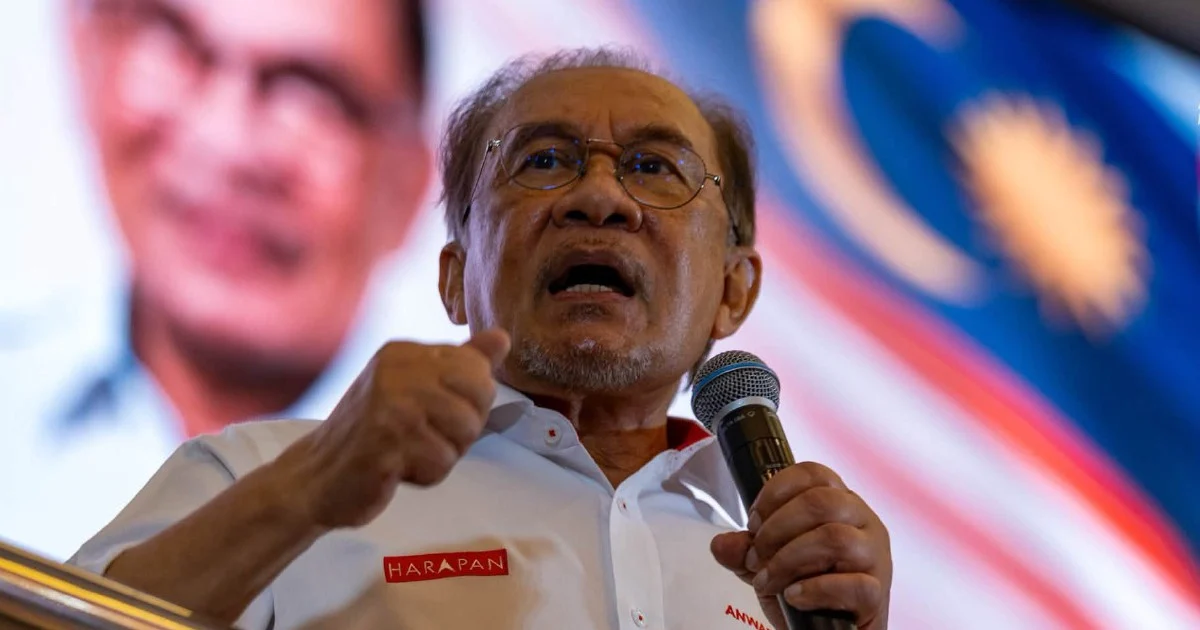
Prime Minister Datuk Seri Anwar Ibrahim has made clear that Malaysia will not pursue diplomatic arrangements with Singapore to facilitate voting for cross-border workers during the upcoming Johor state election on July 11. The position reflects the practical constraints and political sensitivities involved in accommodating overseas voting, particularly in a neighbouring country where thousands of Malaysians are employed.
The announcement comes as preparations intensify for what is expected to be a closely watched state-level contest. Johor remains economically and politically significant to Malaysia's federation, given its size, population, and historical role as a major political battleground. The timing of the election and the cross-border workforce dynamics underscore the complexities of extending electoral participation across borders, a challenge familiar to many countries with substantial diaspora or migrant worker populations.
Malaysians working in Singapore constitute a considerable portion of the island-nation's workforce, particularly in healthcare, domestic services, and other essential sectors. This population faces genuine difficulties in participating in home-country elections, as they must typically return to Malaysia to vote during polling periods. The impracticality of such arrangements for working individuals, especially those in lower-wage employment, has historically raised questions about whether alternative voting mechanisms might improve political participation rates.
The decision reflects both logistical considerations and the diplomatic protocols governing cross-border electoral administration. Requesting another nation to facilitate voting would represent an unusual extension of sovereignty and administrative reach, and would require formal bilateral agreements and infrastructure arrangements. Such proposals also raise questions about security, verification procedures, and the institutional frameworks needed to conduct credible voting processes in foreign territory.
From a practical standpoint, establishing polling facilities abroad requires not just physical space and resources but also trained election officials, voter verification systems, and security protocols to prevent irregularities. These requirements grow more complex when conducted in another country's jurisdiction, even one as closely integrated as Singapore is with Malaysia through decades of economic and social linkages. The administrative burden would be substantial, and the potential for procedural disputes would likely exceed any benefits gained.
The announcement also reflects broader patterns in Southeast Asian electoral practices. Most regional countries manage overseas voting through limited arrangements—typically mail-in ballots or designated centres in major cities—rather than seeking host-nation cooperation. Malaysia's approach appears consistent with these regional norms, prioritising straightforward electoral administration within national territory rather than attempting transnational arrangements.
For the Johor election specifically, the ruling removes uncertainty about whether cross-border workers might enjoy special voting provisions. This means Malaysian citizens living or working in Singapore will need to make individual arrangements to return home during the voting period, as has been the standard practice. The timeline of the election itself becomes consequential for such voters, as they must balance work commitments against the opportunity to participate.
The decision also carries implications for political parties contesting the Johor seat, as they will need to account for lower effective voter participation from the significant cross-border workforce. Campaign strategies must therefore focus predominantly on accessible voters within Johor's borders, though campaigns themselves increasingly utilise digital platforms that can reach diaspora audiences remotely, even if voting participation remains geographically limited.
This situation highlights a persistent tension in modern electoral democracy: how to balance inclusive participation against practical administration. Countries worldwide struggle with similar questions regarding military personnel overseas, students abroad, and migrant workers. Malaysia's experience mirrors global patterns, where the default remains voting within national territory, supported by limited exceptions rather than comprehensive international arrangements.
The stance also preserves Malaysia's electoral sovereignty and maintains established procedures that have governed elections for decades. Introducing new cross-border mechanisms solely for one state election could create precedents complicating future national or other state elections, making it administratively sensible to maintain consistent approaches across different electoral levels.
Looking forward, the Johor election will likely proceed under traditional voting conditions, with cross-border workers managing their participation through personal leave arrangements. This reflects the practical reality that most working populations cannot easily absent themselves from employment for extended periods, creating an inherent bias toward voters with greater flexibility. Whether future elections might eventually incorporate more inclusive overseas voting mechanisms remains an open question for Malaysian policymakers, but the current election will not test such innovations.
The Prime Minister's position suggests Malaysia's electoral commission and government are maintaining focus on securing domestic voting procedures rather than pursuing novel arrangements. This approach prioritises administrative clarity and compliance with existing frameworks, even if it means accepting lower participation from a mobile workforce segment. The decision ultimately reflects how pragmatism often shapes electoral policy in practice, balancing democratic ideals against institutional capacity and diplomatic considerations.

