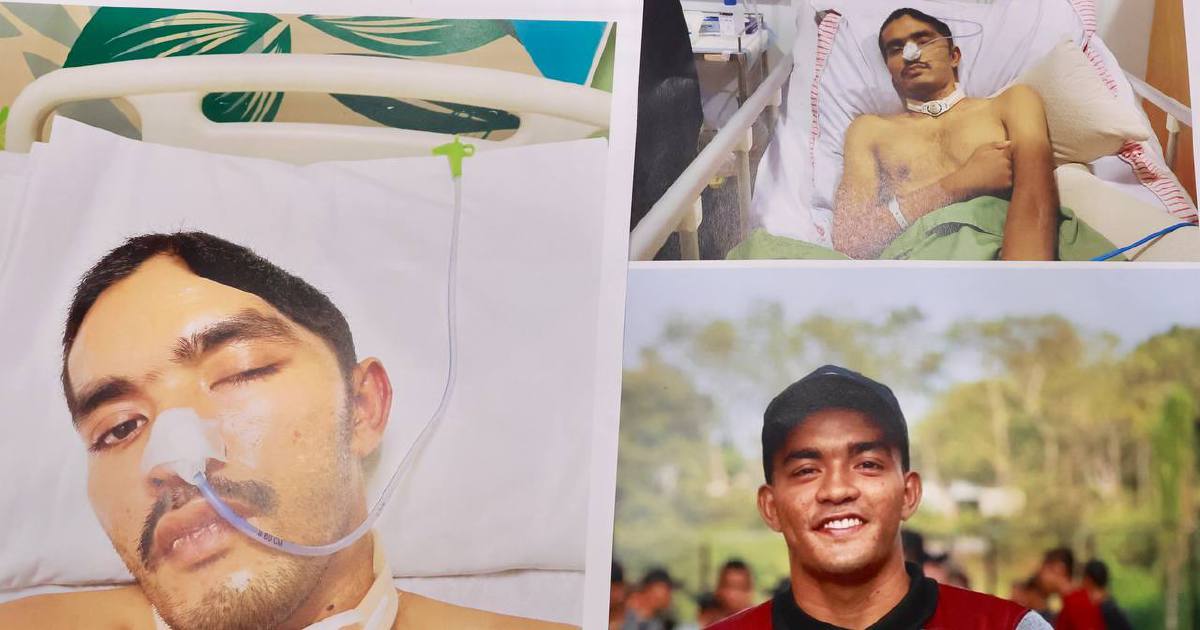
Malaysia's armed forces have wrapped up their internal examination of a serious incident involving a commando who suffered critical injuries at a military training facility in Johor during March, with administrative dismissals now progressing through formal channels.
The completion of the investigation marks a significant development in a case that raised questions about safety protocols and command oversight at the defence establishment. Military authorities have been scrutinising the circumstances surrounding how the injury occurred and whether proper operational procedures were followed at the time of the incident.
Disciplinary action represents the institutional response to findings emerging from the probe. The dismissals signal that investigating officers determined breaches of military conduct or standards had contributed to or enabled the circumstances leading to the commando's injury. Such personnel actions typically follow formal recommendations contained in official investigation reports within the armed forces' administrative framework.
The Johor camp incident underscores ongoing attention to occupational safety within Malaysia's military training environment. Commandos undergo rigorous conditioning regimens designed to prepare them for high-risk operational deployments, yet such training must balance physical demands against duty-of-care obligations. The injury sustained in March was serious enough to warrant escalated inquiry procedures rather than routine incident documentation.
Military camps across Malaysia host thousands of personnel engaged in various specialised roles. Johor, as a location hosting defence installations, manages significant training activities involving elite units. When incidents resulting in substantial injury occur at such facilities, they trigger comprehensive reviews that examine command structures, supervision levels, equipment condition, and training supervision standards.
The investigation's conclusion does not necessarily mean all facts have entered public discourse. Military inquiry processes often remain partially confidential, particularly regarding personnel matters and specific operational details. What becomes publicly acknowledged typically reflects the institutional determination that standards were not met, without always disclosing granular operational specifics.
For Malaysian defence stakeholders, the case carries implications for how the armed forces approach accountability and transparency. Dismissals demonstrate consequences exist for personnel failings, yet broader questions about systemic safety improvements remain relevant. Whether the incident prompted revised training protocols, enhanced medical response capabilities, or modified supervision requirements across facilities remains to be assessed.
The commando's recovery status and any ongoing medical support extended to the injured personnel represent parallel institutional considerations. Military establishments maintain medical facilities and can facilitate long-term rehabilitation, though serious injuries may result in permanent operational limitations affecting career trajectories for affected personnel.
From a regional perspective, military safety and training standards reflect broader defence sector professionalism. Neighbouring countries and defence partners monitor how armed forces address internal accountability, as such institutional practices influence perceptions of operational readiness and professional standards. Malaysia's handling of this incident contributes to such assessments within defence community networks.
The dismissal process itself must navigate formal military administrative procedures. Affected personnel retain certain procedural rights within the armed forces' internal justice system, potentially including representation and opportunity to respond to findings before final administrative action becomes effective. These mechanisms ensure fairness while maintaining institutional discipline.
Moving forward, the armed forces face the ongoing challenge of maintaining rigorous training standards while ensuring personnel safety remains paramount. The Johor incident illustrates that this balance requires constant attention from commanders at all levels, adequate resource allocation for safety infrastructure, and genuine commitment to learning from adverse events when they occur.
The investigation's completion allows the institution to transition from factual inquiry to institutional remediation. Whether the lessons derived from this specific incident become embedded across other facilities, and how broadly the armed forces communicates relevant safety improvements to personnel, will indicate the depth of institutional learning achieved through this examination process.

