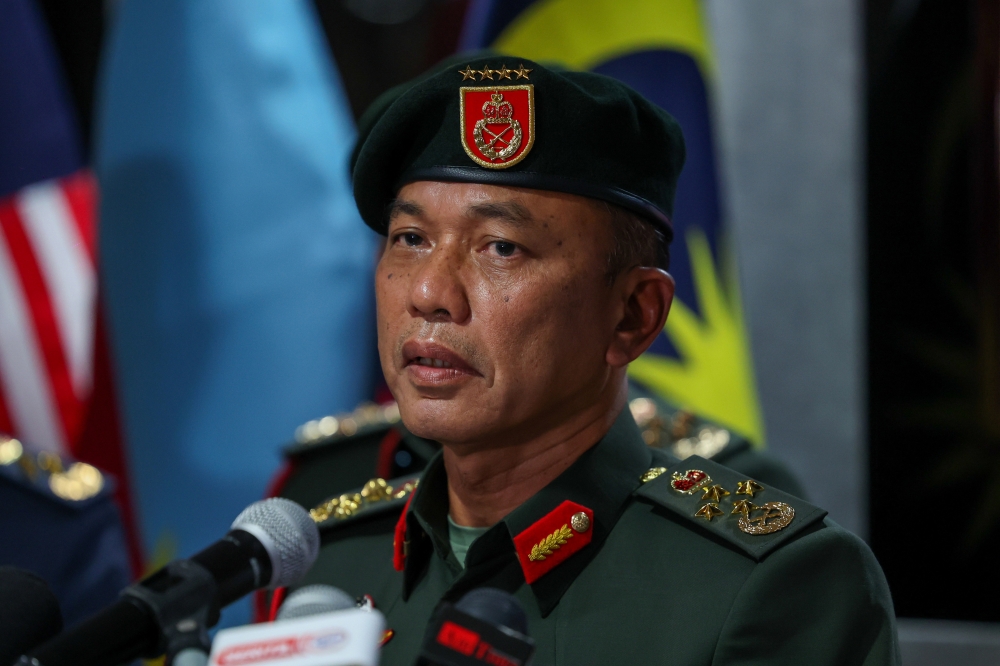
The Malaysian Army has formally rejected rape allegations levelled against one of its personnel, maintaining that findings from an internal probe directly contradict the accusations that have gained traction on social media platforms. The statement, issued through official channels, represents a defensive posture as the military institution faces intensifying public scrutiny over its handling of serious misconduct allegations and its transparency protocols.
Institutional investigations into allegations of sexual violence within the military have long been contentious in Malaysia, with civil society groups and women's rights advocates frequently questioning both the independence and rigour of such internal processes. The Malaysian armed forces, like military organisations across Southeast Asia, have historically conducted misconduct investigations through closed systems that limit external oversight and public disclosure, raising persistent concerns about accountability and the protection of potential victims.
The timing of the Army's public rebuttal underscores growing tension between institutional confidentiality practices and mounting pressure for transparency. As allegations circulate through digital platforms where they can reach millions within hours, traditional military communication strategies—which typically prioritise discretion and restrict information release—appear increasingly misaligned with contemporary public expectations for openness. This friction reflects broader challenges facing authoritarian and hierarchical institutions in the social media age.
For Malaysian readers, the dispute highlights unresolved systemic questions about how allegations of sexual misconduct within the defence establishment are investigated, adjudicated, and communicated to the public. The absence of specialised, independent units dedicated to investigating sexual violence within the military—a feature found in more progressive defence systems globally—means that investigations often remain embedded within command structures where conflicts of interest may exist. Personnel conducting probes may have existing relationships with the accused or institutional incentives to minimise reputational damage.
The viral nature of the allegations suggests that public confidence in the Army's internal mechanisms may already be eroded. When allegations gain significant traction online before official institutions issue statements, it typically indicates that affected parties, supporters, or witnesses believe existing channels have failed them or lack credibility. This pattern has been observable in Malaysia across multiple institutions where sexual misconduct allegations have emerged, from universities to corporate bodies, suggesting a broader institutional legitimacy problem rather than an isolated incident.
Regional comparison provides useful context. Several Southeast Asian nations have begun establishing military ombudsman offices or independent complaints mechanisms to address accusations of misconduct while maintaining some degree of institutional autonomy. These hybrid models attempt to balance military hierarchy with external accountability. Malaysia's current framework, which appears to rely primarily on internal Army investigations, lacks such intermediary structures, leaving civilians questioning whether findings can be accepted at face value.
The implications for service members themselves warrant consideration. Those who experience or witness sexual violence within the military face particular obstacles in reporting, including concerns about retaliation, career consequences, and doubt about whether internal mechanisms will pursue justice effectively. Without transparent, independent investigation processes, potential complainants have little assurance that coming forward will result in meaningful action. This dynamic may itself suppress reporting and create environments where misconduct persists.
For civilian observers, the Army's public response raises a secondary question: how can citizens meaningfully evaluate the credibility of internal findings when they lack access to investigative materials, witness statements, or reasoning behind conclusions? The institution essentially asks the public to trust its process while providing minimal evidence that the process warrants such trust. This asymmetry of information creates fertile ground for continued public scepticism regardless of the actual facts of the case.
Moving forward, the dispute may catalyse broader discussions within Malaysian civil society and policymaking circles about military accountability frameworks. Women's groups, human rights organisations, and reform-minded politicians may use this incident to advocate for legislative changes—such as mandatory external review boards for sexual misconduct allegations, specialised investigation units staffed with trained personnel, or transparent publication of investigation summaries. Such reforms have gained traction in several democracies and could potentially be adapted to Malaysia's context.
The Army's challenge to the allegations, while asserting institutional authority, does not resolve the underlying credibility problem. Public trust in military institutions depends not merely on the accuracy of individual investigations but on systematic confidence that misconduct will be detected, fairly assessed, and appropriately sanctioned. Until Malaysia's defence establishment demonstrates willingness to embed accountability mechanisms that function independently of command hierarchies and that operate with meaningful transparency, similar controversies will likely continue to generate public scepticism and calls for reform.

