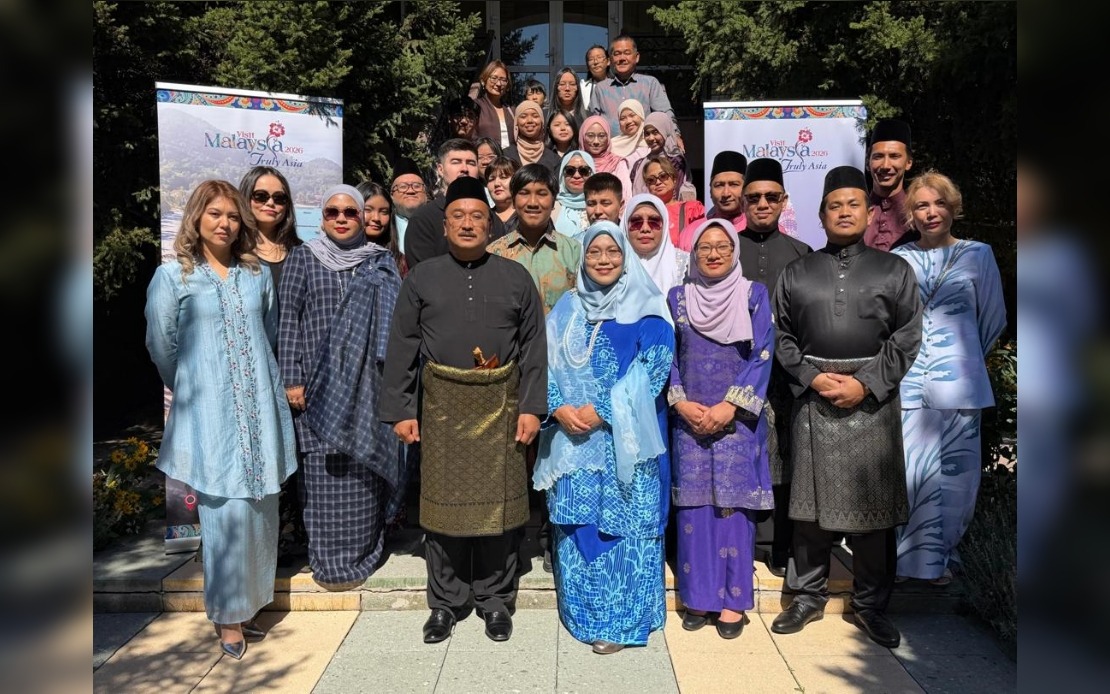
The Malaysian community scattered across Kazakhstan demonstrated their national pride at a National Day ceremony held at Malaysia House in Astana on Saturday, reflecting the enduring connection diaspora members maintain with their homeland despite geographical distances. Organised by the Embassy of Malaysia in Astana, the gathering brought together embassy personnel, Malaysian students, technical cooperation alumni, and local friends of Malaysia for a series of formal observances including the Jalur Gemilang flag-raising, national anthem performance, and recitation of the Rukun Negara.
Malaysian Ambassador to Kazakhstan Mohd Adli Abdullah used the occasion to articulate a broader vision for national development, positioning the 2026 National Day theme "Malaysia MADANI: Prosperity Enjoyed" as a philosophical statement about how societal progress should be evaluated. His remarks departed from conventional metrics focused on economic expansion and infrastructure development, instead emphasising the distribution of benefits across all population segments. This reframing holds particular significance for the international audience, as it signals Malaysia's commitment to equitable development models increasingly relevant in a globalised context where middle-income countries grapple with ensuring prosperity reaches beyond urban centres and privileged groups.
The Ambassador articulated a specific call to action for Malaysian expatriates, framing them not merely as citizens abroad but as active representatives of national values and interests. By invoking the concept of personal ambassadorship, Adli encouraged members of the diaspora to embody Malaysia MADANI principles through professional conduct and integrity in their daily lives. This message resonates particularly with the younger Malaysian professionals and students in Kazakhstan who represent the country's soft power abroad and influence perceptions of Malaysia within Central Asian networks and institutions.
The event's dual nature—serving simultaneously as a patriotic observance and a platform for the Malaysia Technical Cooperation Programme Alumni Get-Together—underscores how Malaysia leverages diplomatic occasions to strengthen bilateral relationships. The MTCP, established in 1980 as Malaysia's formal contribution to South-South cooperation mechanisms, exemplifies Malaysia's positioning as a mentor nation willing to share development expertise with peers in the Global South. By highlighting the programme within National Day celebrations, the embassy emphasised human capital development as central to Malaysia's international engagement strategy.
Kazakhstan's participation in the MTCP reveals the practical depth of Malaysia-Kazakhstan bilateral relations beyond conventional diplomatic exchanges. With 196 Kazakh officials having completed capacity-building programmes through the initiative as of 2025, the numbers suggest sustained institutional commitment from Kazakhstan to learn Malaysian approaches in governance, administration, and technical sectors. For Malaysia, maintaining such partnerships in Central Asia serves strategic purposes, extending the nation's influence into regions less saturated by competing development models and strengthening ties with a resource-rich country that serves as a gateway to broader Eurasian networks.
The MTCP's evolution reflects Malaysia's maturation as a development partner. Initially conceived during Malaysia's own rapid development phase, the programme has adapted to address contemporary challenges in human capital formation, including digital transformation, green economy transition, and inclusive governance. The programme's emphasis on postgraduate study opportunities and capacity-building initiatives positions Malaysia as offering something beyond technical training—providing pathways for professional advancement that build lasting personal connections between Malaysian institutions and foreign officials.
For Malaysian students and young professionals in Kazakhstan, such National Day gatherings serve psychological and social functions beyond ceremony. Distance from Malaysia amplifies the significance of organised expressions of national identity, creating spaces where expatriates can reinforce cultural connections, strengthen community bonds, and demonstrate their continued commitment to Malaysian values. The inclusion of students and MTCP alumni specifically indicates deliberate efforts to engage Malaysia's future leaders and international advocates, many of whom may pursue careers in diplomacy, international development, or cross-border commerce.
The emphasis on unity, integrity, and mutual assistance in the Ambassador's remarks reflects enduring Malaysian governance philosophy while adapting it to transnational contexts. These principles take on particular resonance for diaspora communities often navigating complex identities between host and home countries. By anchoring Malaysia MADANI in universal values like integrity and discipline, the embassy framed nationalism not as parochial but as contributions to broader human flourishing achievable wherever Malaysians reside.
Malaysia-Kazakhstan relations demonstrate how middle-power diplomatic engagement works in practice. Rather than competing for geopolitical dominance, Malaysia positions itself as a knowledge partner and development mentor, creating mutual benefit through capacity-sharing and institutional exchange. This approach proves particularly effective in Central Asia, where Kazakhstan seeks diversified partnerships extending beyond historical Russian ties and Chinese engagement. For Malaysia, investing in such relationships builds diplomatic capital, creates commercial opportunities, and positions the nation as a responsible emerging power committed to supporting peer development.
The celebration in Astana also contextualises Malaysia's broader diplomatic strategy in Eurasia. With growing Malaysian business interests in Kazakhstan's energy sector and emerging technology hubs, maintaining strong people-to-people connections and institutional partnerships strengthens commercial relationships and creates enabling environments for Malaysian enterprises. The presence of students and alumni at such events generates networks that later facilitate trade, investment, and professional collaboration across borders.

