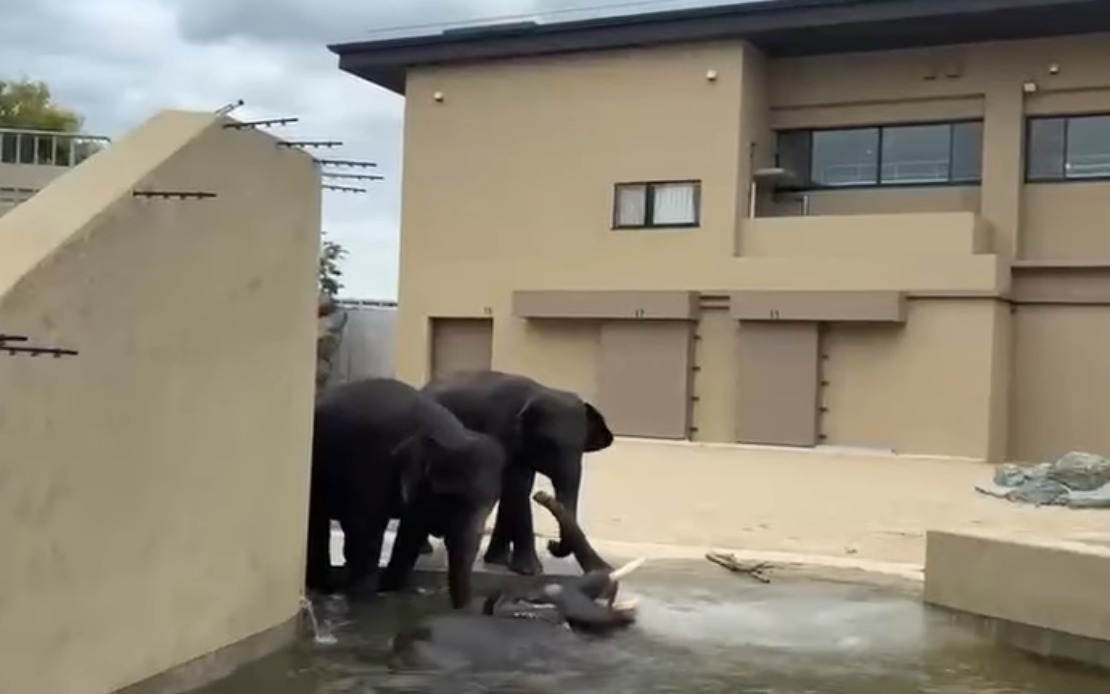
Three female elephants from Malaysia—Dara, Amoi and Kelat—continue to flourish at Tennoji Zoo in Osaka, Japan, according to the latest welfare assessment from the Taiping Municipal Council (MPT). The animals, collectively known as DAK, have demonstrated marked physical improvement since their relocation under an international animal care programme, with each elephant registering encouraging weight gains that underscore their positive adaptation to their new environment.
The most substantial progress has been recorded by Kelat, who has gained 260 kilogrammes since arriving at the Japanese facility. Her companions have also shown steady development, with Dara recording a 35-kilogramme increase and Amoi gaining 30 kilogrammes. These metrics, whilst measured against their previous baseline weights, serve as a measurable indicator of the nutritional adequacy and overall welfare standards maintained at the zoo. Mohamed Akmal Dahalan, president of MPT, released these findings to address ongoing public interest in the elephants' wellbeing and to provide transparency regarding their care standards.
The foundation of the elephants' health regimen centres on a meticulously prepared nutritional programme developed specifically for their species requirements. The daily diet framework emphasises various types of hay as the primary fibre source, supplemented with fresh vegetation including bamboo shoots, grass and cabbage. Additionally, the animals receive specially formulated elephant pellets designed to meet their complete micronutrient and macronutrient needs. This comprehensive approach to feeding reflects best practices in elephant husbandry, with all dietary decisions made in consultation with veterinary professionals stationed at the facility who maintain continuous oversight of nutritional adequacy.
The welfare oversight structure extends beyond the zoo's internal operations, as MPT has established formal coordination mechanisms with the Department of Wildlife and National Parks (Perhilitan) Peninsular Malaysia to ensure consistent monitoring of the elephants' health and management standards. This collaborative framework provides an additional layer of accountability and ensures that care protocols align with Malaysia's wildlife conservation standards. The partnership demonstrates how international animal placements can be structured with robust domestic oversight mechanisms that protect national interests whilst facilitating legitimate conservation and educational cooperation.
The three elephants are housed at Tennoji Zoo pursuant to a formal international cooperation agreement initially signed on May 19, 2022, with supplementary documentation executed on October 6, 2022. This 25-year bilateral arrangement between Tennoji Zoo and Zoo Taiping & Night Safari represents a significant commitment to sustained animal welfare and collaborative management. Such extended agreements provide the stable framework necessary for long-term animal adaptation and comprehensive research on elephant behaviour and health management across different geographical and climatic contexts.
For Malaysia and the Southeast Asian region, this arrangement carries broader implications for wildlife diplomacy and conservation cooperation. The elephants serve as ambassadors for Malaysian biodiversity on the international stage, facilitating educational outreach and research partnerships that might not otherwise materialise. Tennoji Zoo's substantial investment in appropriate care infrastructure demonstrates how international institutions can meaningfully contribute to animal welfare whilst maintaining the conservation goals that motivate such programmes. This model potentially opens pathways for expanded cooperation between Malaysian wildlife authorities and leading zoological institutions globally.
MPT has emphasised its commitment to continuous transparency regarding the arrangement, indicating readiness to cooperate with relevant authorities undertaking any formal reviews or investigations. This proactive stance reflects an understanding that international animal placements remain subjects of legitimate public scrutiny, particularly in an era heightened awareness of animal welfare standards. By maintaining open communication channels and providing documented evidence of care quality, Malaysian authorities position the country as a responsible partner in international wildlife cooperation. The council's acknowledgment of public concern—coupled with its insistence that criticism be grounded in verified information rather than speculation—represents a balanced approach to stakeholder engagement.
The broader significance of this arrangement extends to how Malaysia manages its wildlife resources and international relationships. As Southeast Asia's largest exporter of expertise and species to major zoological institutions, establishing precedents for transparent, well-monitored international placements strengthens the region's standing in global conservation networks. Tennoji Zoo's demonstrated capacity to provide appropriate care for Malaysian elephants may encourage future collaborations with other Malaysian institutions, potentially generating revenue streams that fund domestic conservation initiatives while advancing international scientific understanding of these critically important megafauna.
Public discourse surrounding the elephants must navigate between legitimate animal welfare concerns and evidence-based assessment of care standards. MPT's clarification that allegations should derive from professional assessments rather than unverified claims reflects recognition that misinformation can undermine both the specific programme and broader conservation efforts. In an age of rapid social media circulation, distinguishing between substantive welfare concerns and emotional advocacy remains challenging. Malaysian wildlife authorities appear to be attempting this calibration by providing concrete data—weight gains, dietary composition, veterinary oversight—that permit informed evaluation rather than speculation.
The success of the DAK elephants at Tennoji Zoo ultimately depends on sustained commitment from both institutions and continued vigilance from Malaysian oversight authorities. The weight gains and reported health improvements represent encouraging early indicators, yet the true test of long-term welfare will emerge over years of residence. This extended timeline makes the formal agreement's 25-year duration particularly significant, as it establishes continuity beyond individual administrative tenures and ensures that welfare standards remain non-negotiable even as institutional leadership changes. For Malaysian readers and policymakers monitoring this arrangement, the metrics provided offer reassurance whilst the formal oversight structures provide a framework for accountability.

